
Now Reading: Best place to visit in Sirte
-
01
Best place to visit in Sirte
Best place to visit in Sirte

Introduction
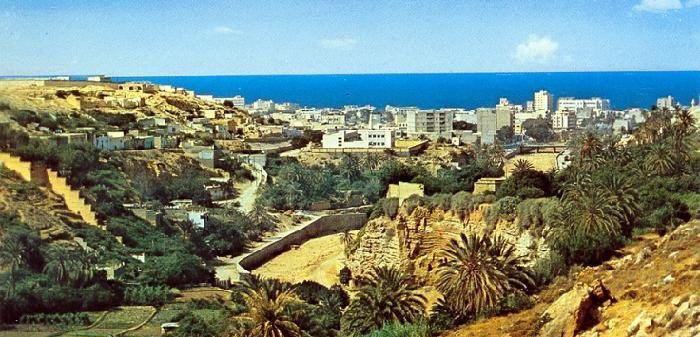
Sirte is one of Libya’s most strategically important cities, located along the Mediterranean coast at the center of the country. Positioned on the shores of the Gulf of Sidra, Sirte serves as a natural link between eastern and western Libya and has historically functioned as a crossroads for trade, transportation, and cultural exchange. Its unique geographic location has made it a city of considerable political, economic, and historical significance.
Surrounded by coastal plains, desert landscapes, and important transportation corridors, Sirte occupies a central position in Libya’s national infrastructure. The city has experienced periods of rapid growth and modernization while preserving connections to its historical roots and cultural traditions.
Today, Sirte remains a key urban center and continues to play an important role in Libya’s development, connecting regions, industries, and communities across the country.
History of Sirte
The history of Sirte stretches back many centuries, although the modern city developed primarily during the twentieth century. Historically, the region served as an important stop along trade routes connecting North Africa’s coastal settlements with interior desert communities.
The strategic location along the Mediterranean coast allowed merchants, travelers, and nomadic groups to pass through the area while transporting goods and exchanging cultural influences. During various periods of Libyan history, the region was influenced by Phoenician, Roman, Arab, Ottoman, and modern Libyan developments.
In the twentieth century, Sirte grew significantly due to investments in infrastructure, government institutions, and transportation networks. The city became increasingly important as Libya expanded its petroleum industry and improved national connectivity.
Today, Sirte stands as one of Libya’s most recognized cities and continues to influence the country’s political, economic, and social landscape.
1. Gulf of Sidra Coastline

The Natural Setting of Sirte
The Gulf of Sidra forms one of the most prominent geographical features of Libya’s Mediterranean coastline.
The waters surrounding Sirte have supported fishing, maritime trade, and transportation for centuries. The coastline offers scenic views, sandy beaches, and opportunities to experience the natural beauty of the Mediterranean Sea.
Historically, the gulf has played an important role in commerce and regional connectivity, linking coastal communities across North Africa.
Visitors can enjoy expansive sea views while appreciating the strategic importance of this remarkable body of water.
2. Sirte Waterfront

Where City Life Meets the Sea
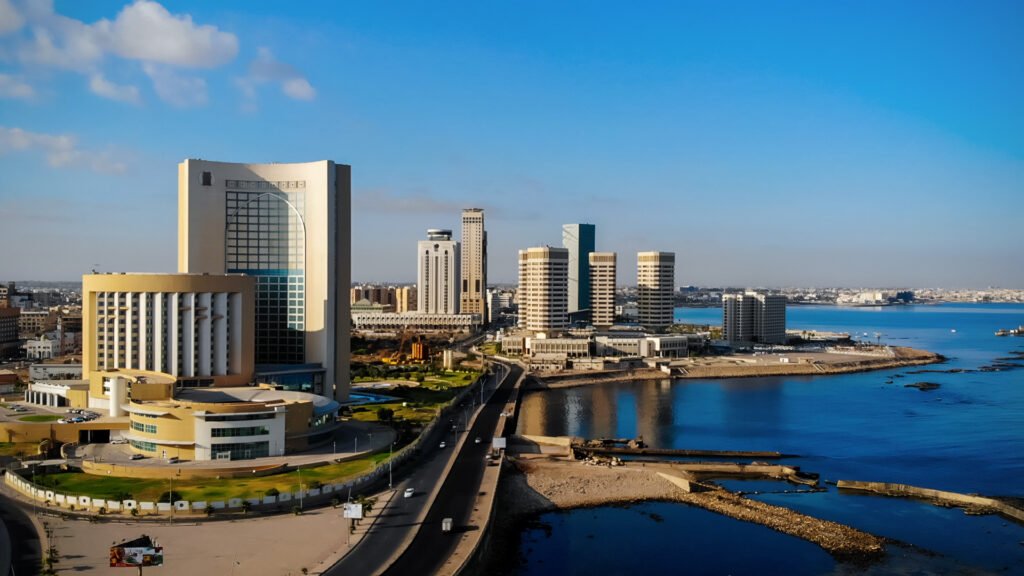
The waterfront areas of Sirte provide residents and visitors with access to the Mediterranean coastline and serve as important recreational spaces.
Families gather along the shore to enjoy the sea breeze, while local fishermen continue traditions that have been practiced for generations. The waterfront offers beautiful views of the gulf and remains a central part of daily life in the city.
Visitors can experience the relaxed atmosphere of coastal Libya while observing the close relationship between the community and the sea.
The waterfront contributes significantly to Sirte’s identity and character.
3. Sirte Conference Center

A Landmark of Modern Development
The Sirte Conference Center became internationally recognized as a venue for regional meetings, diplomatic events, and political gatherings.
Designed to accommodate major conferences and international delegations, the complex reflects the city’s role in national and regional affairs.
The center symbolizes Libya’s efforts to strengthen cooperation and engagement with neighboring countries and international organizations.
Visitors interested in modern architecture and political history often regard it as one of Sirte’s notable landmarks.
4. Traditional Markets of Sirte

The Heart of Community Life
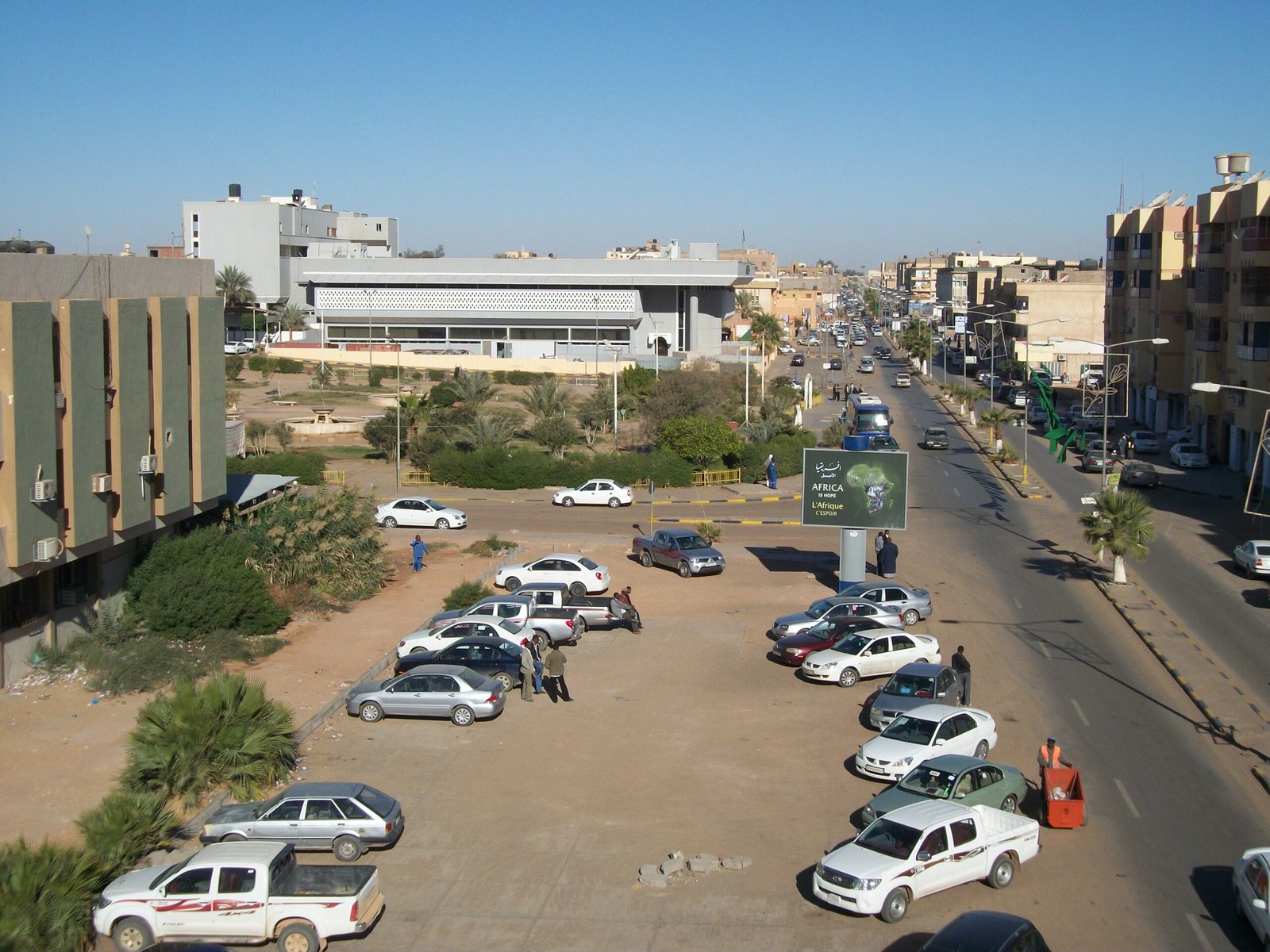
The traditional markets of Sirte continue to serve as important centers of commerce and social interaction.
Vendors offer fresh produce, spices, clothing, household goods, and locally produced products while maintaining commercial traditions that date back generations. Markets provide opportunities for residents to connect, exchange information, and support local businesses.
Visitors can experience authentic Libyan culture while exploring the bustling atmosphere of these commercial districts.
The markets remain vital to the city’s economic and social fabric.
5. Desert Landscapes Around Sirte

The Meeting Point of Sea and Desert
One of Sirte’s most distinctive features is its location between the Mediterranean Sea and the vast Sahara Desert.
The surrounding landscapes include coastal plains, sandy terrain, and open desert environments that have shaped local culture and economic activity for centuries. Travelers moving between northern and southern Libya often pass through the region.
Visitors can appreciate the dramatic contrast between marine and desert ecosystems.
The natural environment highlights Libya’s geographical diversity.
6. Fishing Heritage of Sirte

Centuries of Maritime Tradition
Fishing has long been an important economic activity in Sirte. Local fishermen continue to harvest seafood from the Mediterranean using knowledge and techniques passed down through generations.
The fishing industry supports livelihoods while preserving cultural traditions closely tied to the sea. Markets throughout the city offer fresh seafood that reflects the abundance of local waters.
Visitors can learn about maritime life while observing one of the region’s oldest professions.
The fishing heritage remains a significant aspect of Sirte’s identity.
7. Sirte University

Education and Future Development
University of Sirte serves as an important educational institution supporting academic achievement and professional development.
The university offers programs in engineering, science, medicine, agriculture, and the humanities, attracting students from across Libya. Research initiatives contribute to economic and social progress while preparing future leaders.
The institution reflects the city’s commitment to education and modernization.
Its presence plays a key role in shaping the future of the region.
8. Petroleum Industry Connections

Economic Importance of the Sirte Basin
The Sirte Basin is one of Africa’s most significant petroleum-producing regions and has contributed greatly to Libya’s economic development.
The city benefits from its proximity to major oil fields, pipelines, and energy infrastructure. Petroleum production has supported employment, investment, and modernization throughout the region.
Visitors interested in economic geography can learn about the role of natural resources in shaping Libya’s economy.
The energy sector remains closely linked to the city’s development.
9. Cultural Heritage and Community Traditions

Preserving Identity Across Generations
Sirte’s cultural life reflects a blend of Arab traditions, desert heritage, and Mediterranean influences.
Music, storytelling, hospitality, traditional cuisine, and community celebrations continue to play important roles in daily life. Families and local organizations work to preserve customs and values that have been passed down through generations.
Visitors can gain valuable insight into Libyan culture while interacting with local communities.
The city’s traditions remain central to its identity.
10. Modern Sirte

Rebuilding and Looking Toward the Future
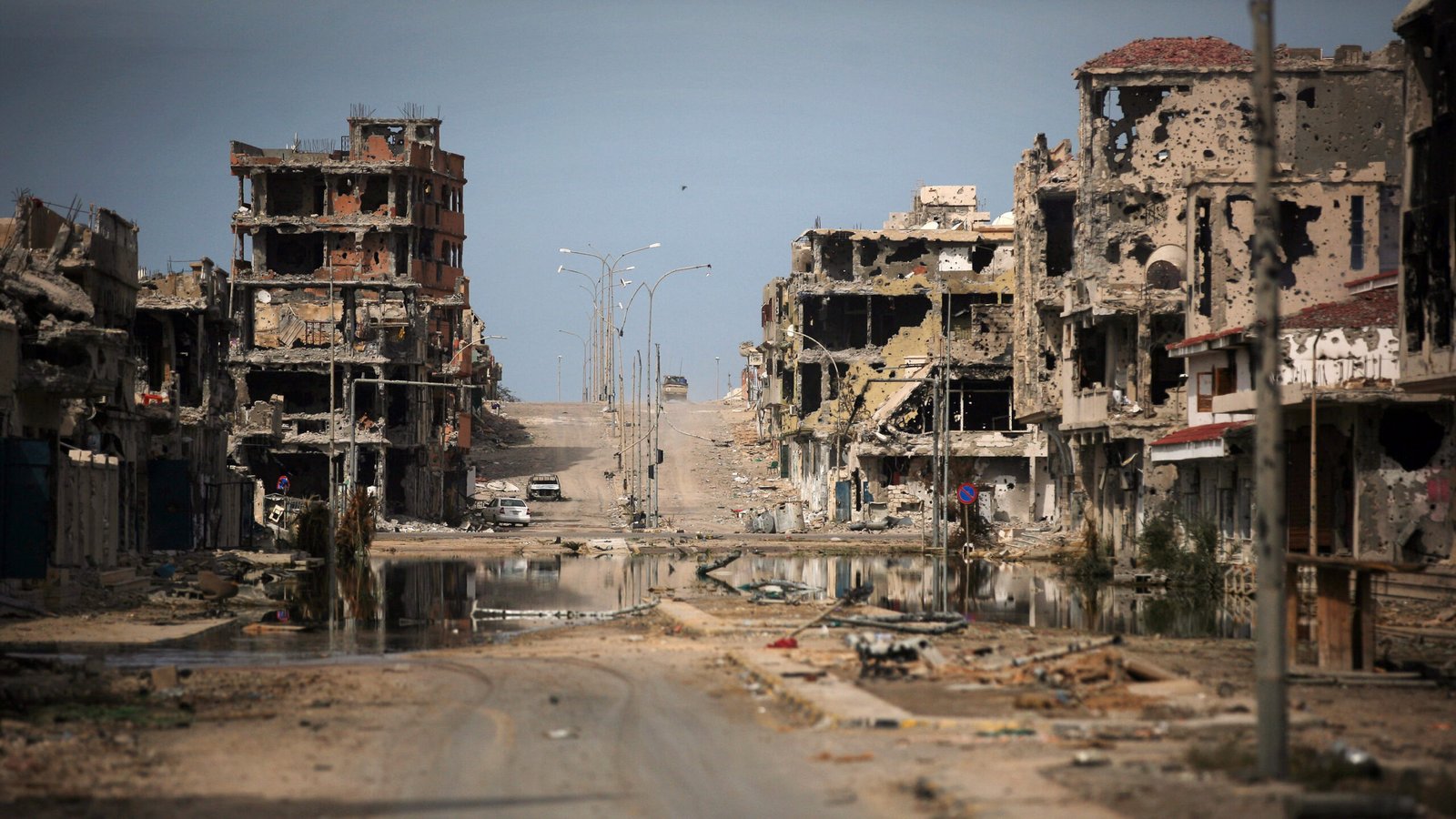
Modern Sirte continues to develop through investments in infrastructure, transportation, healthcare, education, and public services. Reconstruction and development initiatives aim to improve quality of life while supporting economic growth and regional stability.
The city’s central location ensures its continued importance within Libya’s transportation and commercial networks. New projects seek to strengthen connectivity and create opportunities for future generations.
Despite challenges, Sirte remains resilient and committed to progress.
Its future reflects the determination of its people and the strategic importance of its location.
Related artical : Best place to visit inSabha