
Now Reading: Best place to visit in Derna
-
01
Best place to visit in Derna
Best place to visit in Derna

Introduction
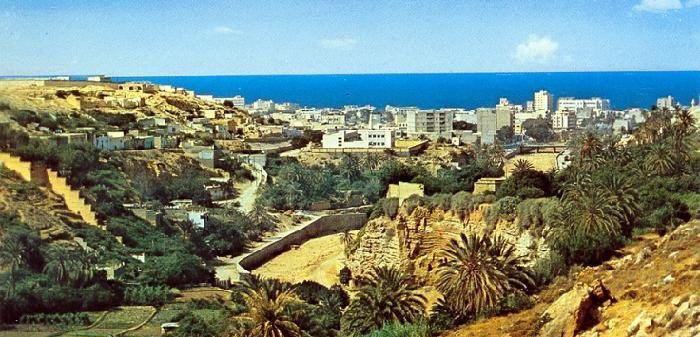
Derna is one of the most picturesque and historically rich cities in eastern Libya. Located along the Mediterranean coast between the Green Mountains and the sea, Derna is famous for its stunning natural beauty, fertile valleys, palm groves, waterfalls, and centuries-old cultural heritage. Unlike many Libyan cities surrounded by arid landscapes, Derna enjoys a unique environment where mountains, rivers, and the Mediterranean coastline come together to create one of North Africa’s most beautiful urban settings.
For centuries, Derna has served as an important center of trade, learning, agriculture, and maritime activity. The city’s strategic location along Mediterranean trade routes brought influences from Greek, Roman, Arab, Ottoman, and Italian civilizations, all of which contributed to its rich cultural identity.
Today, Derna remains a symbol of resilience, history, and natural beauty, attracting visitors interested in exploring one of Libya’s most distinctive destinations.
History of Derna
The history of Derna extends back thousands of years. Ancient settlements existed in the area during Greek and Roman times, benefiting from the fertile lands and access to the Mediterranean Sea. Throughout antiquity, the region formed part of the historic territory of Cyrenaica, one of North Africa’s most important cultural and economic centers.
Following the Arab conquest in the seventh century, Derna became integrated into the Islamic world and developed into an important center of trade and religious scholarship. During the Ottoman period, the city expanded further, gaining prominence as a regional administrative and commercial center.
Throughout the nineteenth and twentieth centuries, Derna played important roles in regional politics, trade, and resistance movements. Its strategic coastal location ensured continued economic significance while fostering a vibrant cultural environment.
Today, Derna preserves many aspects of its historical identity while continuing to serve as an important city in eastern Libya.
1. Wadi Derna
The Lifeline of the City
Wadi Derna is one of the most remarkable natural features in Libya. Flowing from the nearby Green Mountains toward the Mediterranean Sea, the valley has supported agriculture, settlements, and economic activity for centuries.
The fertile lands surrounding the wadi produce fruits, vegetables, and other crops that contribute to local livelihoods. Palm groves and greenery create a landscape rarely seen elsewhere in Libya.
Visitors are often surprised by the lush environment and scenic beauty of the valley.
Wadi Derna remains central to the city’s identity and development.
2. Derna Old City

Walking Through Centuries of History
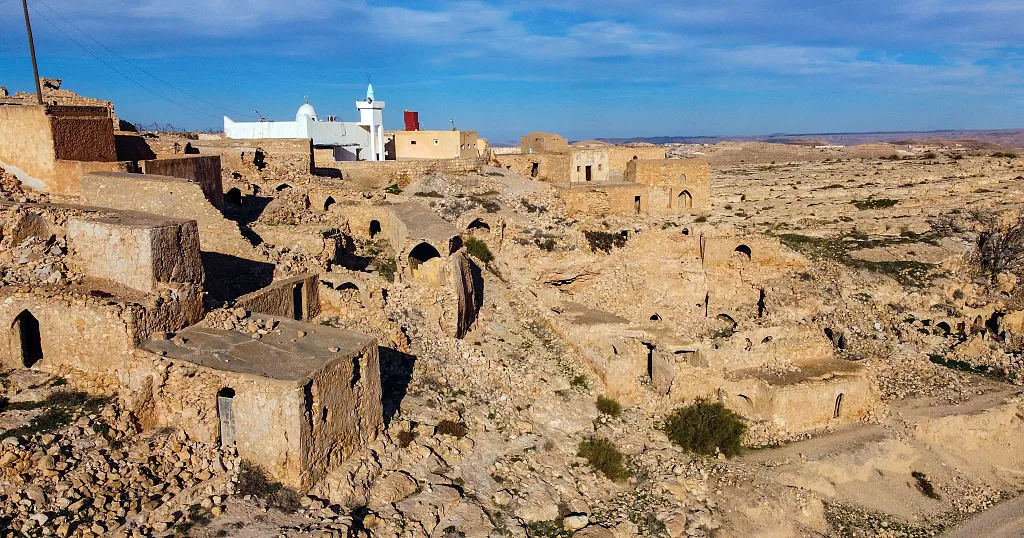
The historic districts of Derna preserve traditional architecture, narrow streets, and cultural landmarks that reflect the city’s long history.
Ottoman, Arab, and Mediterranean influences can be seen throughout the old neighborhoods. Traditional homes, courtyards, and community spaces provide insight into how generations of residents adapted to the coastal and mountain environment.
Visitors exploring the old city discover a unique blend of historical character and local culture.
The district remains one of Derna’s most treasured heritage areas.
3. Mediterranean Waterfront

Where Mountains Meet the Sea
The Mediterranean coastline of Derna is among the most scenic in Libya.
Beautiful beaches, rocky cliffs, and panoramic sea views create a stunning natural environment. For centuries, the waterfront supported fishing, trade, and transportation while connecting Derna with other Mediterranean ports.
Today, residents and visitors gather along the coast to enjoy the sea breeze and admire the spectacular scenery.
The waterfront remains one of the city’s most popular destinations.
4. Derna Waterfalls
Rare Natural Wonders of Libya
Derna is famous for having some of Libya’s few naturally occurring waterfalls.
Fed by seasonal rainfall and mountain runoff, these waterfalls contribute to the city’s reputation as one of the greenest locations in the country. The flowing water creates refreshing landscapes that contrast sharply with Libya’s more arid regions.
Visitors often explore these sites while hiking through the surrounding valleys and natural areas.
The waterfalls are among Derna’s most distinctive attractions.
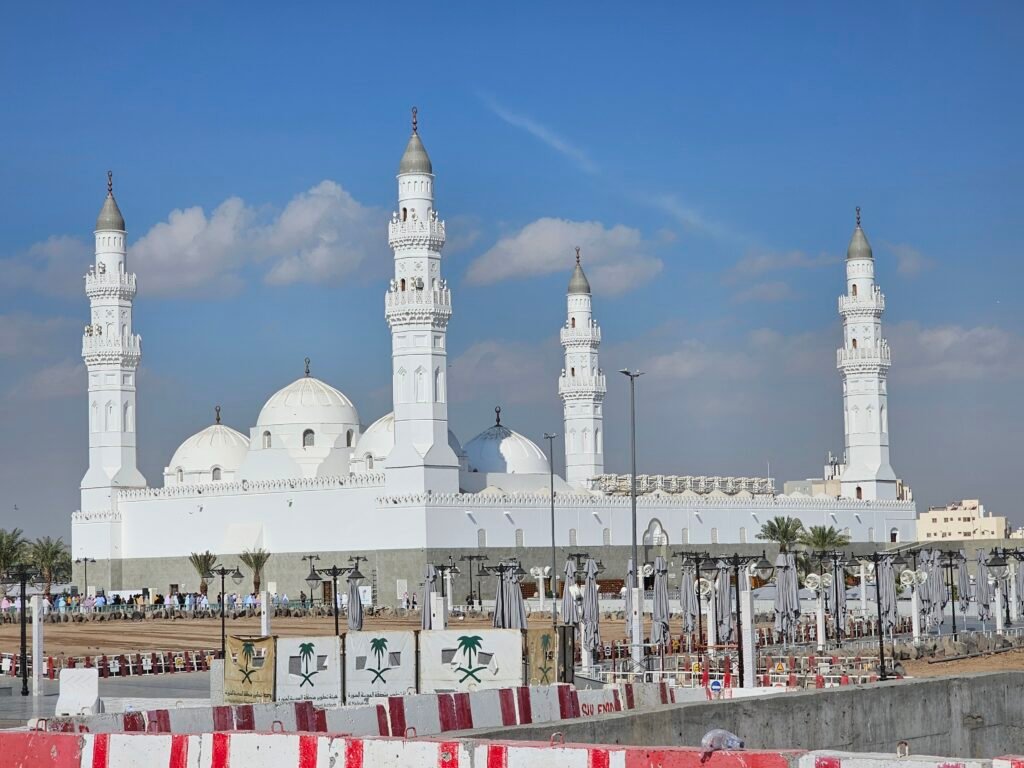
5. Al Sahaba Mosque

A Symbol of Faith and Architecture
Al Sahaba Mosque is one of the city’s most recognizable landmarks.
The mosque’s elegant architecture and prominent location make it an important religious and cultural symbol. It serves as a place of worship, community gathering, and spiritual reflection.
Visitors admire the mosque for both its beauty and significance within local society.
It remains one of Derna’s most photographed landmarks.
6. Green Mountains Region
Gateway to Libya’s Greenest Landscapes
Derna is closely connected to the Jabal al Akhdar, or Green Mountains region.
The mountains receive more rainfall than most parts of Libya, supporting forests, agricultural lands, and diverse ecosystems. Scenic roads and viewpoints provide breathtaking panoramas of both mountains and sea.
Visitors often use Derna as a starting point for exploring the natural beauty of eastern Libya.
The surrounding landscapes contribute greatly to the city’s charm.
7. Traditional Markets of Derna
The Center of Community Life
The traditional markets of Derna have long served as hubs of commerce and social interaction.
Merchants sell fresh produce, spices, clothing, handicrafts, and household goods while maintaining trading traditions passed down through generations. The markets reflect the city’s role as a regional commercial center.
Visitors can experience local culture while exploring the lively atmosphere of these historic commercial districts.
The markets remain an important part of daily life.
8. Fishing Heritage of Derna

A Long Maritime Tradition
Fishing has been central to Derna’s economy for centuries.
Local fishermen continue to work along the Mediterranean coast, supplying seafood to markets and restaurants throughout the region. Traditional fishing methods coexist with modern practices, preserving cultural connections to the sea.
Visitors can observe fishing boats returning to harbor and learn about one of the city’s oldest professions.
The maritime heritage remains deeply woven into Derna’s identity.
9. Cultural and Educational Heritage

A Center of Knowledge and Tradition
Throughout history, Derna has been known for religious scholarship, education, and cultural activity.
Schools, libraries, and community institutions have helped preserve knowledge and encourage intellectual development. Poetry, storytelling, music, and traditional arts continue to play important roles in local culture.
Visitors interested in heritage and education can appreciate the city’s contributions to regional intellectual life.
The cultural legacy of Derna remains strong today.
10. Modern Derna

Rebuilding and Looking Ahead
Modern Derna continues to develop through investments in infrastructure, education, healthcare, and public services. Community initiatives and development projects aim to strengthen resilience while preserving the city’s unique historical and natural character.
The city’s strategic coastal location, agricultural resources, and cultural heritage provide opportunities for future growth. Residents remain committed to rebuilding and improving their community while honoring its rich history.
Derna’s future reflects both determination and optimism.
Its story continues to inspire people across Libya and beyond.
Related artical : Best place to visit in Sirte