
Now Reading: Best place to visit in Timbuktu
-
01
Best place to visit in Timbuktu
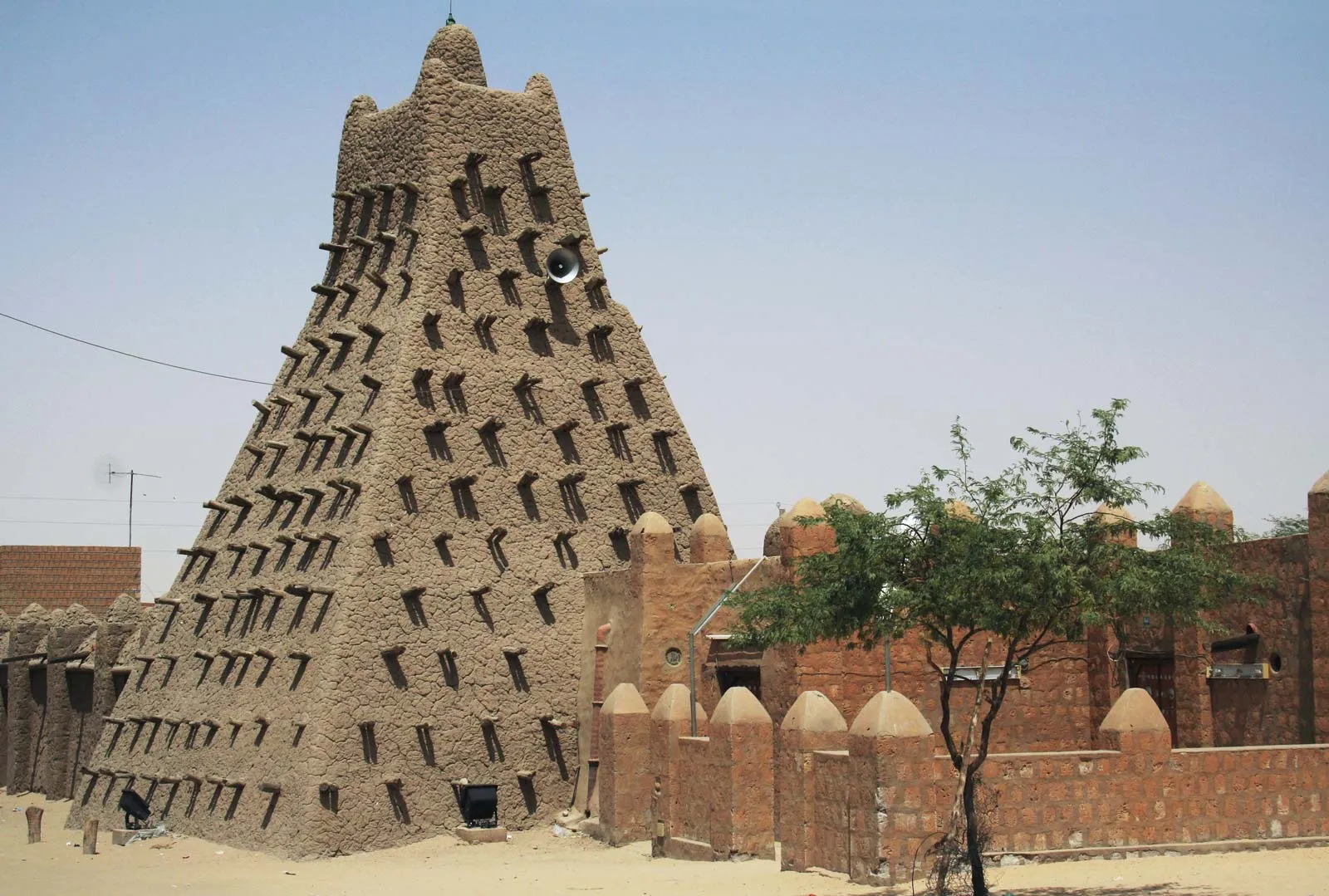
Best place to visit in Timbuktu
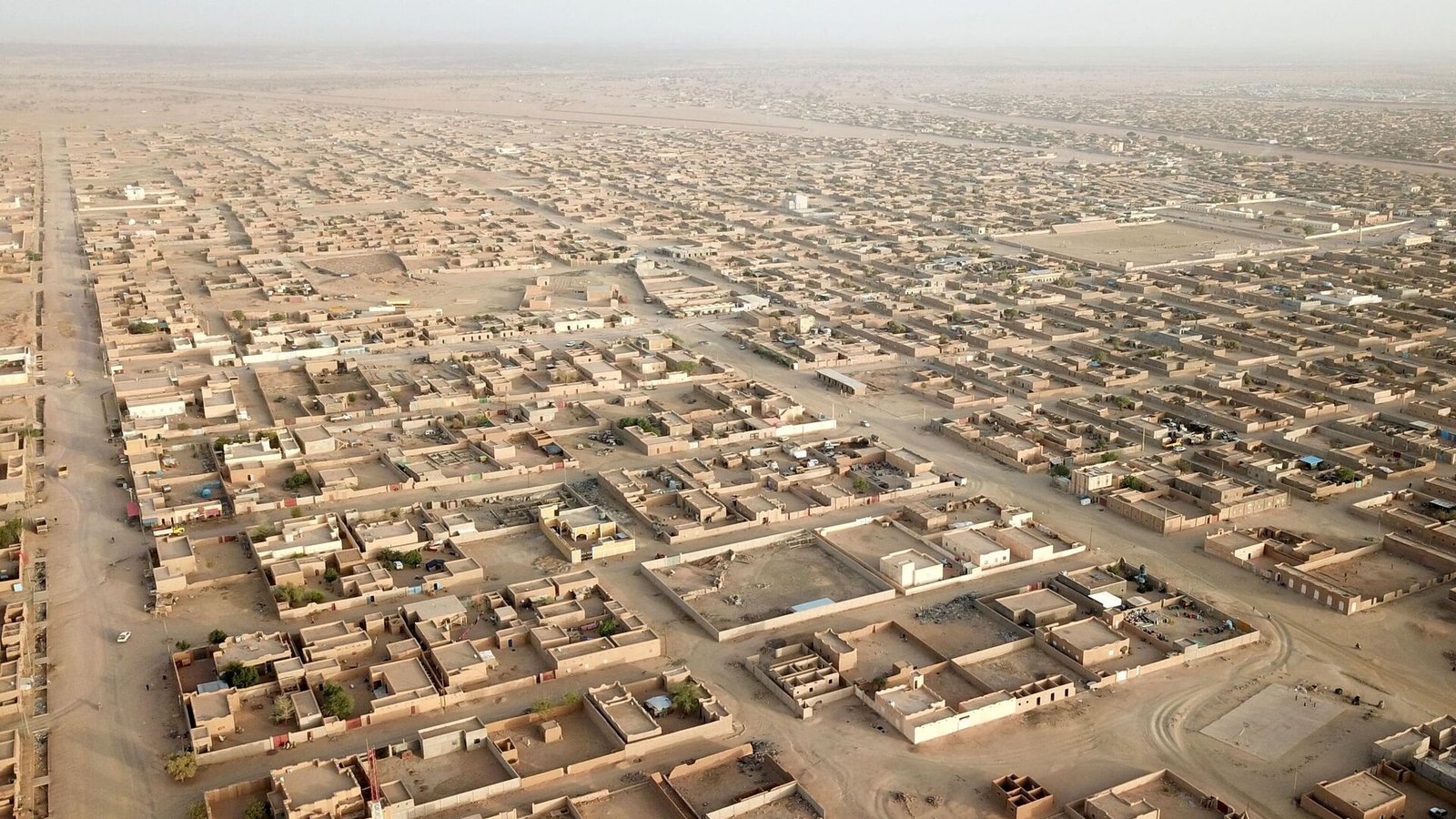
Timbuktu is one of the world’s most legendary cities and one of Africa’s greatest historical treasures. Located on the southern edge of the Sahara Desert in northern Mali, Timbuktu became a renowned center of trade, Islamic scholarship, and culture during the 15th and 16th centuries. Merchants from across Africa and the Middle East traveled to the city carrying gold, salt, ivory, and manuscripts, making it one of the wealthiest and most influential cities of its time. Today, Timbuktu is celebrated for its UNESCO World Heritage monuments, ancient mosques, historic libraries, and unique desert landscapes. Visitors are drawn to its extraordinary history, traditional mud-brick architecture, and enduring cultural legacy.
Below are the top tourist attractions to visit in Timbuktu.
1. Djinguereber Mosque

The Djinguereber Mosque is Timbuktu’s most famous landmark and one of the finest examples of Sudano-Sahelian architecture in Africa. Constructed in 1327 during the reign of Emperor Mansa Musa, the mosque was designed by the renowned Andalusian architect Abu Ishaq al-Sahili. Built primarily from mud bricks and reinforced with wooden beams, it has remained an active place of worship for centuries.
Recognized as part of the UNESCO World Heritage Site of Timbuktu, the mosque symbolizes the city’s golden age as a center of Islamic learning and commerce. Visitors admire its impressive architecture and learn about its role in shaping religious education throughout West Africa.
Discover a UNESCO World Heritage Monument
The Djinguereber Mosque offers visitors an opportunity to explore one of Africa’s most significant historical and religious landmarks while appreciating centuries of architectural tradition.
2. Sankore Madrasah

Sankore Madrasah was once one of the world’s greatest centers of higher education and Islamic scholarship. During Timbuktu’s golden age, thousands of students from across Africa and the Middle East traveled here to study theology, astronomy, mathematics, medicine, law, and literature.
Today, the historic complex remains a powerful symbol of Africa’s intellectual heritage and highlights Timbuktu’s importance as a global center of learning during the medieval period.
Explore Africa’s Historic Center of Learning
Visitors can discover the remarkable legacy of one of the world’s oldest universities while learning about the scholars who shaped Islamic education across West Africa.
3. Sidi Yahya Mosque

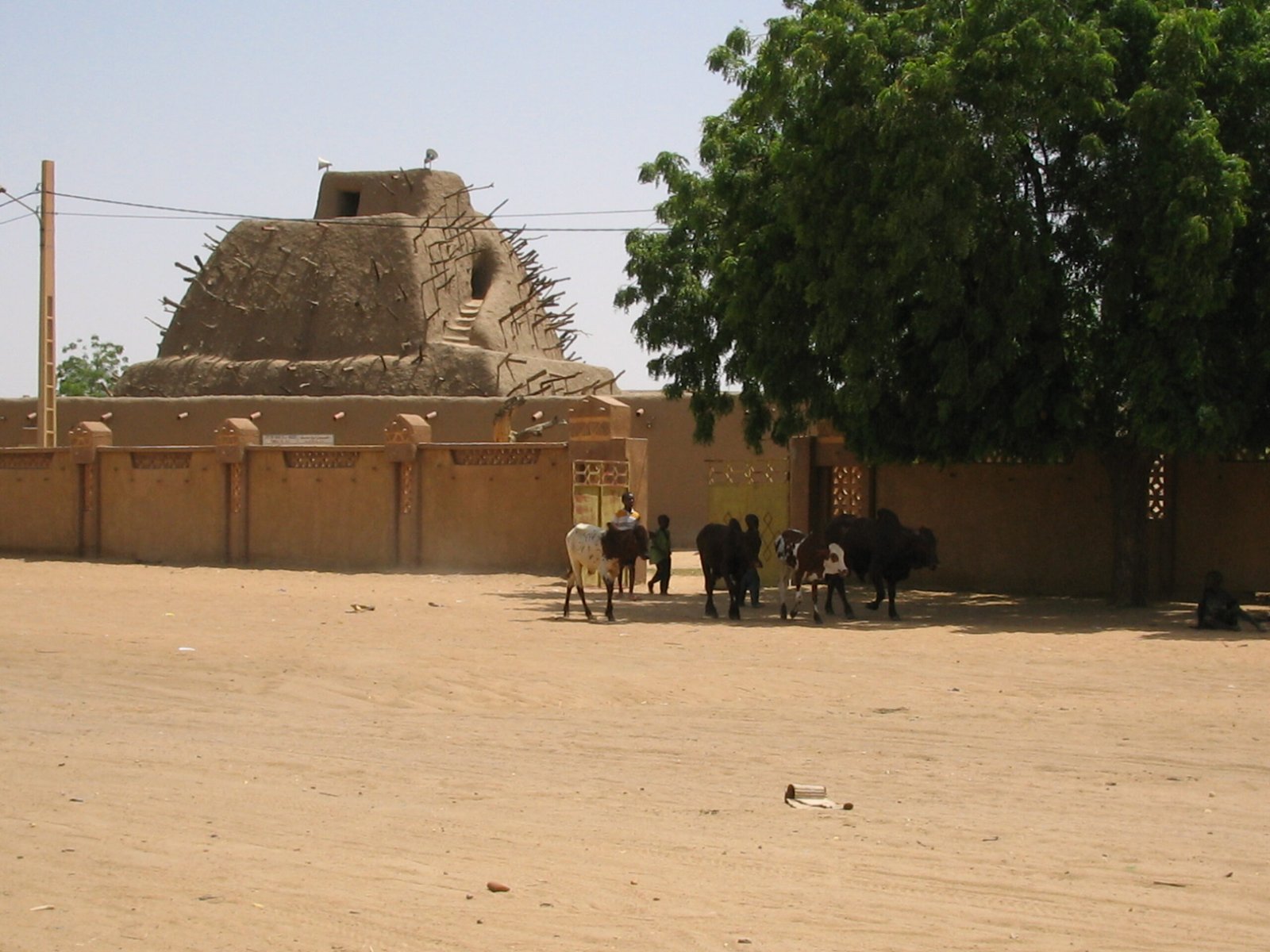
The Sidi Yahya Mosque is another UNESCO-listed landmark and one of Timbuktu’s three historic mosques. Built in the fifteenth century, the mosque is famous for its traditional mud-brick construction, distinctive wooden beams, and rich religious history.
For centuries, the mosque has served as both a place of worship and an important center for Islamic education.
Admire Traditional Sahelian Architecture
Visitors can appreciate the mosque’s remarkable craftsmanship while learning about its cultural and spiritual significance.
4. Ahmed Baba Institute
The Ahmed Baba Institute preserves one of the world’s most valuable collections of ancient Islamic manuscripts. Thousands of handwritten documents covering science, astronomy, mathematics, medicine, history, philosophy, and religion demonstrate Timbuktu’s remarkable scholarly achievements.
Visitors can learn about manuscript preservation and discover the city’s extraordinary contribution to global knowledge.
Discover Ancient Manuscripts
The institute offers a fascinating insight into Timbuktu’s intellectual history and its centuries-old tradition of scholarship.
5. Ancient Manuscript Libraries

Timbuktu is home to several private manuscript libraries that preserve thousands of priceless historical documents passed down through generations. These collections contain rare texts on religion, astronomy, law, mathematics, medicine, poetry, and philosophy.
Experience a Literary Treasure
Visitors can explore one of Africa’s greatest intellectual legacies while learning about the preservation of these extraordinary historical documents.
6. House of Explorer René Caillié

The House of René Caillié commemorates the French explorer who became one of the first Europeans to return safely from Timbuktu and document the city’s history during the nineteenth century.
Learn About Early Exploration
Visitors can discover fascinating stories about early exploration and European encounters with one of Africa’s most mysterious cities.
7. Timbuktu Market

The traditional market remains the commercial heart of Timbuktu, where merchants sell handcrafted leather goods, silver jewelry, textiles, spices, pottery, and traditional Saharan products.
Shop Traditional Saharan Crafts
Visitors can browse authentic handmade products while experiencing the lively atmosphere of one of Africa’s legendary trading cities.
8. Sahara Desert Sand Dunes

The Sahara Desert surrounds Timbuktu with endless golden sand dunes, offering breathtaking scenery and unforgettable adventure opportunities.
Explore the Sahara
Visitors can enjoy camel trekking, desert camping, spectacular sunsets, stargazing, and photography while experiencing one of the world’s most iconic landscapes.
9. Tuareg Cultural Experience

Timbuktu provides an opportunity to experience the traditions of the Tuareg people, renowned for their nomadic lifestyle, distinctive blue clothing, hospitality, music, and desert culture.
Experience Nomadic Heritage
Visitors can learn about traditional customs, desert survival techniques, handicrafts, and the cultural heritage of one of the Sahara’s most iconic communities.
10. Timbuktu Old Town

The Old Town of Timbuktu is a living historical treasure featuring narrow streets, traditional mud-brick houses, ancient courtyards, and centuries-old neighborhoods that preserve the city’s unique architectural character. Walking through the old quarter allows visitors to experience the atmosphere of one of Africa’s most legendary cities while appreciating its remarkable cultural and historical significance.
Walk Through a Legendary City
Visitors can explore historic streets, admire traditional Sahelian architecture, photograph iconic landmarks, and immerse themselves in the timeless charm of Timbuktu, a city whose name has become synonymous with history, exploration, and adventure.
Related artical : Best place to visit in Gao