Now Reading: Best place to visit in Kidal
-
01
Best place to visit in Kidal
Best place to visit in Kidal
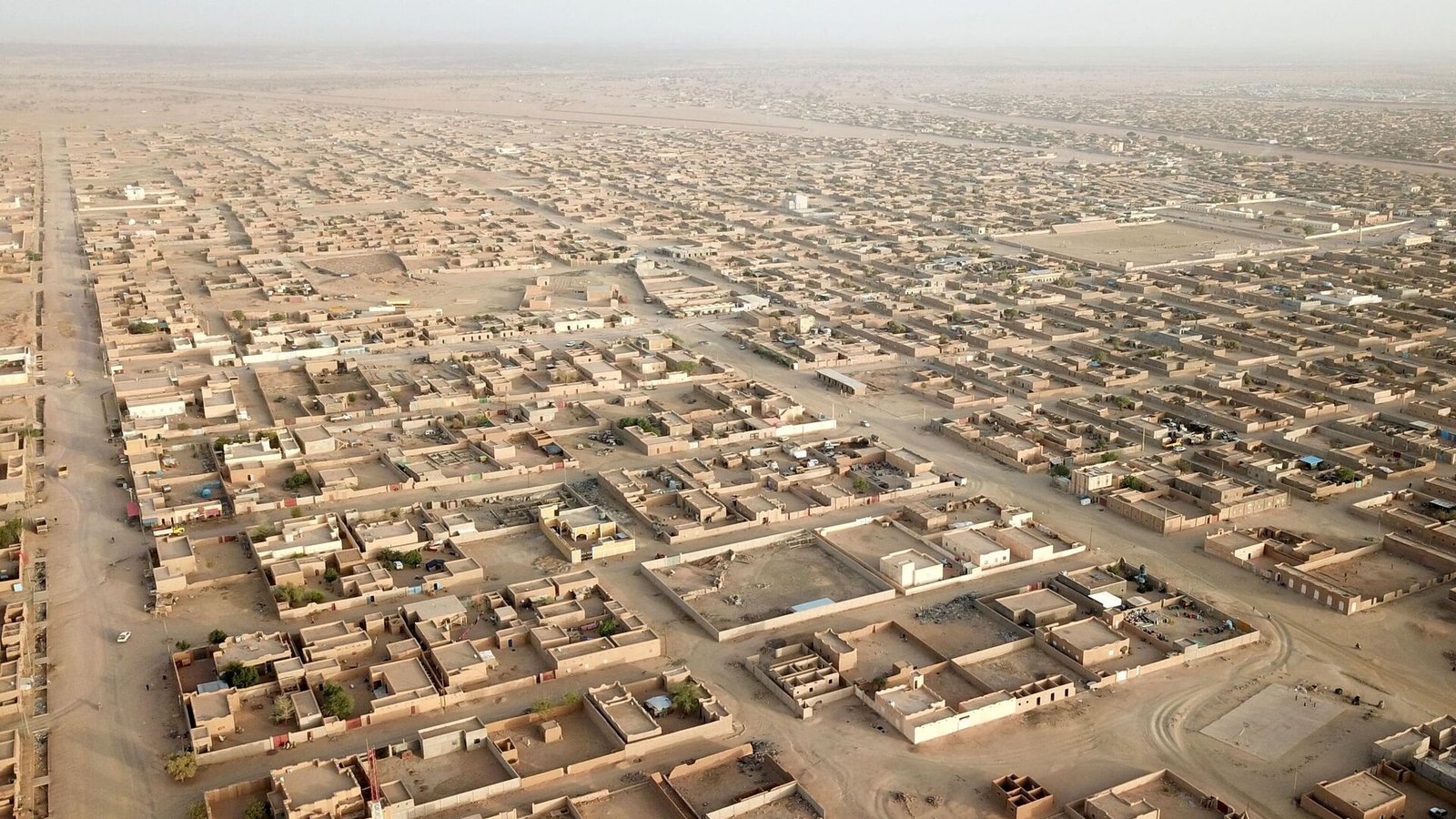
Kidal is a remote desert city in northeastern Mali, located deep within the Sahara Desert near the Algerian border. It is the administrative center of the Kidal Region and is renowned for its dramatic desert landscapes, ancient caravan routes, rich Tuareg heritage, and unique nomadic traditions. For centuries, Kidal has been an important stop along trans-Saharan trade routes, connecting North Africa with West Africa. Although the city and surrounding region have experienced security challenges and access may be restricted, Kidal remains culturally significant and is known for its vast sand dunes, rocky mountains, prehistoric rock art, and vibrant Tuareg culture.
Below are the top tourist attractions and cultural highlights associated with Kidal.
Travel advisory: Security conditions in and around Kidal can change rapidly. Before planning travel, consult official government travel advisories and local authorities for the latest safety information.
1. Adrar des Ifoghas

The Adrar des Ifoghas mountain range is the most famous natural attraction in the Kidal Region. This vast expanse of granite mountains, rocky plateaus, deep valleys, and dramatic desert scenery stretches across northeastern Mali and forms one of the Sahara Desert’s most spectacular landscapes. The region has long served as the homeland of the Tuareg people and contains numerous archaeological and historical sites.
Visitors interested in geology, photography, and desert exploration are drawn to the striking rock formations, panoramic viewpoints, and peaceful wilderness. The mountains also preserve prehistoric rock engravings that provide valuable insight into the lives of ancient civilizations that once inhabited the Sahara.
Explore the Sahara’s Mountain Landscapes
The Adrar des Ifoghas offers breathtaking scenery with towering rock formations, hidden valleys, and unforgettable desert vistas that showcase the raw beauty of northern Mali.
2. Essouk
Essouk is one of Mali’s oldest historical settlements and was once a thriving trading center on the trans-Saharan caravan routes. Long before Timbuktu reached prominence, merchants, scholars, and travelers stopped in Essouk while transporting gold, salt, textiles, and other valuable goods across the Sahara.
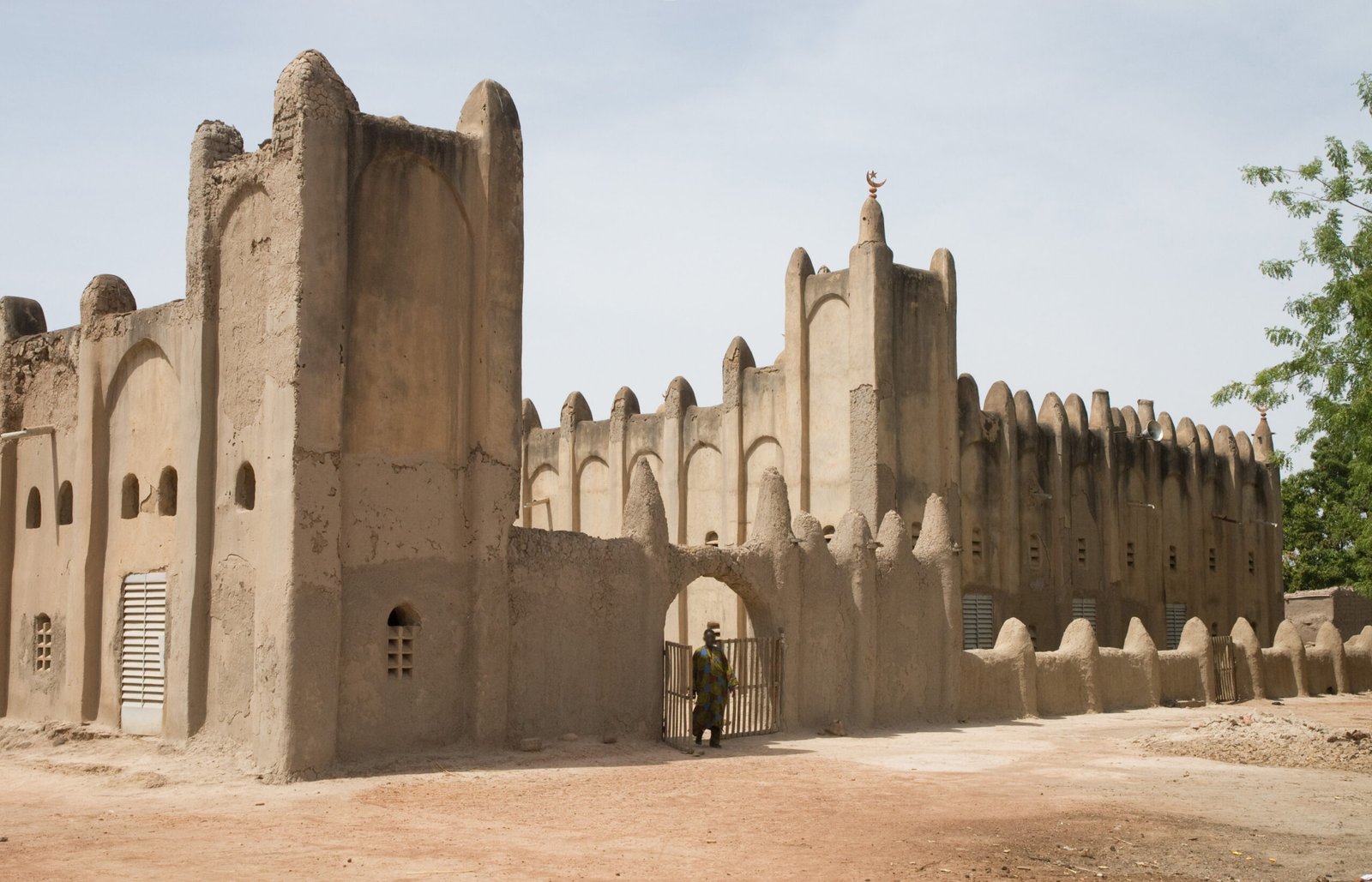
Today, visitors can explore the ruins of ancient stone buildings, historic mosques, and centuries-old cemeteries that reveal the importance of this remarkable desert settlement.
Discover an Ancient Caravan City
Essouk provides a fascinating glimpse into the history of trans-Saharan commerce and the cultural exchanges that shaped West Africa.
3. Prehistoric Rock Art Sites

Scattered throughout the mountains surrounding Kidal are remarkable prehistoric rock art sites that date back thousands of years. These engravings and paintings depict animals, hunting scenes, human figures, and everyday activities from a time when the Sahara was much greener than it is today.
Witness Ancient Human History
The rock art provides valuable archaeological evidence of early civilizations and offers visitors a unique opportunity to connect with the ancient past of the Sahara Desert.
4. Tuareg Cultural Villages

The Kidal region is home to the Tuareg people, one of the Sahara’s most iconic nomadic communities. Traditional villages and seasonal camps showcase centuries-old customs, distinctive indigo clothing, handcrafted silver jewelry, camel herding, and desert hospitality.
Experience Authentic Tuareg Culture
Visitors can learn about traditional music, storytelling, handicrafts, and the nomadic lifestyle that has defined the Sahara for generations.
5. Trans-Saharan Caravan Routes

Historic caravan routes passing through Kidal connected North Africa with West Africa for centuries. Camel caravans transported salt, gold, dates, textiles, and spices across the desert, making the region an important crossroads of commerce and culture.
Follow Historic Trade Routes
Exploring these ancient pathways offers insight into the remarkable endurance and trading traditions that once linked civilizations across the Sahara.
6. Kidal Grand Market

The Grand Market in Kidal serves as the city’s commercial center, where local communities trade food, livestock, leather goods, silver jewelry, textiles, spices, and handcrafted products. The market reflects the region’s cultural diversity and long-standing trading traditions.
Discover Desert Handicrafts
Visitors can browse traditional Tuareg jewelry, leatherwork, woven textiles, and locally crafted souvenirs while experiencing daily life in the Sahara.
7. Sahara Sand Dunes

The vast Sahara surrounding Kidal features magnificent golden sand dunes that stretch across the horizon. These landscapes provide breathtaking views, particularly during sunrise and sunset when the shifting sands glow in shades of gold and orange.
Experience the Endless Desert
The dunes offer spectacular opportunities for photography, camel trekking, and appreciating the immense beauty of the Sahara Desert.
8. Traditional Tuareg Craft Centers

The Kidal region is famous for its skilled Tuareg artisans, who produce intricate silver jewelry, leather goods, swords, decorative saddles, woven textiles, and traditional household items using techniques passed down through generations.
Support Local Artisans
Visitors can admire exceptional craftsmanship and purchase authentic handmade products that reflect the artistic heritage of the Tuareg people.
9. Desert Stargazing Areas

Far from major urban centers, the deserts around Kidal offer exceptionally dark skies, making the region ideal for observing stars, planets, and the Milky Way. The clear desert atmosphere creates remarkable conditions for astronomy and night photography.
Experience the Sahara After Dark
Visitors can enjoy peaceful evenings beneath brilliant star-filled skies while experiencing one of the world’s most dramatic desert environments.
10. Kidal Desert Landscapes

The dramatic desert landscapes surrounding Kidal combine towering rock formations, expansive gravel plains, rugged mountains, and sweeping sand dunes into one of the Sahara’s most striking natural environments. These timeless landscapes have shaped the region’s history, culture, and nomadic traditions for centuries.
Explore the Heart of the Sahara
Visitors can admire panoramic desert scenery, photograph extraordinary geological formations, and appreciate the unique beauty of one of Mali’s most remote and culturally significant regions.
Related artical : Best place to visit in Timbuktu