
Now Reading: Best place to visit in Koutiala
-
01
Best place to visit in Koutiala
Best place to visit in Koutiala
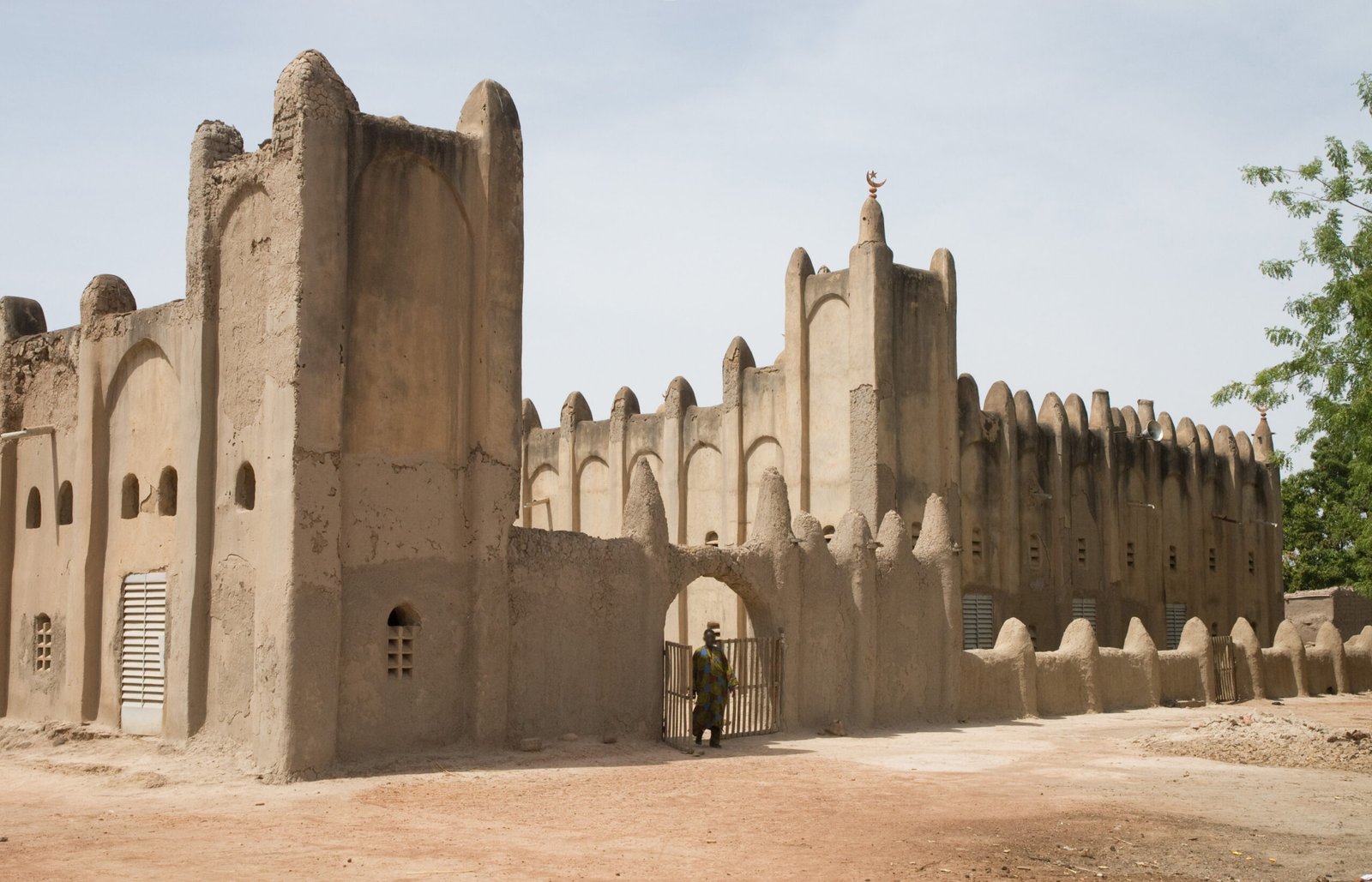
Koutiala is one of southern Mali’s most important commercial and agricultural cities, often referred to as the “Cotton Capital of Mali.” Located in the Sikasso Region, the city plays a vital role in the country’s cotton industry and is surrounded by fertile farmland, traditional villages, and rich cultural landscapes. Although Koutiala is primarily known as an economic hub, visitors can experience authentic Malian culture through its vibrant markets, artisan workshops, cultural centers, scenic countryside, and nearby historical attractions. The city offers a welcoming atmosphere where travelers can discover local traditions, agricultural heritage, and everyday life in southern Mali.
Below are the top tourist attractions and places to visit in Koutiala.
1. Koutiala Grand Market
The Koutiala Grand Market is the commercial heart of the city and one of the busiest marketplaces in southern Mali. Every day, local traders, farmers, and artisans gather to sell fresh fruits, vegetables, spices, cotton products, handmade textiles, pottery, leather goods, jewelry, and traditional crafts. The colorful atmosphere and lively interactions make the market an excellent place to experience authentic Malian culture.
Visitors can stroll through the bustling market, sample local foods, browse handmade souvenirs, and interact with friendly vendors while observing the daily rhythm of life in Koutiala. The market also serves as an important center for regional trade, attracting merchants from nearby villages and neighboring countries.
Experience Local Market Culture
Visitors can immerse themselves in the vibrant energy of the marketplace while discovering traditional crafts, regional cuisine, and the rich cultural heritage of southern Mali.
2. CMDT Cotton Processing Facilities

Koutiala is widely recognized as Mali’s Cotton Capital, and the city’s cotton processing facilities highlight the importance of this industry to the national economy. The region produces a significant portion of Mali’s cotton, making agriculture the foundation of local livelihoods.
Visitors interested in agriculture and industry can learn about cotton cultivation, harvesting, processing, and its role in supporting thousands of farming families across southern Mali. During harvest season, the surrounding countryside is covered with vast cotton fields, creating beautiful rural landscapes.
Discover Mali’s Cotton Heritage
Exploring Koutiala’s agricultural sector provides valuable insight into one of the country’s most important economic activities and the traditions that sustain rural communities.
3. Koutiala Artisan Village

The Artisan Village showcases the remarkable craftsmanship of local artists who produce handwoven fabrics, leather goods, pottery, wood carvings, jewelry, baskets, and decorative artwork. Skilled artisans continue to use traditional techniques that have been passed down through generations.
Visitors can watch craftsmen at work, learn about local artistic traditions, and purchase authentic handmade souvenirs directly from the creators.
Support Local Craftsmanship
The Artisan Village provides an excellent opportunity to appreciate Mali’s artistic heritage while supporting local artisans and preserving traditional skills.
4. Koutiala Cultural Center

The Koutiala Cultural Center celebrates the traditions, music, dance, and artistic heritage of the region. Throughout the year, the center hosts cultural festivals, theatrical performances, art exhibitions, music concerts, and educational workshops that showcase the diversity of southern Mali.
Visitors can enjoy traditional performances and learn about the customs of the Bambara, Minianka, and Senoufo communities that contribute to the city’s rich cultural identity.
Experience Traditional Malian Culture
The cultural center offers visitors an authentic introduction to the music, dance, storytelling, and artistic traditions that define life in Koutiala.
5. Traditional Cotton Farms

The countryside surrounding Koutiala is famous for its extensive cotton farms, making the region one of the largest cotton-producing areas in West Africa. Visitors can explore rural farming communities and observe traditional agricultural practices that have shaped the local economy for generations.
Explore Rural Mali
Travelers can learn about sustainable farming methods, interact with local farmers, and experience the peaceful beauty of Mali’s agricultural landscapes.
6. Minianka Cultural Villages
The Minianka Cultural Villages surrounding Koutiala provide visitors with a fascinating opportunity to discover traditional architecture, local customs, music, dance, and craftsmanship. These villages preserve centuries-old traditions while offering warm hospitality to visitors.
Discover Authentic Village Life
Visitors can experience traditional ceremonies, meet local families, and learn about the customs and heritage of one of southern Mali’s most important ethnic communities.
7. Koutiala Botanical Garden
The Koutiala Botanical Garden offers a peaceful green space filled with native trees, flowering plants, and tropical vegetation. The garden provides a relaxing environment for walking, photography, birdwatching, and learning about the region’s biodiversity.
Relax in Nature
Visitors can enjoy tranquil surroundings while exploring one of the city’s most peaceful outdoor attractions.
8. Koutiala Livestock Market

The Livestock Market is an important economic center where farmers and traders buy and sell cattle, sheep, goats, and other livestock. It provides visitors with an authentic insight into one of the region’s oldest commercial traditions.
Observe Traditional Commerce
Visitors can witness the vibrant trading atmosphere and understand the importance of livestock to rural livelihoods in southern Mali.
9. Traditional Weaving Workshops

Koutiala is renowned for its traditional weaving workshops, where skilled artisans transform locally grown cotton into colorful handwoven fabrics, clothing, and decorative textiles.
Watch Master Weavers at Work
Visitors can observe traditional weaving techniques and purchase authentic cotton products made by local craftsmen.
10. Koutiala Countryside

The scenic countryside surrounding Koutiala features rolling farmland, traditional villages, cotton fields, mango orchards, and peaceful rural landscapes. It offers visitors an opportunity to experience authentic village life while enjoying the natural beauty of southern Mali.
Explore the Agricultural Heartland
Visitors can take scenic drives through fertile landscapes, photograph traditional villages, meet local farming communities, and experience the welcoming hospitality that makes Koutiala one of Mali’s most important agricultural centers.
Related artical : Best place to visit in Kidal