Now Reading: Best place to visit in Al Husn
-
01
Best place to visit in Al Husn

Best place to visit in Al Husn

Al Husn is one of northern Jordan’s most historic and culturally significant towns, located in the fertile plains of the Irbid Governorate. Known for its rich heritage, strong community traditions, agricultural prosperity, and historical importance, Al Husn has played an important role in the development of northern Jordan for centuries. Surrounded by rolling farmland, olive groves, and scenic landscapes, the town offers visitors a unique opportunity to experience authentic Jordanian culture while exploring a region deeply connected to the country’s past.
The name “Al Husn” translates to “The Fortress” or “The Castle,” reflecting the area’s historical significance and strategic importance throughout various periods of history. Over centuries, numerous civilizations including the Romans, Byzantines, Islamic dynasties, and Ottomans influenced the development of the town, leaving behind cultural traditions and historical landmarks that continue to shape its identity today.
Modern Al Husn combines historical heritage with contemporary growth, making it one of Jordan’s most vibrant and welcoming communities.
1. The Historical Origins of Al Husn
The history of Al Husn stretches back thousands of years. Archaeological discoveries throughout the region indicate that human settlements existed here during ancient times due to the area’s fertile land, favorable climate, and strategic location.
Throughout different eras, the town became part of important trade and communication networks connecting northern Jordan with neighboring regions. Roman roads, Byzantine settlements, and Islamic communities contributed to the area’s development and prosperity.
The town’s strategic location helped it become an important agricultural and commercial center, supporting local populations and facilitating economic activity across northern Jordan.
Today, traces of these historical influences remain visible in local traditions, architecture, and cultural practices.
2. A Town of Rich Cultural Heritage

Al Husn is widely recognized for its strong cultural identity and deep-rooted traditions.
Generations of families have preserved customs, celebrations, folklore, music, and social practices that continue to play an important role in daily life. Community gatherings, weddings, religious celebrations, and cultural festivals help maintain strong social connections and reinforce the town’s cultural heritage.
The people of Al Husn are known for their hospitality, generosity, and commitment to preserving their traditions while embracing modern opportunities.
This rich cultural environment makes the town one of northern Jordan’s most authentic destinations.
3. Agriculture and Fertile Landscapes

Agriculture has long been the foundation of Al Husn’s economy and way of life.
The fertile plains surrounding the town support the cultivation of olives, wheat, barley, fruits, vegetables, and various agricultural products. The region’s productive soil and moderate climate have made farming an important source of income for local families for generations.
Olive cultivation is particularly significant, with many farms producing high-quality olive oil that reflects the agricultural traditions of northern Jordan.
The surrounding countryside creates beautiful scenery characterized by green fields, orchards, and rolling hills that change with the seasons.
4. Religious Heritage and Community Harmony

Al Husn is known for its diverse religious heritage and strong traditions of coexistence.
For generations, different religious communities have lived together peacefully, contributing to the town’s social and cultural development. Religious institutions serve not only as places of worship but also as centers of education, community engagement, and cultural preservation.
The spirit of mutual respect and cooperation among residents has helped create a welcoming and inclusive atmosphere that remains one of the town’s defining characteristics.
This tradition of coexistence reflects broader values of tolerance and unity within Jordanian society.
5. Traditional Architecture and Historic Streets
Walking through Al Husn offers visitors a glimpse into traditional Jordanian architecture and urban design.
Many older buildings feature stone construction, arched doorways, courtyards, and decorative architectural details that reflect local craftsmanship and historical influences. These structures provide insight into how communities adapted to their environment while maintaining aesthetic and functional design principles.
Historic streets and neighborhoods preserve much of the town’s traditional character, creating a distinctive atmosphere that connects residents to their heritage.
Preservation efforts continue to protect these valuable architectural resources for future generations.
6. Education and Intellectual Development

Education plays a central role in the development of Al Husn.
The town is home to schools and educational institutions that serve local communities and contribute to social progress. Families place a strong emphasis on learning and academic achievement, reflecting Jordan’s broader commitment to education and human development.
Educational opportunities have helped generations of residents pursue careers in business, government, healthcare, engineering, and other professions.
This focus on education continues to shape the town’s future and support economic growth.
7. Markets and Local Commerce

The markets and commercial districts of Al Husn provide an authentic experience of everyday life in Jordan.
Local businesses, family-owned shops, cafes, bakeries, and service providers contribute to a lively economic environment where residents gather for shopping and social interaction. Visitors can explore traditional products, fresh produce, handmade goods, and regional specialties.
The commercial life of the town reflects its entrepreneurial spirit and strong sense of community.
Markets remain important social spaces that connect generations and preserve local traditions.
8. Scenic Beauty and Natural Environment

One of Al Husn’s greatest attractions is its beautiful natural setting.
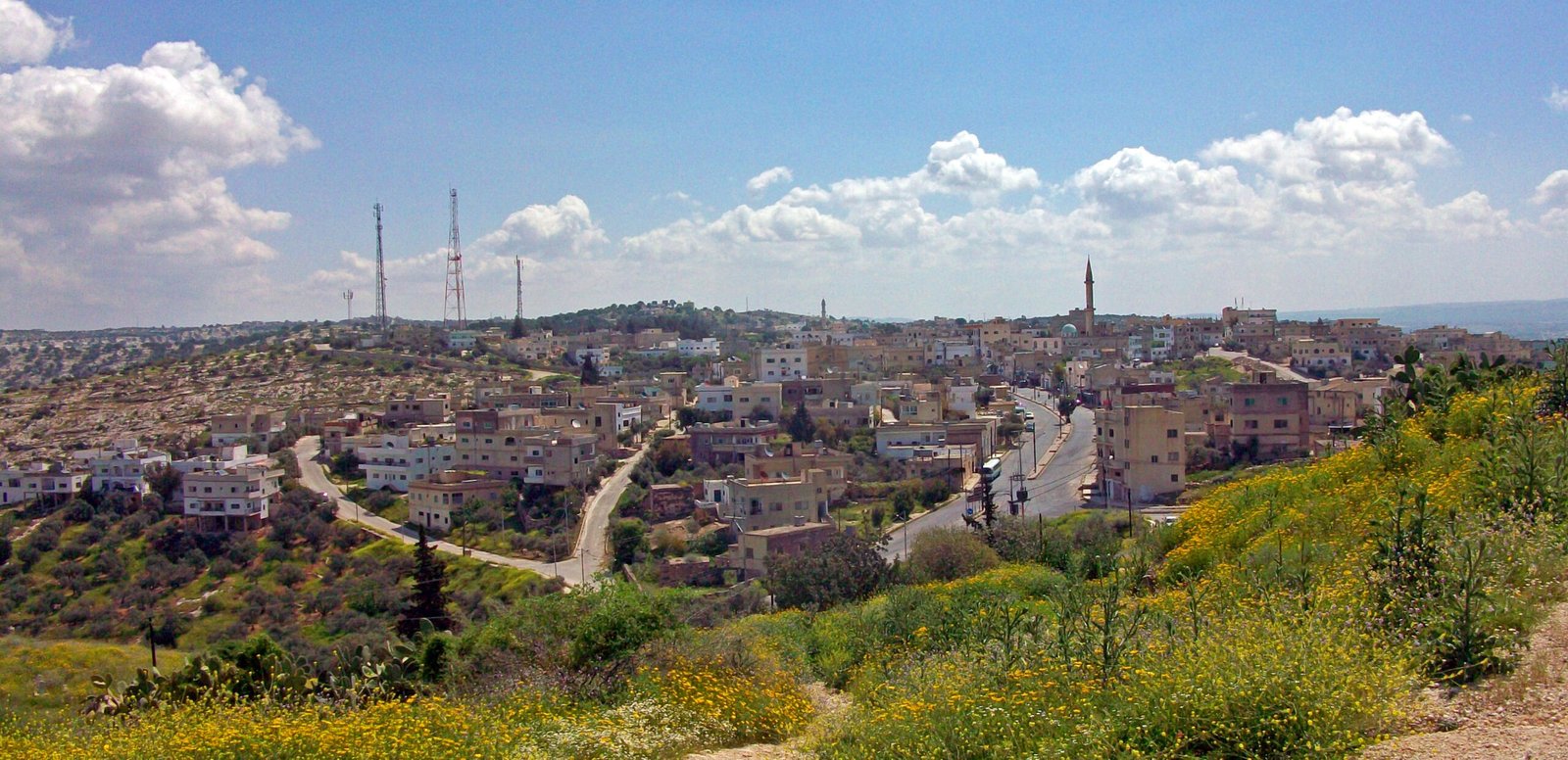
Located within one of Jordan’s most fertile regions, the town is surrounded by open countryside, agricultural land, and scenic hills. Seasonal changes bring different colors and landscapes, from lush green fields in spring to golden harvests during summer.
The area’s natural beauty provides opportunities for outdoor recreation, photography, and peaceful exploration of rural Jordan.
Visitors often appreciate the contrast between Al Husn’s tranquil environment and the busier urban centers elsewhere in the country.
9. Modern Development and Community Progress
While preserving its heritage, Al Husn continues to embrace modernization and development.
Investments in infrastructure, healthcare, education, public services, and technology have improved quality of life for residents. New housing developments, transportation improvements, and community projects support the town’s growing population and evolving needs.
Local leaders and residents work together to ensure that development remains balanced with heritage preservation and environmental sustainability.
These efforts contribute to a prosperous future while respecting the town’s historical identity.
10. Al Husn Today – A Symbol of Heritage and Community

Today, Al Husn stands as one of northern Jordan’s most respected and vibrant communities. Its rich history, agricultural traditions, cultural heritage, educational achievements, and strong sense of community create a town that reflects the best of Jordanian society.
From its ancient origins and fertile landscapes to its welcoming residents and modern development, Al Husn offers visitors an authentic experience of Jordan’s cultural and historical richness. Every street, farm, school, and gathering place tells a story of resilience, tradition, and progress.
As a town that honors its past while embracing the future, Al Husn continues to thrive as a center of heritage, education, agriculture, and community spirit. It remains a shining example of Jordan’s enduring cultural values and a destination that rewards those seeking a deeper understanding of the kingdom’s people and history.
Related artical : Best place to visit in Wadi Musa