
Now Reading: Best place to visit in Umm Qais
-
01
Best place to visit in Umm Qais
Best place to visit in Umm Qais

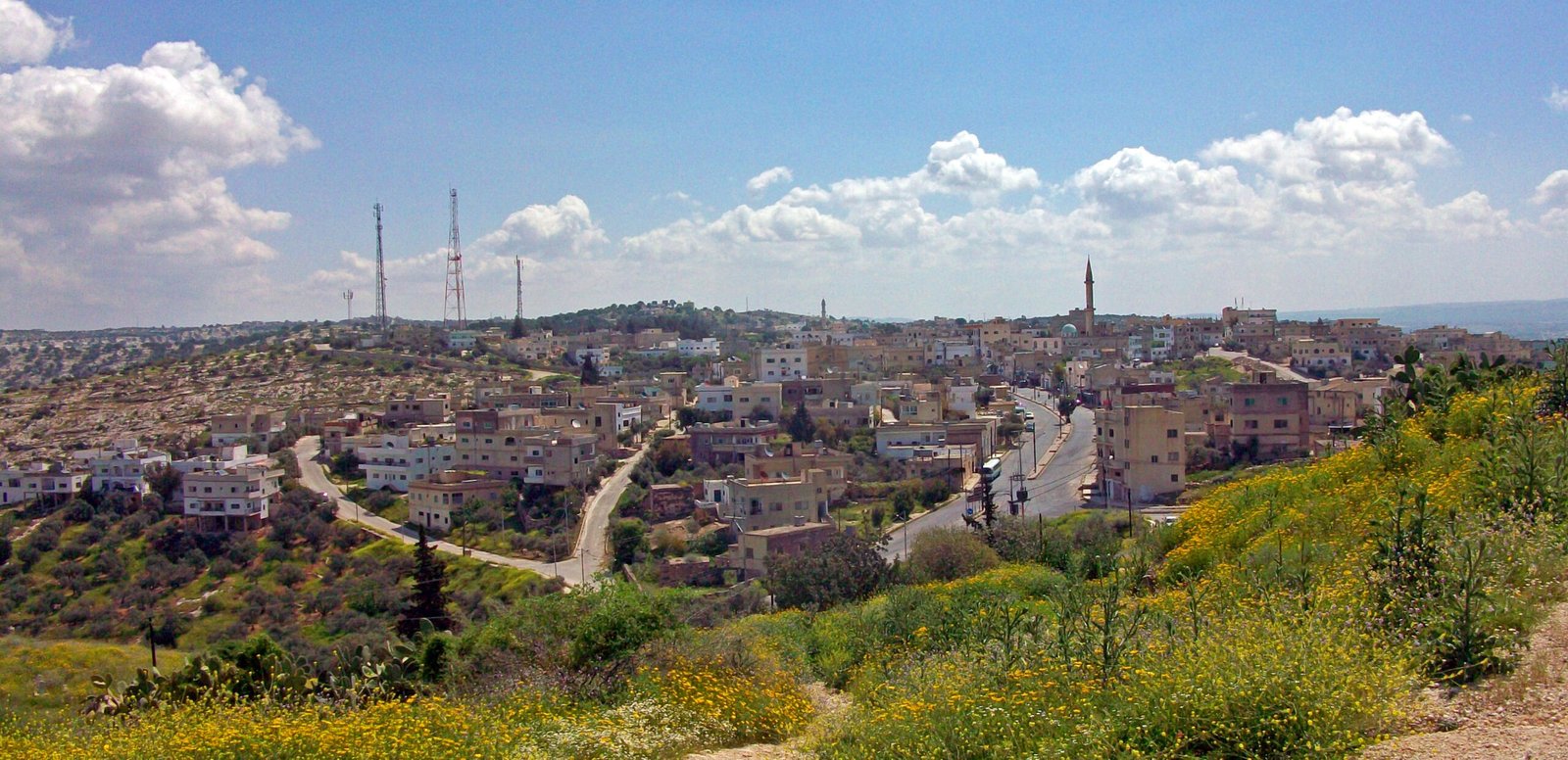
Umm Qais is one of Jordan’s most extraordinary historical and archaeological destinations. Perched on a scenic hilltop in the far north of the country, Umm Qais offers visitors a remarkable combination of ancient ruins, rich cultural heritage, breathtaking landscapes, and panoramic views stretching across three countries. Overlooking the Jordan Valley, the Sea of Galilee, and the Golan Heights, the city occupies one of the most spectacular locations in the Middle East.
Known in ancient times as Gadara, Umm Qais was one of the most important cities of the famous Decapolis, a group of ten Greco-Roman cities that flourished in the eastern Mediterranean region. Throughout its history, the city served as a center of learning, trade, philosophy, and culture, attracting scholars, merchants, and travelers from across the ancient world.
Today, Umm Qais stands as one of Jordan’s most treasured archaeological sites, offering a unique opportunity to explore thousands of years of history while enjoying some of the country’s most stunning natural scenery.
1. The Ancient City of Gadara

The origins of Umm Qais date back more than two thousand years. During the Hellenistic and Roman periods, the city was known as Gadara and became one of the most influential members of the Decapolis.
Gadara was famous for its intellectual and cultural achievements. The city produced philosophers, poets, mathematicians, and writers who contributed significantly to the intellectual life of the ancient world. Its strategic location along trade routes helped transform it into a prosperous commercial and cultural center.
The wealth generated through trade and agriculture financed the construction of theaters, temples, roads, baths, and public buildings that showcased the city’s prosperity and sophistication.
Today, these archaeological remains provide valuable insight into one of the most important urban centers of the ancient Near East.
2. A City of the Decapolis
Umm Qais was one of the renowned cities of the Decapolis, a group of ten cities that played a major role in the political, economic, and cultural development of the region.
These cities enjoyed a high degree of autonomy and became centers of Greek and Roman influence in the Middle East. Gadara distinguished itself through its educational institutions, public infrastructure, and thriving intellectual community.
Membership in the Decapolis helped connect the city to broader networks of commerce and culture extending throughout the Roman Empire.
The legacy of this period remains visible in the impressive ruins that continue to attract visitors and researchers from around the world.
3. The Spectacular Views of Three Nations

One of the most extraordinary features of Umm Qais is its location.
From the hilltop ruins, visitors can enjoy breathtaking views of the Sea of Galilee, the Jordan Valley, and the Golan Heights.
On clear days, it is possible to see parts of Jordan, Israel, and Syria simultaneously. Few archaeological sites in the world offer such dramatic and historically significant vistas.
The combination of ancient ruins and spectacular scenery creates an unforgettable experience that distinguishes Umm Qais from many other historical destinations.
Photographers and nature lovers often consider the views among the finest in Jordan.
4. The Roman Theater

One of the most impressive structures within the archaeological site is the ancient Roman theater.
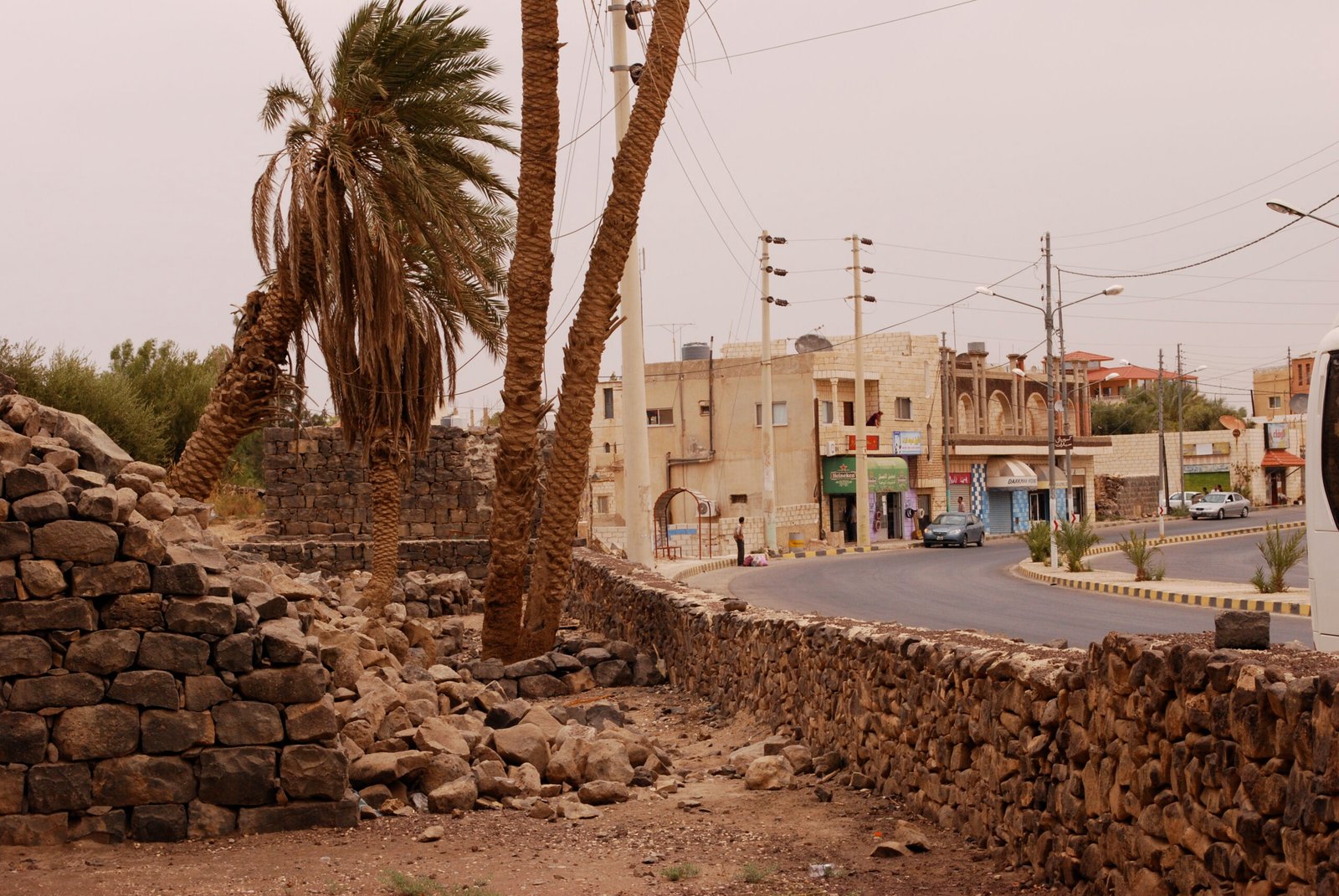
Built from distinctive black basalt stone, the theater demonstrates the advanced engineering and architectural skills of Roman builders. It once hosted theatrical performances, public gatherings, ceremonies, and cultural events for thousands of spectators.
The theater’s design provided excellent acoustics and unobstructed views of both the stage and the surrounding landscape.
Today, visitors can walk among the seating areas and imagine the performances that took place nearly two thousand years ago.
The structure remains one of the best-preserved landmarks within the ancient city.
5. Byzantine and Early Islamic Heritage

Following the Roman period, Umm Qais continued to flourish under Byzantine and early Islamic rule.
Churches, residential buildings, and public structures were constructed throughout the city, reflecting its ongoing importance as a regional center. Several Byzantine churches featured beautiful mosaics and architectural details that demonstrated the city’s prosperity.
The arrival of Islamic rule introduced new cultural influences while preserving many aspects of the city’s urban character.
These successive civilizations contributed to the rich archaeological layers visible throughout the site today.
6. Umm Qais and Biblical Significance

Umm Qais holds special significance for many religious visitors.
The ancient city of Gadara is often associated with biblical events described in Christian traditions. Scholars believe the area may be connected to accounts involving Jesus and the healing of demoniacs in the region of the Gadarenes.
As a result, Umm Qais has become an important destination for religious tourism and pilgrimage.
Visitors interested in biblical history often include the site in broader tours of religious landmarks throughout Jordan and the Holy Land.
Its spiritual significance adds another dimension to its historical importance.
7. Archaeological Discoveries and Preservation

Archaeological research at Umm Qais has revealed a wealth of information about life in the ancient world.
Excavations have uncovered temples, colonnaded streets, baths, tombs, residential areas, and public buildings that illustrate the city’s complexity and sophistication. These discoveries help historians understand urban development, trade, religion, and daily life during different historical periods.
Conservation efforts continue to protect and restore important structures while making the site accessible to visitors.
The ongoing preservation of Umm Qais ensures that future generations can continue to learn from its remarkable history.
8. Nature, Wildlife, and Eco-Tourism

Beyond its archaeological importance, Umm Qais is surrounded by beautiful natural landscapes.
The region’s fertile hills, valleys, and open countryside support diverse plant and animal species. Birdwatchers, hikers, and nature enthusiasts frequently visit the area to explore its ecological richness.
Walking trails connect historical sites with scenic viewpoints, allowing visitors to experience both cultural and natural attractions simultaneously.
The combination of archaeology and nature tourism has helped establish Umm Qais as one of Jordan’s most diverse destinations.
9. Local Culture and Traditional Hospitality

The communities surrounding Umm Qais preserve many aspects of traditional Jordanian culture.
Visitors often encounter warm hospitality, traditional cuisine, local crafts, and agricultural practices that have been maintained for generations. Olive groves, farms, and rural villages contribute to the region’s distinctive character.
Local residents play an important role in preserving the area’s cultural and historical heritage while supporting sustainable tourism initiatives.
These authentic experiences enhance the appeal of Umm Qais as a destination for cultural exploration.
10. Umm Qais Today – A Living Museum of History and Beauty

Today, Umm Qais stands among Jordan’s most remarkable archaeological treasures. Its extraordinary combination of ancient history, Greco-Roman architecture, biblical significance, natural beauty, and panoramic views creates an experience unlike any other in the country.
From the impressive ruins of ancient Gadara and the basalt Roman theater to the breathtaking views across the Jordan Valley and the Sea of Galilee, every corner of Umm Qais tells a story spanning thousands of years.
As a destination where history, culture, religion, and nature converge, Umm Qais continues to captivate visitors from around the world. It remains a powerful symbol of Jordan’s rich heritage and one of the most inspiring places to explore the legacy of ancient civilizations in the Middle East.
Related artical : Best place to visit in Al Husn