
Now Reading: Best place to visit in Attapeu
-
01
Best place to visit in Attapeu
Best place to visit in Attapeu
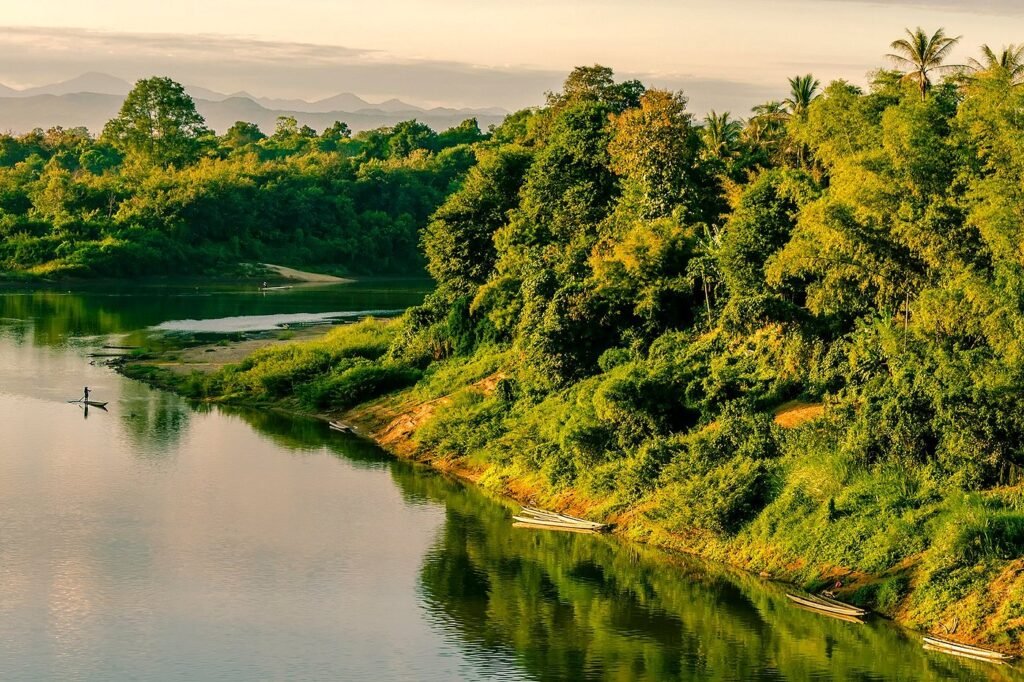
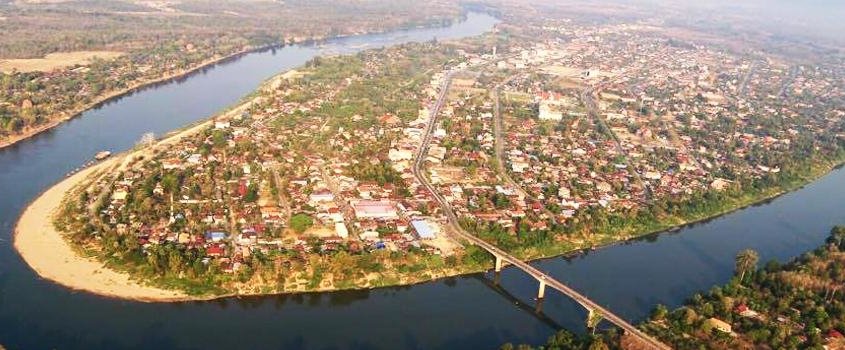
Attapeu is one of the most remote, culturally rich, and naturally beautiful provinces in southern Laos. Located near the borders of Vietnam and Cambodia, Attapeu is known for its dense forests, winding rivers, ancient temples, ethnic diversity, and historical significance.
For centuries, the region served as an important crossroads between different civilizations and ethnic communities. The province’s strategic location along trade routes connecting the Mekong Basin with the Central Highlands of Vietnam helped shape its development. Despite modernization elsewhere in Laos, Attapeu has preserved much of its traditional culture and natural environment.
Today, Attapeu remains one of Laos’ least-visited destinations, offering travelers an authentic experience far from the country’s major tourist centers. Visitors can discover untouched landscapes, ancient heritage sites, traditional villages, and some of the most pristine wilderness areas in Southeast Asia.
The following attractions represent the best places to visit in Attapeu.
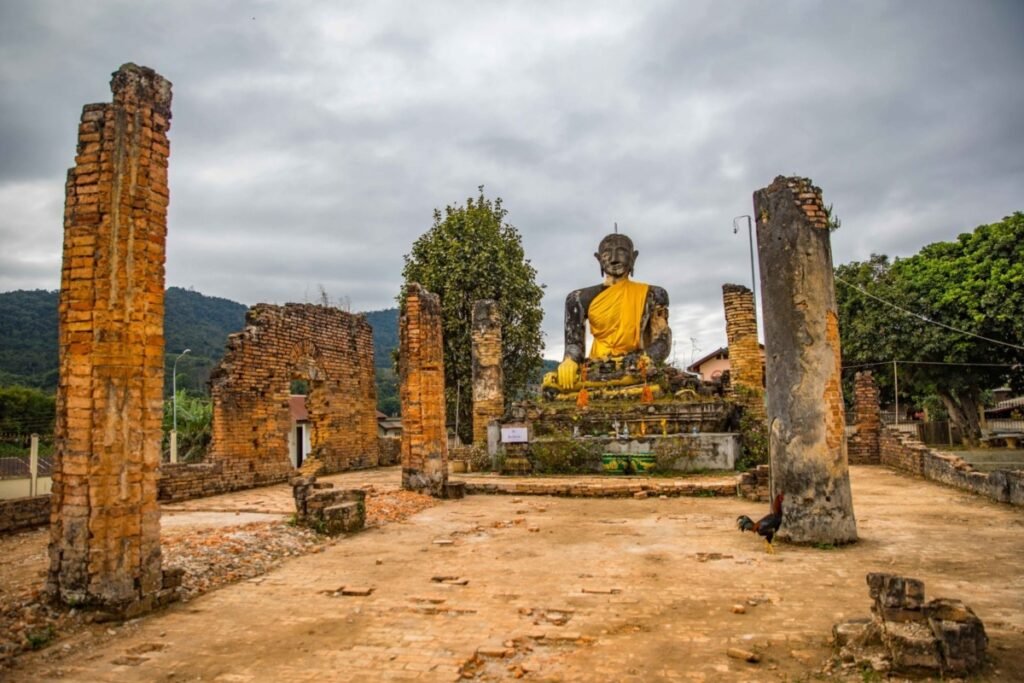
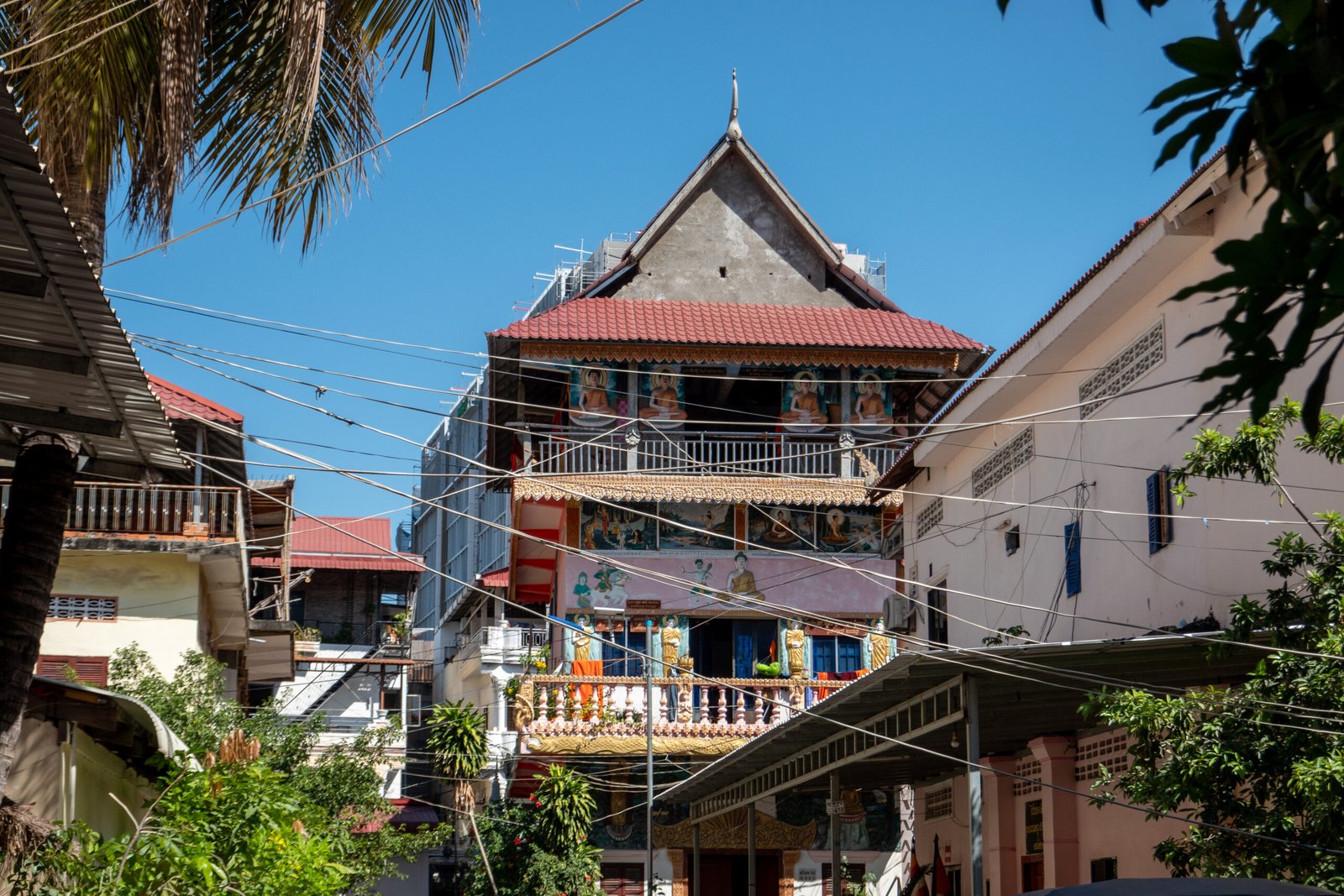
1. Wat Sakae Temple – The Spiritual Heart of the Province

History
Wat Sakae is one of the oldest and most important Buddhist temples in Attapeu Province.
The temple has served as a religious and cultural center for generations, providing education, spiritual guidance, and community support to local residents.
Throughout its history, Wat Sakae has witnessed major changes in the region, including periods of royal rule, colonial administration, and modern development.
Its architecture reflects traditional Lao Buddhist design and preserves important aspects of local religious heritage.
Visitor Experience
Visitors can admire:
- Traditional Buddhist architecture
- Sacred prayer halls
- Historic religious artifacts
- Peaceful temple grounds
- Cultural ceremonies
The temple remains a symbol of faith and community life in Attapeu.
2. Sekong River – The Lifeline of Southern Laos

History
The Sekong River has shaped life in Attapeu for centuries.
Long before modern roads existed, the river served as a major transportation route connecting villages throughout southern Laos and neighboring regions.
Communities relied on the river for fishing, agriculture, transportation, and trade. Its waters supported the growth of settlements and helped sustain local economies.
Even today, the river remains essential to the daily lives of many residents.
Visitor Experience
Visitors can enjoy:
- Scenic river views
- Traditional fishing communities
- Sunset photography
- Riverside landscapes
- Cultural encounters
The river offers insight into the traditional lifestyle of southern Laos.
3. Xe Pian National Protected Area – A Wildlife Sanctuary

History
Established in 1993, Xe Pian National Protected Area is one of the largest conservation zones in Laos.
The reserve was created to protect endangered wildlife species, forests, wetlands, and important ecosystems.
Historically, local communities depended on the forests for food, medicine, and materials while maintaining a close relationship with nature.
Today, the protected area serves as a critical conservation site for biodiversity in Southeast Asia.
Visitor Experience
Visitors can explore:
- Dense tropical forests
- Wetland habitats
- Birdwatching opportunities
- Wildlife observation
- Eco-tourism activities
The reserve is one of Laos’ most important natural treasures.
4. Nong Fa Lake – The Mysterious Volcanic Lake

History
Nong Fa Lake is one of the most mysterious lakes in Laos.
Located within a remote forested area, the lake is believed to have formed through volcanic or tectonic activity thousands of years ago.
Local legends describe the lake as a sacred place connected to spirits and ancient myths. Generations of villagers have passed down stories explaining its unusual depth and isolated location.
The lake remains one of Attapeu’s most intriguing natural landmarks.
Visitor Experience
Visitors can admire:
- Remote natural scenery
- Forest landscapes
- Unique geological features
- Cultural legends
- Peaceful surroundings
Its untouched beauty makes it a memorable destination.
5. Attapeu Provincial Museum – Preserving Local Heritage
History
The provincial museum was established to preserve and showcase the history of Attapeu and its diverse ethnic communities.
Exhibits document archaeological discoveries, traditional lifestyles, historical events, and regional development.
The museum highlights the contributions of local communities and the unique identity of southern Laos.
Visitor Experience
Visitors can learn about:
- Regional history
- Traditional clothing
- Ancient artifacts
- Ethnic cultures
- Historical photographs
The museum provides valuable context for understanding Attapeu’s past.
6. Ethnic Minority Villages – Living Cultural Heritage

History
Attapeu is home to numerous ethnic groups, including the Brao, Alak, Oy, Katu, and Nge communities.
These groups have inhabited the region’s forests and mountains for centuries, maintaining unique languages, customs, and traditions.
Despite modernization, many communities continue to preserve traditional lifestyles.
Visitor Experience
Visitors can discover:
- Traditional architecture
- Local handicrafts
- Cultural ceremonies
- Agricultural practices
- Community traditions
These villages provide an authentic cultural experience rarely found elsewhere.
7. Ho Chi Minh Trail Historical Sites – Echoes of Modern History

History
During the Vietnam War, parts of the Ho Chi Minh Trail passed through Attapeu Province.
The trail served as a vital supply network connecting North Vietnam with southern battlefields.
As a result, the region became strategically important and experienced significant wartime activity.
Today, historical sites preserve the memory of this period and its impact on local communities.
Visitor Experience
Visitors can explore:
- Historical landmarks
- Wartime relics
- Educational exhibits
- Scenic routes
- Cultural history
The sites offer important insights into modern Southeast Asian history.
8. Xepian Wetlands – A Haven for Birdlife

History
The wetlands of Attapeu have supported wildlife and human communities for thousands of years.
These ecosystems play a crucial role in maintaining biodiversity and providing resources for local populations.
Conservation efforts have helped protect many species that depend on the wetlands.
Visitor Experience
Visitors can enjoy:
- Birdwatching
- Wetland landscapes
- Wildlife photography
- Nature excursions
- Eco-tourism experiences
The wetlands are among the most ecologically important areas in southern Laos.
9. Sanamxay District – Gateway to Rural Attapeu

History
Sanamxay has long served as an agricultural center and gateway to the remote regions of Attapeu Province.
The district’s fertile lands support farming communities that continue traditional agricultural practices.
Its location also makes it an important connection point for travelers exploring the province.
Visitor Experience
Visitors can experience:
- Traditional farming landscapes
- Local villages
- Scenic countryside
- Cultural encounters
- Rural Lao life
The district offers a glimpse into everyday life in southern Laos.
10. Attapeu Town Market – The Cultural and Commercial Center

History
Markets have always been central to community life in Attapeu.
For generations, farmers, artisans, and traders gathered here to exchange goods and maintain social connections.
The market reflects the cultural diversity and economic traditions of the province.
Visitor Experience
Visitors can browse:
- Fresh produce
- Traditional textiles
- Handmade crafts
- Regional foods
- Local products
The market provides one of the best opportunities to experience the daily rhythm of Attapeu.
Related artical : Best place to visit in Vang Vieng