
Now Reading: Best place to visit in Saravan
-
01
Best place to visit in Saravan
Best place to visit in Saravan

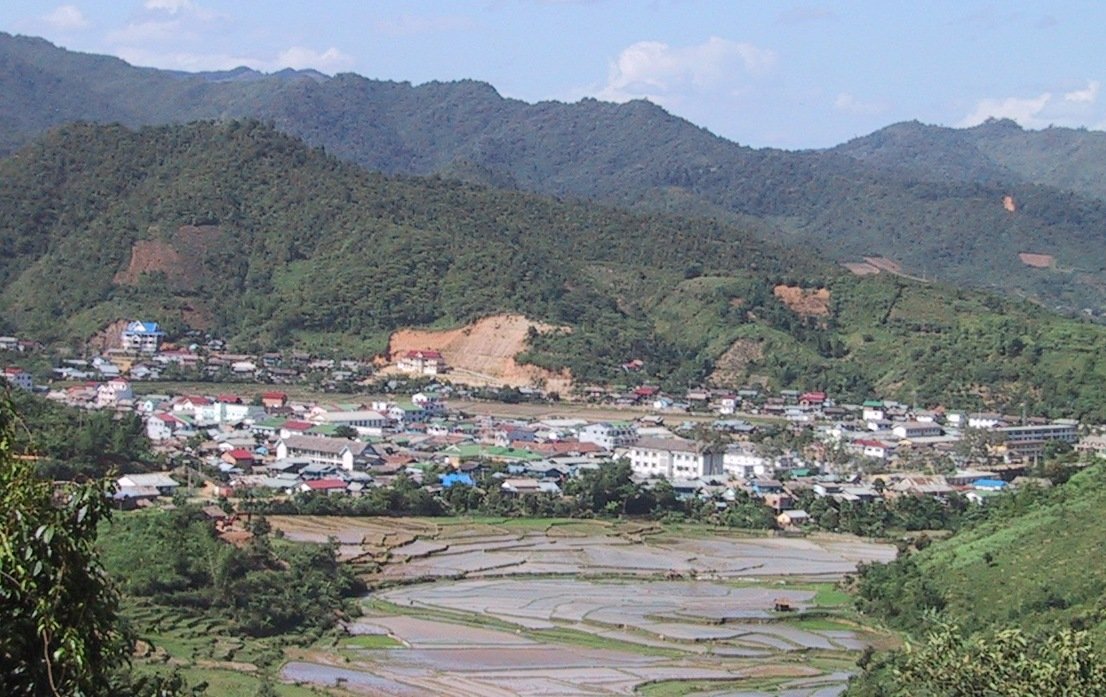
Saravan (also written as Salavan) is one of the most culturally diverse and historically significant provinces in southern Laos. Nestled between the fertile plains of southern Laos and the highlands of the Bolaven Plateau, Saravan is known for its waterfalls, ethnic communities, forests, coffee plantations, rivers, and rich cultural heritage.
For centuries, the province has served as a meeting point for various ethnic groups, traders, and travelers moving through the southern Lao highlands. The region’s strategic location made it an important center for agriculture, commerce, and cultural exchange long before the arrival of European colonial powers.
Today, Saravan remains one of Laos’ most authentic destinations, offering visitors a unique opportunity to experience traditional lifestyles, untouched natural beauty, and fascinating historical sites.
The following attractions represent the best places to visit in Saravan.
1. Tad Lo Waterfall – The Jewel of Saravan

History
Tad Lo Waterfall is one of the most famous attractions in southern Laos and has long been an important natural landmark for local communities.
The waterfall is formed by the Xe Set River, which flows through the Bolaven Plateau before descending into the lowlands.
For generations, nearby villages depended on the river for fishing, farming, and transportation. The waterfall became a gathering place for communities and travelers moving through the region.
Visitor Experience
Visitors can enjoy:
- Multi-level waterfalls
- Natural swimming areas
- Scenic river views
- Forest surroundings
- Photography opportunities
Tad Lo remains the most visited attraction in Saravan Province.
2. Bolaven Plateau – The Highland Kingdom of Coffee

History
The Bolaven Plateau was created through ancient volcanic activity that enriched the soil with valuable minerals.
During the French colonial period, coffee cultivation was introduced to the region. The cool climate and fertile volcanic soil proved ideal for coffee production, transforming the plateau into one of Southeast Asia’s most important coffee-growing regions.
Today, coffee remains a major contributor to the local economy.
Visitor Experience
Visitors can explore:
- Coffee plantations
- Mountain scenery
- Rural villages
- Agricultural tours
- Highland landscapes
The plateau showcases the agricultural heritage of southern Laos.
3. Tad Suong Waterfall – The Hidden Forest Cascade

History
Tad Suong Waterfall has been known to local communities for centuries and remains one of the most beautiful waterfalls on the Bolaven Plateau.
The waterfall was formed by rivers carving through volcanic rock over thousands of years.
Its remote location helped preserve its natural beauty.
Visitor Experience
Visitors can admire:
- Tall cascades
- Forest landscapes
- Scenic viewpoints
- Natural beauty
- Peaceful surroundings
The waterfall provides an unforgettable nature experience.
4. Saravan Town Market – The Cultural Heart of the Province

History
Markets have long served as centers of trade and social interaction in Saravan.
Farmers, artisans, and merchants from surrounding villages gather daily to exchange goods and maintain community connections.
The market reflects the province’s ethnic diversity and agricultural traditions.
Visitor Experience
Visitors can browse:
- Fresh produce
- Traditional textiles
- Handicrafts
- Local foods
- Everyday products
The market offers a glimpse into daily life in southern Laos.
5. Ethnic Minority Villages – Preserving Ancient Traditions

History
Saravan is home to numerous ethnic groups, including the Alak, Laven, Katang, Ta Oy, and Ngai peoples.
These communities have maintained their unique customs, languages, and cultural practices for centuries.
Their traditions continue to play a vital role in the province’s identity.
Visitor Experience
Visitors can discover:
- Traditional houses
- Cultural ceremonies
- Handicraft production
- Local customs
- Community life
The villages provide one of the most authentic cultural experiences in Laos.
6. Xe Set River – The Lifeline of Saravan

History
The Xe Set River has supported agriculture, transportation, and settlement throughout the history of Saravan Province.
Communities developed along its banks due to the availability of water and fertile land.
The river remains a vital resource for local residents.
Visitor Experience
Visitors can enjoy:
- Riverside scenery
- Fishing communities
- Photography opportunities
- Nature walks
- Traditional landscapes
The river contributes greatly to the beauty of the region.
7. Ho Chi Minh Trail Historical Sites – Witness to Modern History

History
During the Vietnam War era, sections of the Ho Chi Minh Trail passed through Saravan Province.
The trail served as a major logistical network connecting North Vietnam with southern battlefields.
As a result, the region played a significant role in regional history.
Today, several sites preserve the memory of this important period.
Visitor Experience
Visitors can explore:
- Historical landmarks
- Educational exhibits
- Wartime relics
- Scenic routes
- Historical landscapes
The sites provide valuable historical insight.
8. Phou Xieng Thong National Protected Area – A Biodiversity Treasure
History
The protected area was established to conserve important ecosystems and wildlife habitats in southern Laos.
Its forests have supported local communities for centuries while providing shelter for numerous plant and animal species.
Conservation efforts help ensure the area’s ecological future.
Visitor Experience
Visitors can experience:
- Forest trekking
- Wildlife observation
- Birdwatching
- Scenic landscapes
- Eco-tourism activities
The reserve is a paradise for nature enthusiasts.
9. Traditional Coffee Villages – The Coffee Heritage of Laos

History
Coffee farming became an integral part of life on the Bolaven Plateau during the French colonial era.
Over generations, farming communities developed specialized cultivation techniques that continue today.
The region now produces some of the finest coffee in Southeast Asia.
Visitor Experience
Visitors can learn about:
- Coffee cultivation
- Traditional farming methods
- Local processing techniques
- Plantation tours
- Rural life
The villages reveal the agricultural heritage of Saravan.
10. Mountain Viewpoints of Saravan – The Best Panoramas in Southern Laos

History
The mountains surrounding Saravan have served as natural landmarks and observation points for centuries.
Travelers, hunters, and local communities relied on these elevated locations for navigation and communication.
Today, they provide some of the most spectacular views in southern Laos.
Visitor Experience
Visitors can admire:
- Mountain landscapes
- Sunrise views
- Sunset photography
- Forest panoramas
- Scenic countryside
The viewpoints offer unforgettable perspectives of the province.
Related artical : Best place to visit in Attapeu