
Now Reading: Best place to visit in Xam Neua
-
01
Best place to visit in Xam Neua
Best place to visit in Xam Neua

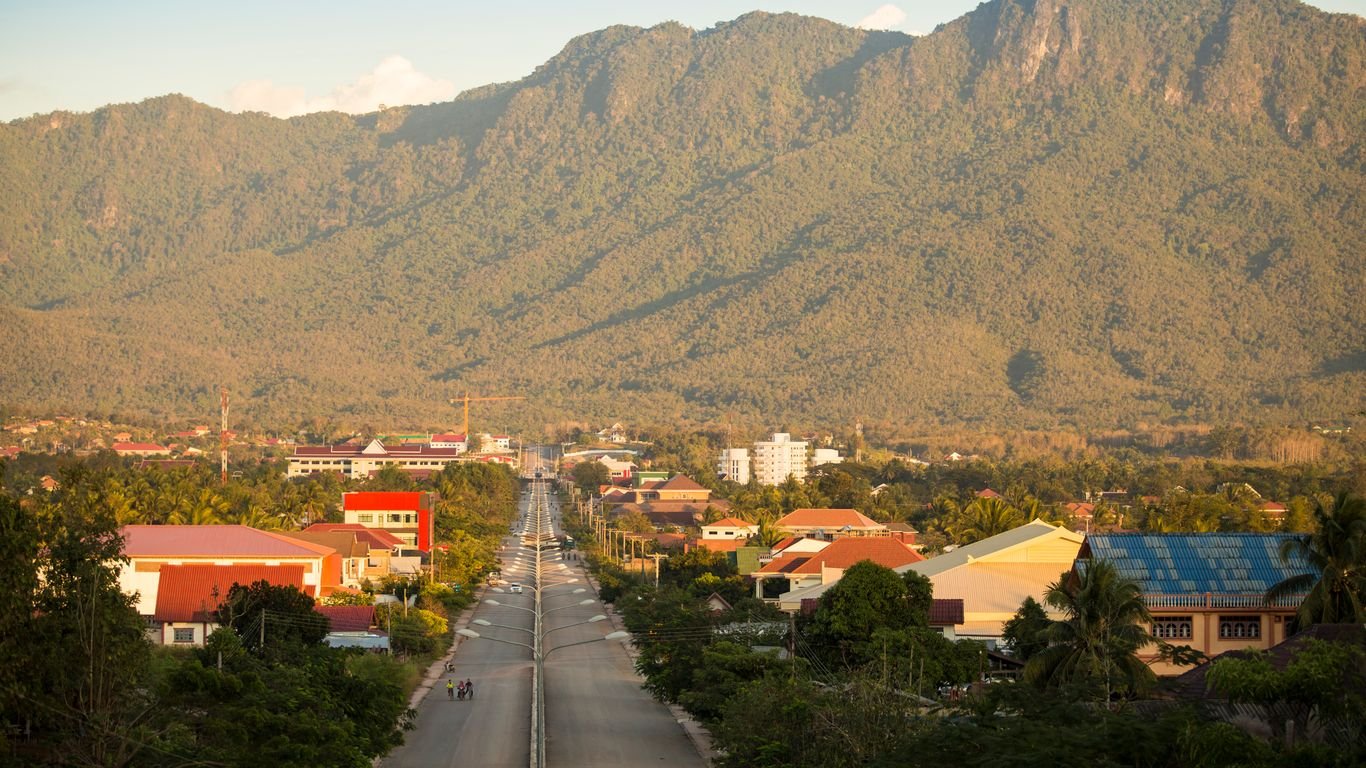
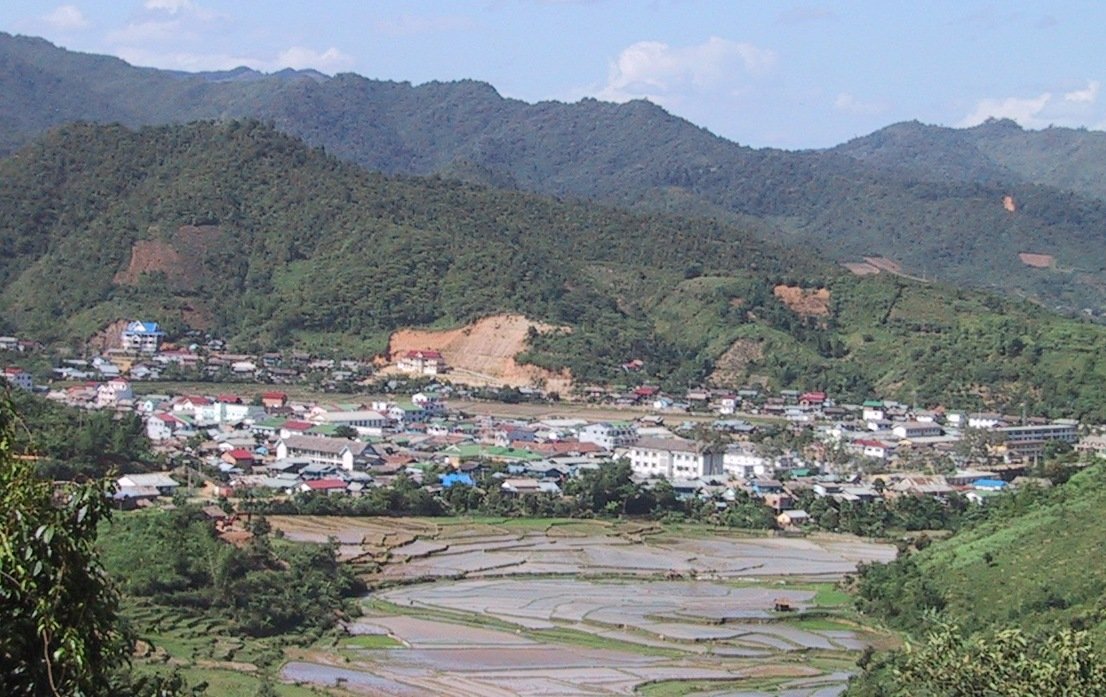
Xam Neua is the capital of Houaphanh Province and one of the most historically important cities in northern Laos. Surrounded by rugged mountains, fertile valleys, rivers, and traditional villages, Xam Neua is often regarded as the cultural and revolutionary heart of the country.
Located near the border with Vietnam, the region has long served as a crossroads for trade, migration, and cultural exchange. Throughout history, Xam Neua witnessed the rise of ancient Lao kingdoms, colonial rule, wartime struggles, and the birth of modern Laos.
Today, the city attracts visitors interested in history, culture, natural beauty, and authentic local traditions. Its peaceful atmosphere, stunning landscapes, and significant historical sites make it one of the most fascinating destinations in Laos.
The following attractions represent the best places to visit in Xam Neua.
1. Viengxay Caves – The Hidden Capital of the Revolution

History
The Viengxay Caves are among the most important historical sites in Laos.
During the Second Indochina War, thousands of people lived inside these limestone caves, including leaders of the Pathet Lao movement. The caves functioned as a hidden city complete with homes, hospitals, schools, meeting halls, and communication centers.
Protected by the surrounding mountains, the cave complex became the headquarters of the Lao revolutionary movement and played a critical role in shaping the nation’s modern history.
Visitor Experience
Visitors can explore:
- Historic cave shelters
- Revolutionary headquarters
- Underground meeting rooms
- Wartime exhibits
- Educational guided tours
The caves offer a unique insight into one of the most significant chapters of Lao history.
2. Nam Xam River – The Lifeline of Xam Neua
History
For centuries, the Nam Xam River has supported agriculture, transportation, and settlement throughout the region.
Communities established villages along its banks, relying on the river for irrigation, fishing, and daily life.
The river continues to play an important role in the local economy and culture.
Visitor Experience
Visitors can enjoy:
- Riverside walks
- Scenic landscapes
- Traditional villages
- Photography opportunities
- Peaceful surroundings
The river enhances the natural beauty of Xam Neua.
3. Xam Neua Market – The Cultural Center of the Province

History
Markets have long been gathering places for the diverse ethnic communities of Houaphanh Province.
Farmers, artisans, and traders from surrounding villages bring their goods to the market, preserving traditions that have existed for generations.
Visitor Experience
Visitors can browse:
- Traditional textiles
- Local handicrafts
- Fresh produce
- Regional cuisine
- Handmade goods
The market provides a vibrant glimpse into everyday life.
4. Nam Et-Phou Louey National Park – The Kingdom of Wildlife

History
Established to protect one of the largest forest ecosystems in Laos, Nam Et-Phou Louey National Park is home to rare wildlife and important biodiversity.
Historically, local communities depended on these forests for food, medicine, and natural resources.
Conservation efforts now help preserve the area’s ecological importance.
Visitor Experience
Visitors can experience:
- Wildlife safaris
- Jungle trekking
- Birdwatching
- River excursions
- Nature photography
The park is considered one of Laos’ premier eco-tourism destinations.
5. Ban Xieng Village – Traditional Tai Daeng Culture

History
Ban Xieng is known for preserving the traditions of the Tai Daeng ethnic group, whose ancestors settled in the region centuries ago.
The community maintains distinctive customs, weaving techniques, architecture, and cultural practices.
Visitor Experience
Visitors can discover:
- Traditional houses
- Handwoven textiles
- Cultural performances
- Local customs
- Community life
The village offers an authentic cultural experience.
6. Houaphanh Provincial Museum – Preserving Regional History
History
The museum was established to preserve the history, culture, and revolutionary heritage of Houaphanh Province.
Its collections include archaeological artifacts, traditional clothing, historical documents, and exhibits related to the revolutionary movement.
Visitor Experience
Visitors can learn about:
- Regional history
- Ethnic cultures
- Archaeological discoveries
- Revolutionary heritage
- Traditional lifestyles
The museum offers valuable historical context.
7. Phou Pha Thi – The Secret Mountain of History

History
Phou Pha Thi became internationally known during the Vietnam War period due to its strategic importance.
The mountain hosted important installations and witnessed significant historical events that influenced the region’s history.
Its dramatic cliffs and remote location add to its historical significance.
Visitor Experience
Visitors can admire:
- Mountain landscapes
- Historical sites
- Scenic viewpoints
- Hiking opportunities
- Cultural heritage
The mountain remains one of the province’s most fascinating landmarks.
8. Ancient Buddhist Temples of Xam Neua
History
Buddhism has shaped life in Houaphanh Province for centuries.
Local temples served as centers of learning, worship, and community life while preserving spiritual traditions through periods of political and social change.
Visitor Experience
Visitors can explore:
- Historic temples
- Sacred Buddha statues
- Religious artwork
- Monastic traditions
- Peaceful temple grounds
The temples reflect the spiritual heritage of the region.
9. Mountain Viewpoints of Houaphanh Province

History
The mountainous terrain surrounding Xam Neua has influenced the region’s history, culture, and settlement patterns for centuries.
These high ridges provided natural protection and strategic observation points throughout history.
Visitor Experience
Visitors can enjoy:
- Panoramic landscapes
- Valley views
- Sunrise photography
- Sunset photography
- Mountain scenery
The viewpoints reveal the stunning beauty of northern Laos.
10. Ethnic Minority Villages – Guardians of Traditional Heritage
History
Houaphanh Province is home to numerous ethnic communities including the Hmong, Tai Daeng, Khmu, and Lao groups.
These communities have preserved unique languages, traditions, festivals, and crafts for generations.
Their cultural heritage remains a defining feature of the province.
Visitor Experience
Visitors can experience:
- Traditional lifestyles
- Cultural ceremonies
- Handicraft production
- Agricultural practices
- Local hospitality
The villages provide a deeper understanding of Laos’ cultural diversity.
Related artical : Best place to visit in Saravan