
Now Reading: Best place to visit in Sayaboury
-
01
Best place to visit in Sayaboury
Best place to visit in Sayaboury

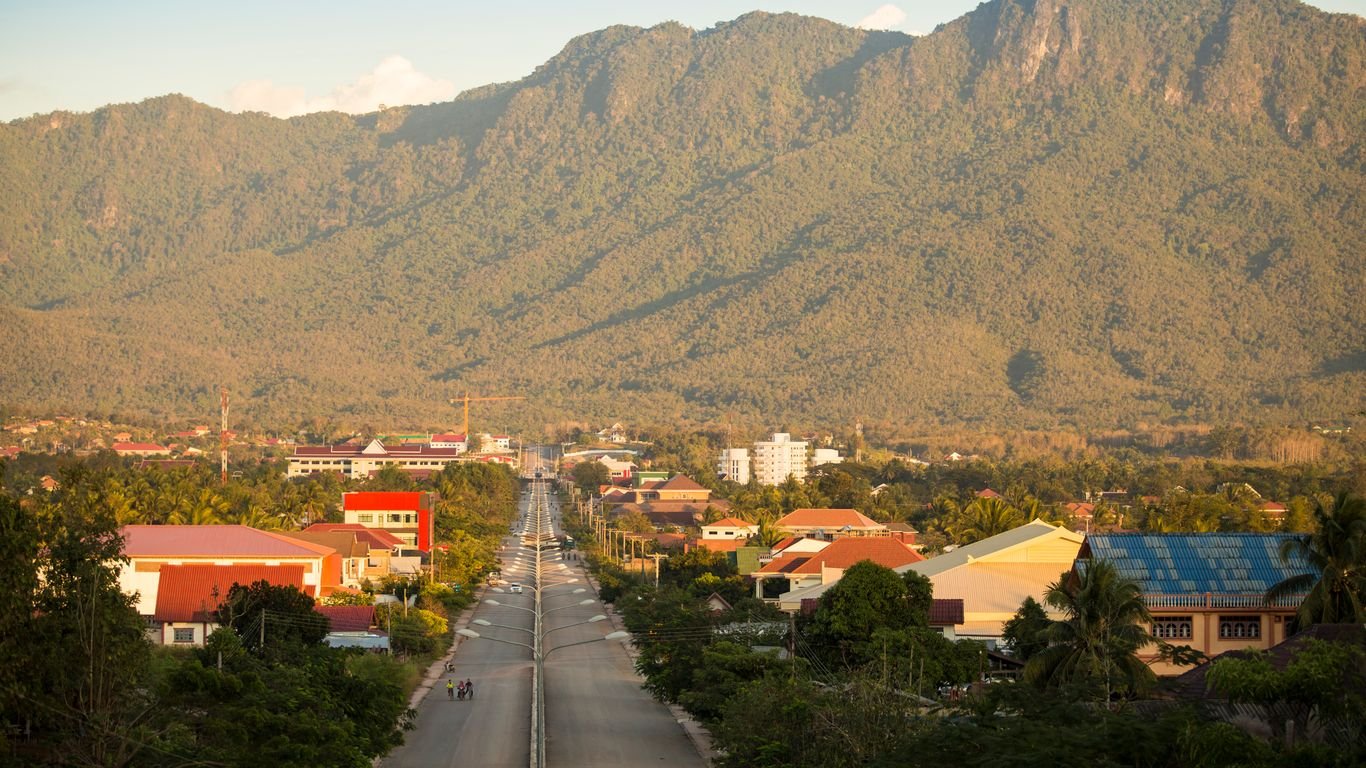
Sayaboury (also spelled Xayaboury) is one of the most fascinating and culturally rich provinces in northwestern Laos. Located between the Mekong River and the mountainous border with Thailand, the province is known for its elephant heritage, traditional villages, forests, rivers, wildlife, and beautiful landscapes.
Historically, Sayaboury occupied an important position along regional trade routes connecting Laos, Thailand, and the broader Mekong region. The province developed through centuries of cultural exchange, agriculture, Buddhism, and commerce. Its fertile valleys and river systems supported communities that continue to preserve traditional ways of life.
Today, Sayaboury is best known for its elephant conservation efforts, eco-tourism opportunities, scenic mountains, and rich cultural traditions. Visitors seeking authentic experiences away from major tourist crowds often find Sayaboury to be one of Laos’ most rewarding destinations.
The following attractions represent the best places to visit in Sayaboury.
1. Elephant Conservation Center – Protecting Laos’ National Symbol

History
For centuries, elephants played an essential role in Lao society. They were used for transportation, agriculture, logging, and ceremonial activities.
Laos was once known as the “Land of a Million Elephants”, reflecting the importance of these animals in the country’s history.
The Elephant Conservation Center was established to protect and rehabilitate elephants while promoting sustainable tourism and conservation research.
Today, the center serves as one of Southeast Asia’s leading elephant conservation facilities.
Visitor Experience
Visitors can learn about:
- Elephant conservation programs
- Veterinary care
- Elephant behavior
- Environmental education
- Wildlife protection
The center offers a meaningful and educational experience.
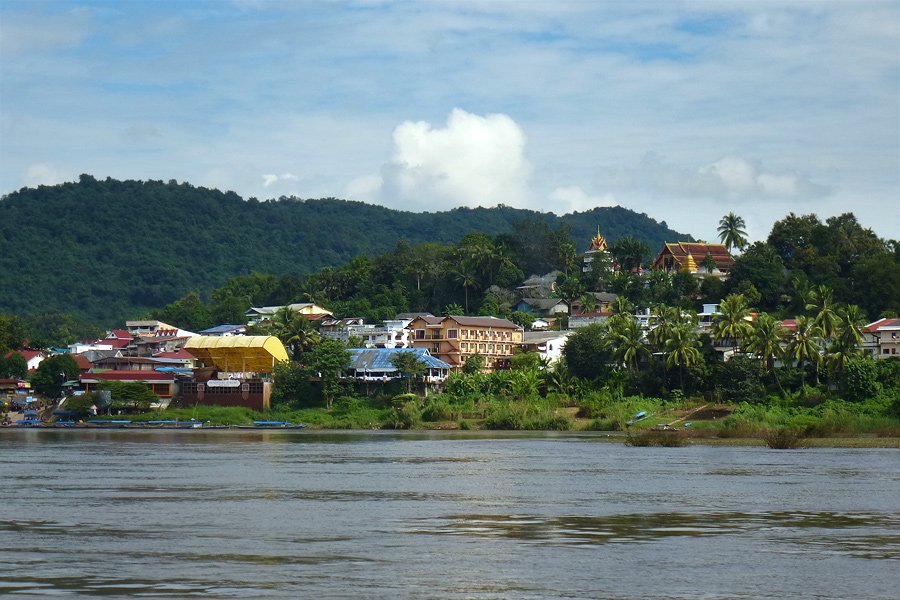
2. Mekong River – The Lifeline of Sayaboury

History
The Mekong River has shaped the history of Sayaboury for thousands of years.
Ancient communities settled along its banks due to fertile soil, abundant fish, and transportation opportunities.
The river facilitated trade between neighboring kingdoms and played a central role in regional development.
Today, the Mekong remains vital to local communities and economic activities.
Visitor Experience
Visitors can enjoy:
- Riverside landscapes
- Boat excursions
- Traditional fishing communities
- Sunset photography
- Scenic river views
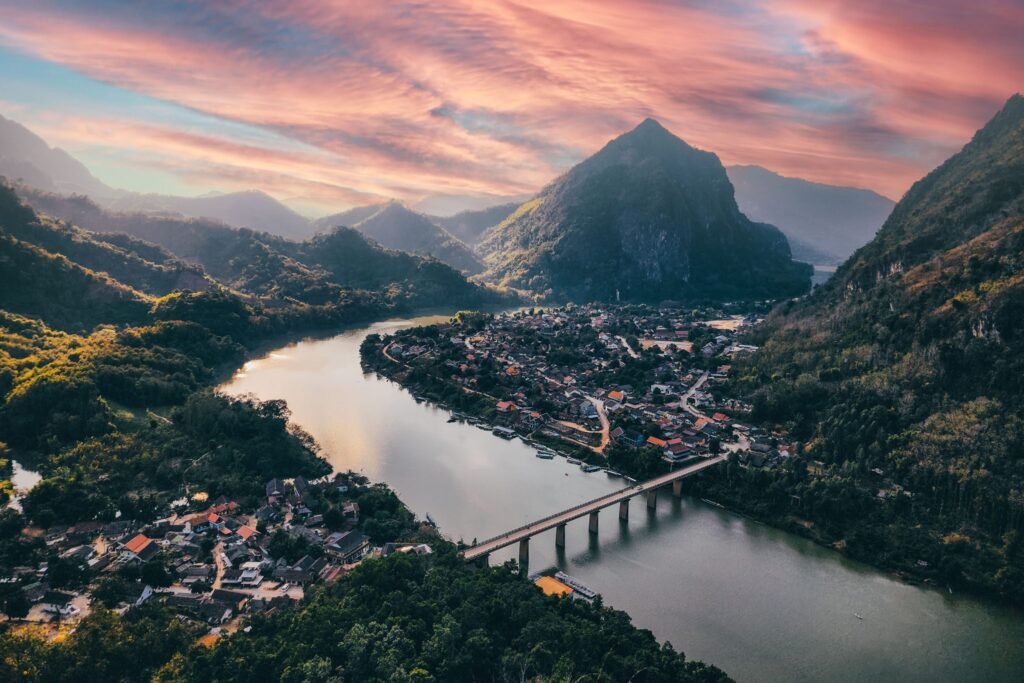
The Mekong offers some of the most beautiful scenery in the province.
3. Nam Phouy National Protected Area – A Wilderness Sanctuary

History
Nam Phouy was established to preserve one of Laos’ most important wildlife habitats.
The forests have supported local communities for generations while providing refuge for numerous animal species.
Historically, these forests played a crucial role in sustaining traditional livelihoods through hunting, gathering, and agriculture.
Conservation programs now focus on protecting biodiversity and endangered species.
Visitor Experience
Visitors can explore:
- Dense forests
- Wildlife habitats
- Nature trails
- Birdwatching areas
- Scenic mountain landscapes
The reserve is a paradise for eco-tourism enthusiasts.
4. Sayaboury Town Market – The Cultural Center of the Province

History
For generations, markets have served as important centers of commerce and social interaction.
Farmers, traders, and artisans from across the province gather here to exchange goods and maintain community relationships.
The market reflects the cultural diversity of the region.
Visitor Experience
Visitors can browse:
- Fresh produce
- Traditional textiles
- Local handicrafts
- Regional foods
- Everyday products
The market provides an authentic glimpse into local life.
5. Ancient Buddhist Temples of Sayaboury
History
Buddhism has influenced life in Sayaboury for centuries.
Temples served not only as places of worship but also as centers of education, community gatherings, and cultural preservation.
Many temples continue to play an important role in local society today.
Visitor Experience
Visitors can admire:
- Traditional architecture
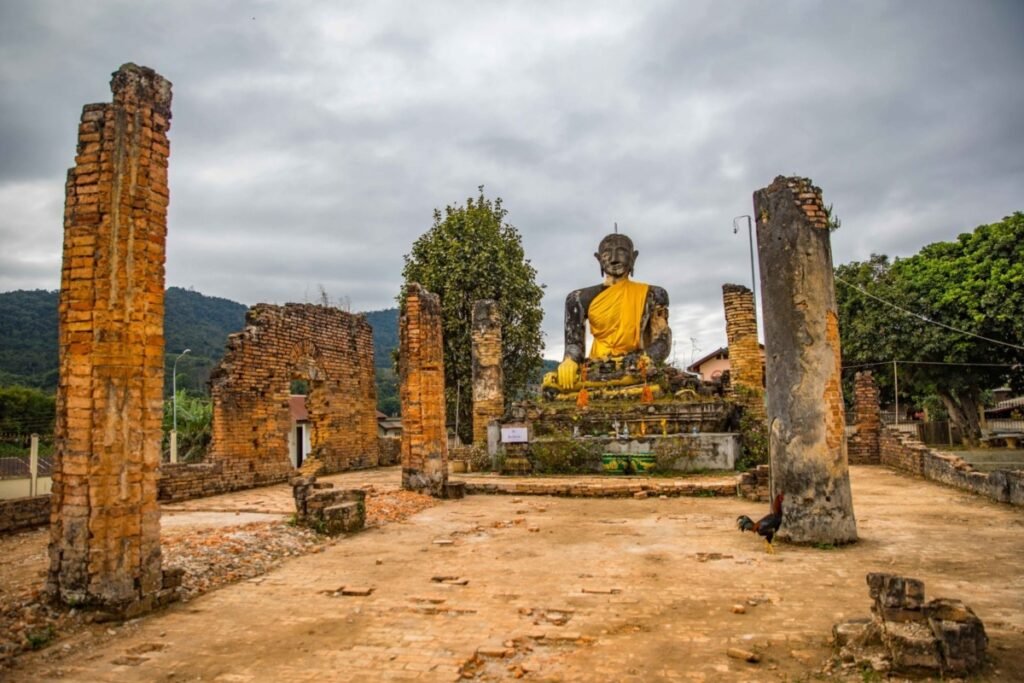
- Sacred Buddha statues
- Religious artwork
- Cultural ceremonies
- Peaceful surroundings
These temples preserve the spiritual heritage of the province.
6. Hongsa District – The Historic Mountain Region

History
Hongsa has long been one of the most important settlements in Sayaboury Province.
Its location along historic trade routes contributed to economic growth and cultural exchange between Laos and neighboring regions.
The district remains known for its scenic mountain landscapes and traditional communities.
Visitor Experience
Visitors can discover:
- Mountain scenery
- Historic villages
- Local culture
- Traditional architecture
- Rural landscapes
The district showcases the province’s rich history and natural beauty.
7. Traditional Elephant Festival Grounds – Celebrating Cultural Heritage
History
The annual Elephant Festival was created to celebrate and preserve the deep relationship between the Lao people and elephants.
The event highlights the historical importance of elephants in agriculture, transportation, and cultural traditions.
The festival has become one of Laos’ most famous cultural celebrations.
Visitor Experience
Visitors can experience:
- Cultural performances
- Traditional ceremonies
- Elephant demonstrations
- Local crafts
- Community celebrations
The festival reflects the unique identity of Sayaboury.
8. Mountain Viewpoints of Sayaboury

History
The mountains surrounding Sayaboury have influenced settlement patterns, trade routes, and local culture for centuries.
These elevated locations served as natural observation points and landmarks for travelers.
Visitor Experience
Visitors can enjoy:
- Panoramic mountain views
- Sunrise photography
- Sunset photography
- Scenic landscapes
- Hiking opportunities
The viewpoints reveal the dramatic beauty of northwestern Laos.
9. Ethnic Minority Villages – Preserving Traditional Lifestyles

History
Sayaboury is home to several ethnic groups that have maintained unique customs and traditions for generations.
These communities developed agricultural systems, crafts, and social structures suited to the region’s mountainous environment.
Their cultural heritage remains an important part of the province’s identity.
Visitor Experience
Visitors can experience:
- Traditional houses
- Cultural ceremonies
- Handicrafts
- Farming practices
- Local hospitality
The villages provide a deeper understanding of Lao cultural diversity.
10. Mekong Sunset Viewpoints – The Most Beautiful Evening Experience
History
For centuries, communities along the Mekong have gathered along the riverbanks at sunset after long days of farming, fishing, and trade.
The tradition continues today as residents and visitors admire the changing colors over the river.
Visitor Experience
Visitors can witness:
- Golden river reflections
- Mountain silhouettes
- Scenic landscapes
- Photography opportunities
- Peaceful surroundings
The sunset views provide a perfect ending to a day in Sayaboury.
Related artical : Best place to visit in Xam Neua