
Now Reading: Best place to visit in Beppu
-
01
Best place to visit in Beppu
Best place to visit in Beppu

Beppu is one of Japan’s most famous and unique travel destinations, renowned worldwide for its extraordinary geothermal activity, therapeutic hot springs, stunning natural scenery, and rich cultural heritage. Located in Oita Prefecture on the eastern coast of Kyushu Island, Beppu is often referred to as the “Hot Spring Capital of Japan.” The city boasts the largest volume of hot spring water in the country and one of the highest volumes in the world, making it a paradise for wellness travelers, nature enthusiasts, and cultural explorers.
For centuries, Beppu has attracted visitors seeking relaxation and healing through its mineral-rich thermal waters. The city’s landscape is characterized by rising steam, bubbling pools, volcanic vents, and geothermal wonders that create an atmosphere unlike anywhere else in Japan. Throughout history, people have traveled from across the nation to experience Beppu’s unique hot spring culture, which remains deeply embedded in daily life.
Today, Beppu combines traditional Japanese hospitality with modern tourism infrastructure, offering visitors countless opportunities to enjoy onsen baths, explore geothermal attractions, discover local cuisine, and learn about one of Earth’s most fascinating natural environments.
1. Beppu’s Eight Hells – The City’s Most Famous Attraction

The legendary Hells of Beppu, known locally as “Jigoku,” are among the most extraordinary geothermal attractions in the world.
Unlike traditional hot springs used for bathing, these spectacular geothermal pools are intended for viewing due to their extreme temperatures. Each Hell possesses unique characteristics, colors, and geological features shaped by volcanic activity beneath the surface.
Among the most famous is Umi Jigoku, or Sea Hell, which features brilliantly blue boiling water resembling a tropical ocean. Another remarkable site is Chinoike Jigoku, known as Blood Pond Hell, famous for its striking red-colored waters created by naturally occurring minerals.
Visitors can explore multiple geothermal sites connected through scenic routes while learning about volcanic geology and local history.
The Hells of Beppu remain one of Japan’s most iconic natural attractions.
2. Beppu Onsen – The Heart of Japanese Bathing Culture

The city is home to the renowned Beppu Onsen network, which includes thousands of hot spring sources scattered throughout the region.
These natural springs produce an enormous volume of geothermal water every day, supplying public bathhouses, private resorts, traditional inns, and community bathing facilities. The mineral-rich waters are believed to offer numerous health benefits and have attracted visitors for generations.
Beppu’s hot spring culture extends beyond tourism. Many residents use public baths as part of their daily routine, preserving traditions that have existed for centuries.
The variety of bathing experiences available in Beppu makes it one of the most important onsen destinations in Japan.
3. Takegawara Onsen – A Historic Symbol of Beppu

Among the city’s most famous bathhouses is Takegawara Onsen.
Originally established in the nineteenth century, the bathhouse is recognized for its distinctive traditional architecture and cultural significance. Visitors can enjoy conventional hot spring baths as well as Beppu’s famous sand baths, where heated sand naturally warmed by geothermal energy is used to cover the body.
The experience is believed to promote relaxation, improve circulation, and relieve fatigue.
Takegawara Onsen remains one of the most beloved symbols of Beppu’s bathing culture.
4. Mount Tsurumi – Panoramic Views Above the City

Towering above the city, Mount Tsurumi offers some of the most breathtaking views in Kyushu.
Visitors can reach the summit via the Beppu Ropeway, which provides spectacular aerial views of forests, mountains, hot spring districts, and the coastline. From the top, panoramic vistas extend across Beppu Bay, Oita City, and the surrounding volcanic landscapes.
The mountain is particularly beautiful during cherry blossom season, autumn foliage, and winter snowfall.
Its accessibility and scenic beauty make it one of the region’s most popular natural attractions.
5. Beppu Bay – The City’s Coastal Treasure

The beautiful Beppu Bay forms an important part of the city’s identity and landscape.
The calm waters provide stunning views, especially during sunrise and sunset when the sky reflects across the bay’s surface. Coastal parks, observation points, and waterfront promenades allow visitors to enjoy the scenery while appreciating the natural beauty of the region.
For centuries, the bay supported fishing, transportation, and trade, contributing significantly to Beppu’s development.
Today, it remains a vital part of the city’s charm and appeal.
6. Kannawa District – The Geothermal Heart of Beppu

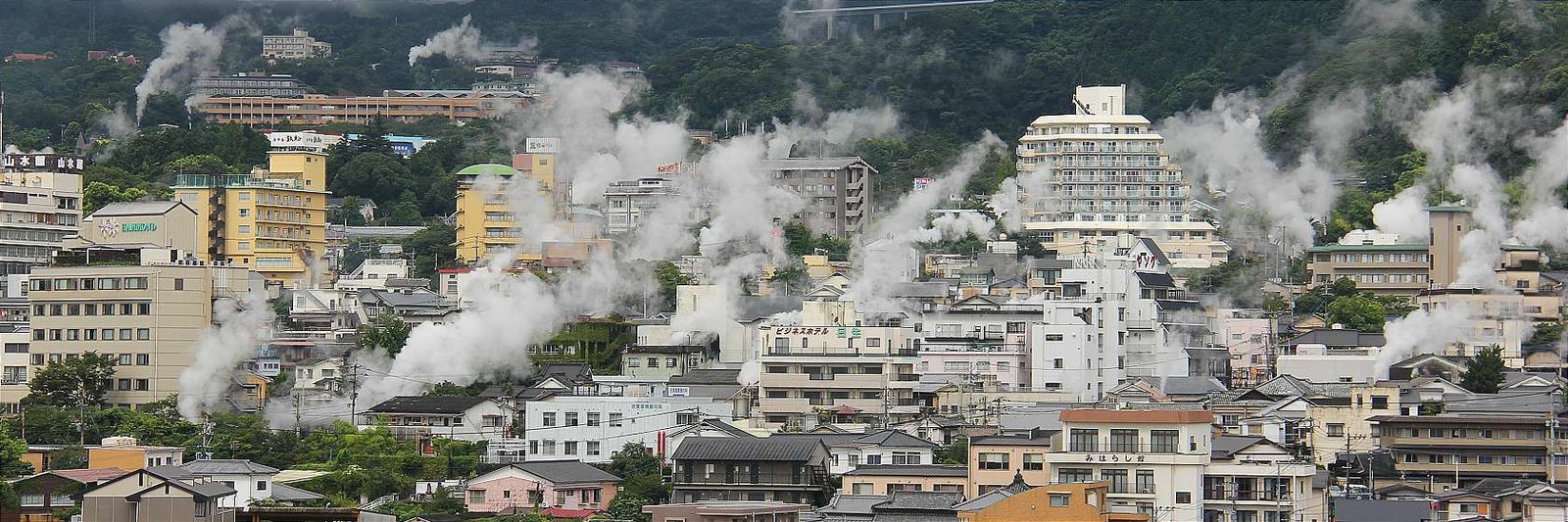
The historic Kannawa district is perhaps the most visually distinctive area of the city.
Steam rises continuously from streets, buildings, vents, and hot spring sources, creating an atmosphere that feels almost otherworldly. Traditional inns, bathhouses, restaurants, and shops line the streets, preserving the character of an old-fashioned hot spring town.
Visitors can stroll through the district while experiencing the sights, sounds, and aromas associated with Beppu’s geothermal environment.
Kannawa remains one of the best places to immerse oneself in authentic onsen culture.
7. Geothermal Cooking – A Unique Culinary Tradition

One of Beppu’s most fascinating culinary traditions is known as Jigoku Mushi, or “Hell Steaming.”
Using naturally occurring geothermal steam, local chefs prepare vegetables, seafood, meat, and eggs without the need for conventional cooking methods. The mineral-rich steam enhances flavors while preserving nutrients and moisture.
Visitors can often participate in the cooking process themselves, selecting ingredients and watching them steam in traditional geothermal facilities.
This unique culinary practice reflects the close relationship between Beppu’s residents and the volcanic environment that surrounds them.
8. Beppu Park – A Green Oasis in the City

Despite its geothermal reputation, Beppu also offers beautiful green spaces such as Beppu Park.
The park features walking paths, gardens, seasonal flowers, and recreational facilities that provide a peaceful escape from the city’s busier tourist areas. Cherry blossoms in spring and colorful foliage in autumn attract visitors throughout the year.
The park demonstrates how nature and urban life coexist harmoniously within the city.
It remains a favorite destination for both residents and travelers.
9. The History of Beppu’s Hot Springs

The use of Beppu’s hot springs dates back more than a thousand years.
Historical records indicate that nobles, monks, warriors, and travelers visited the area to benefit from its therapeutic waters. During the Edo Period, improved transportation networks increased accessibility, helping establish Beppu as one of Japan’s premier wellness destinations.
As tourism expanded during the modern era, the city developed infrastructure while preserving traditional bathing customs.
Today, Beppu remains a living example of Japan’s enduring relationship with natural hot springs and geothermal resources.
10. Modern Beppu – Wellness, Tourism, and Sustainability

Modern Beppu continues to thrive as one of Japan’s most important tourism and wellness destinations.
The city combines traditional onsen culture with contemporary hospitality, educational institutions, environmental initiatives, and international tourism programs. Researchers and scientists also study Beppu’s geothermal systems to better understand sustainable energy and natural resource management.
Visitors today can enjoy luxury resorts, traditional ryokan inns, cultural attractions, outdoor adventures, and some of the world’s most impressive geothermal phenomena.
Beppu’s ability to preserve its heritage while embracing innovation ensures its continued importance as a global destination.
Related artical : Best place to visit in Matsuyama