
Now Reading: Best place to visit in Elbląg
-
01
Best place to visit in Elbląg
Best place to visit in Elbląg

Elbląg is one of northern Poland’s most fascinating historical cities, famous for its Hanseatic heritage, Gothic architecture, medieval Old Town, unique canal system, riverside scenery, and rich maritime history. Located near the Baltic coast in the Warmian-Masurian Voivodeship, Elbląg has served as an important trading and cultural center for centuries.
Founded during the 13th century by the Teutonic Knights, the city quickly developed into major member of the Hanseatic League, the powerful medieval trading network connecting northern European cities. Because of its strategic location near waterways and Baltic trade routes, Elbląg prospered through commerce, shipbuilding, craftsmanship, and international trade.
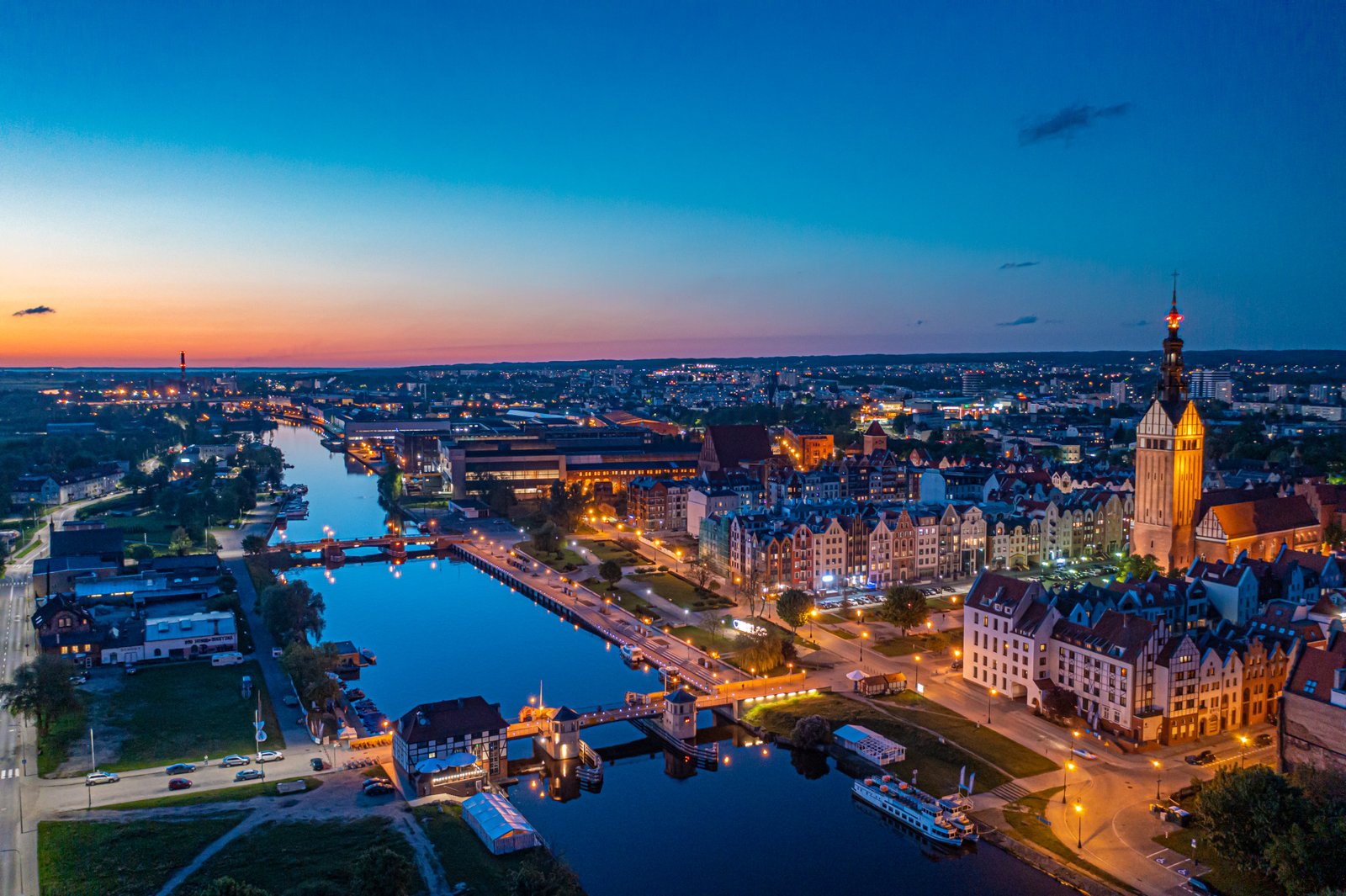
Although much of the city was destroyed during World War II, Elbląg’s historical center has been beautifully reconstructed, blending medieval inspiration with modern architecture. Today, visitors can enjoy charming streets, Gothic churches, museums, riverside promenades, historical gates, and one of Europe’s most unique engineering wonders — the Elbląg Canal.
The city combines Polish history, maritime culture, architectural beauty, and peaceful atmosphere, making it one of Poland’s most underrated travel destinations.
🏛️ 1. Old Town of Elbląg – Rebuilt Medieval Beauty

Elbląg’s Old Town is the historical heart of the city and one of the most interesting reconstruction projects in Poland.
After suffering heavy destruction during World War II, the Old Town was carefully rebuilt using historical plans, archaeological discoveries, and medieval architectural inspiration.
Today, visitors can walk through beautiful cobblestone streets surrounded by colorful merchant houses, Gothic facades, cafes, boutiques, and historical squares.
The reconstruction combines traditional medieval appearance with modern architectural techniques, creating unique urban atmosphere unlike any other city in Poland.
Many buildings contain restaurants, art galleries, museums, and cultural spaces that bring life into the historical center.
Walking through Elbląg’s Old Town feels both historical and modern at the same time, offering fascinating glimpse into the city’s long and resilient history.
⛪ 2. St. Nicholas Cathedral – Gothic Landmark of Elbląg

St. Nicholas Cathedral is one of Elbląg’s most important religious and architectural landmarks.
This magnificent Gothic church dominates the city skyline with its tall brick tower and elegant medieval design.
Originally constructed during the 13th century, the cathedral reflects the city’s Hanseatic prosperity and religious importance.
Inside, visitors can admire vaulted ceilings, stained-glass windows, historical chapels, religious artwork, and peaceful atmosphere.
The cathedral tower offers panoramic views over Elbląg, the surrounding landscapes, and nearby waterways.
Throughout centuries, the church survived wars, political changes, and reconstruction efforts, becoming symbol of the city’s endurance and cultural identity.
The cathedral remains one of the finest examples of Brick Gothic architecture in northern Poland.
🚢 3. Elbląg Canal – Engineering Wonder of Europe

The Elbląg Canal is one of Poland’s most unique and extraordinary attractions.
Built during the 19th century, the canal is internationally famous for its innovative system that allows boats to travel over land using rail tracks and mechanical ramps.
Because of large elevation differences between connected waterways, engineers created special inclined planes that transport boats on platforms across dry land before returning them to the water.
This remarkable engineering achievement remains one of the few operational systems of its kind in the world.
Boat tours along the canal provide unforgettable experience through lakes, forests, wetlands, and peaceful countryside landscapes.
Visitors often consider the canal one of the most fascinating technical monuments in Europe.
The Elbląg Canal beautifully combines engineering, nature, history, and adventure.
⚓ 4. Maritime Heritage & Riverside Atmosphere

Elbląg’s maritime traditions have shaped the city for centuries.
Located near important waterways connected to the Baltic Sea, the city became major center for shipbuilding, trade, and commerce during the Hanseatic era.
Today, riverside promenades, small marinas, bridges, and waterfront cafes create relaxing atmosphere throughout the city.
Visitors can enjoy scenic walks beside the Elbląg River while admiring historical buildings and boats passing through the waterways.
The riverfront becomes especially beautiful during sunset when lights reflect across calm water surfaces.
Elbląg’s connection to water remains deeply visible in its architecture, culture, and local identity.
🏰 5. Market Gate – Medieval Symbol of the City

The Market Gate is one of the few surviving parts of Elbląg’s medieval defensive walls and one of the city’s most iconic historical monuments.
Built during the 14th century, the gate once protected the city from invasions and controlled access into the fortified urban center.
Its massive brick structure reflects the military and commercial importance of medieval Elbląg.
Visitors can climb the tower and enjoy panoramic views over the Old Town and surrounding neighborhoods.
The gate also plays important role in local legends and cultural traditions.
Today, it remains powerful reminder of Elbląg’s Hanseatic past and medieval strength.
Related artical : Best place to visit in Zwolle