Now Reading: Best place to visit in Jūrmala
-
01
Best place to visit in Jūrmala
Best place to visit in Jūrmala

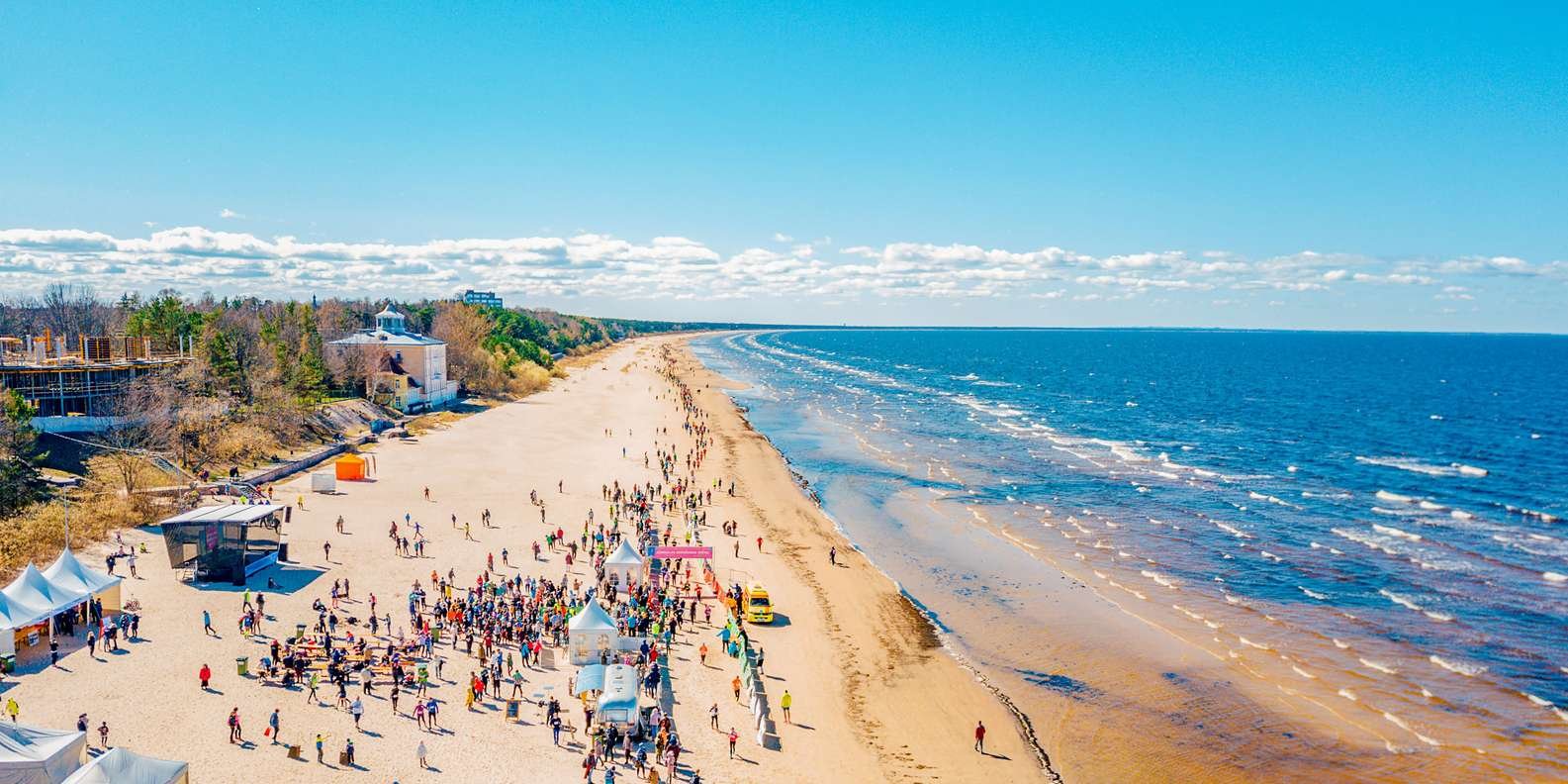
Jūrmala is Latvia’s most famous seaside resort city and one of the premier coastal destinations in the Baltic region. Located just west of Riga along the Gulf of Riga, Jūrmala stretches for more than 30 kilometers along the Baltic Sea and is renowned for its golden sandy beaches, historic wooden villas, mineral springs, pine forests, and relaxing atmosphere.
The history of Jūrmala dates back centuries, when small fishing villages lined the coast. During the nineteenth century, the area developed into a fashionable health resort, attracting aristocrats, artists, and wealthy visitors from across the Russian Empire. The discovery of therapeutic mineral waters and healing sea air further enhanced its reputation as a wellness destination.
Throughout the twentieth century, Jūrmala became one of the most prestigious holiday resorts in the Soviet Union. Today, it remains one of Latvia’s most visited destinations, offering a unique blend of natural beauty, cultural heritage, modern tourism, and wellness traditions.
The following attractions represent the best places to visit in Jūrmala.
1. Jūrmala Beach – The Golden Coast of Latvia

History
Jūrmala Beach has been the city’s greatest natural treasure for centuries.
The long stretch of fine white sand and shallow waters made the coastline attractive to fishermen, traders, and eventually tourists. During the nineteenth century, the beach became a popular destination for visitors seeking relaxation and health benefits from the sea climate.
Today, it is considered one of the finest beaches in Northern Europe.
Visitor Experience
Visitors can enjoy:
- Golden sandy beaches
- Baltic Sea swimming
- Sunbathing areas
- Coastal walks
- Beach sports
- Sunset photography
The beach remains the heart of Jūrmala’s tourism industry.
2. Jomas Street – The Cultural and Social Center

History
Jomas Street developed during the nineteenth century as the main commercial avenue of the growing resort town.
Hotels, restaurants, cafes, and entertainment venues gradually appeared along the street, transforming it into the social heart of Jūrmala.
Over time, it became one of Latvia’s most famous pedestrian streets.
Visitor Experience
Visitors can explore:
- Boutique shops
- Restaurants and cafes
- Historic buildings
- Cultural events
- Street performances
- Local attractions
The street is always lively and full of activity.
3. Dzintari Concert Hall – The Music Icon of Latvia

History
Dzintari Concert Hall has been one of Latvia’s most important cultural venues since the early twentieth century.
The hall hosted famous musicians, orchestras, and international festivals throughout its history. Its unique open-air design allows audiences to enjoy performances surrounded by nature.
Today, it remains a center of Latvian cultural life.
Visitor Experience
Visitors can enjoy:
- Classical music concerts
- Cultural festivals
- Architectural beauty
- Outdoor performances
- Seasonal events
The venue is a must-visit attraction for music lovers.
4. Dzintari Forest Park – Nature in the Heart of the Resort

History
The pine forests of Jūrmala have long contributed to the area’s reputation as a health resort.
Recognizing their value, city planners preserved large forest areas and developed recreational facilities that blended naturally with the environment.
The park remains one of the city’s most popular green spaces.
Visitor Experience
Visitors can enjoy:
- Walking trails
- Observation towers
- Children’s playgrounds
- Cycling paths
- Nature photography
The park offers relaxation and recreation for all ages.
5. Kemeri National Park – Latvia’s Natural Wonderland

History
Established to protect unique wetlands, forests, and mineral springs, Kemeri National Park is one of Latvia’s most important protected areas.
The region became famous during the nineteenth century for its therapeutic mud and mineral water treatments.
Conservation efforts have preserved these natural treasures for future generations.
Visitor Experience
Visitors can explore:
- Bog boardwalks
- Wildlife habitats
- Birdwatching areas
- Forest trails
- Scenic viewpoints
The park is a paradise for nature lovers.
6. Kemeri Sanatorium – The Historic Wellness Landmark

History
The Kemeri Sanatorium became one of the most famous wellness centers in Northern Europe during the twentieth century.
Patients visited from across Europe to benefit from mineral water therapies and medical treatments.
Its impressive architecture reflects the grandeur of Latvia’s spa tradition.
Visitor Experience
Visitors can admire:
- Historic architecture
- Wellness heritage
- Scenic surroundings
- Photography opportunities
- Cultural significance
The building remains one of Latvia’s most iconic landmarks.
7. Lielupe River Promenade – The Waterway of the Resort

History
The Lielupe River played a major role in the development of Jūrmala by supporting fishing, transportation, and recreation.
Its calm waters contributed to the growth of tourism and water sports throughout the region.
Today, it remains one of the city’s most beautiful natural features.
Visitor Experience
Visitors can enjoy:
- Boat excursions
- Waterfront walks
- River scenery
- Photography opportunities
- Recreational activities
The promenade offers peaceful views and relaxation.
8. Jūrmala Open-Air Museum – Preserving Coastal Heritage

History
The museum preserves the traditions of the fishing communities that once dominated the coastline.
Historic boats, fishing equipment, and traditional buildings illustrate daily life before tourism transformed the region.
The museum highlights an important chapter in Jūrmala’s history.
Visitor Experience
Visitors can discover:
- Traditional fishing boats
- Historic houses
- Cultural exhibits
- Maritime heritage
- Educational displays
The museum offers insight into local coastal life.
9. Dubulti Lutheran Church – A Masterpiece of Architecture

History
Built in the early twentieth century, the church became one of Jūrmala’s most recognizable architectural landmarks.
Its distinctive design reflects elements of Art Nouveau and National Romanticism, making it unique among Latvian churches.
The church continues to serve the local community today.
Visitor Experience
Visitors can admire:
- Historic architecture
- Religious artwork
- Peaceful interiors
- Cultural heritage
- Photography opportunities
The church is a hidden gem of Jūrmala.
10. Baltic Sea Sunsets – Nature’s Evening Spectacle

History
For generations, locals and visitors have gathered along the coastline to watch the sun set over the Baltic Sea.
The wide beaches and open horizon create ideal conditions for spectacular sunsets throughout the year.
This daily natural event has become one of Jūrmala’s defining experiences.
Visitor Experience
Visitors can enjoy:
- Stunning sunsets
- Coastal photography
- Relaxing walks
- Ocean views
- Peaceful atmosphere
The sunsets provide a perfect ending to any day in Jūrmala.
Related artical : Best place to visit in Jelgava