
Now Reading: Best place to visit in Kagoshima
-
01
Best place to visit in Kagoshima
Best place to visit in Kagoshima

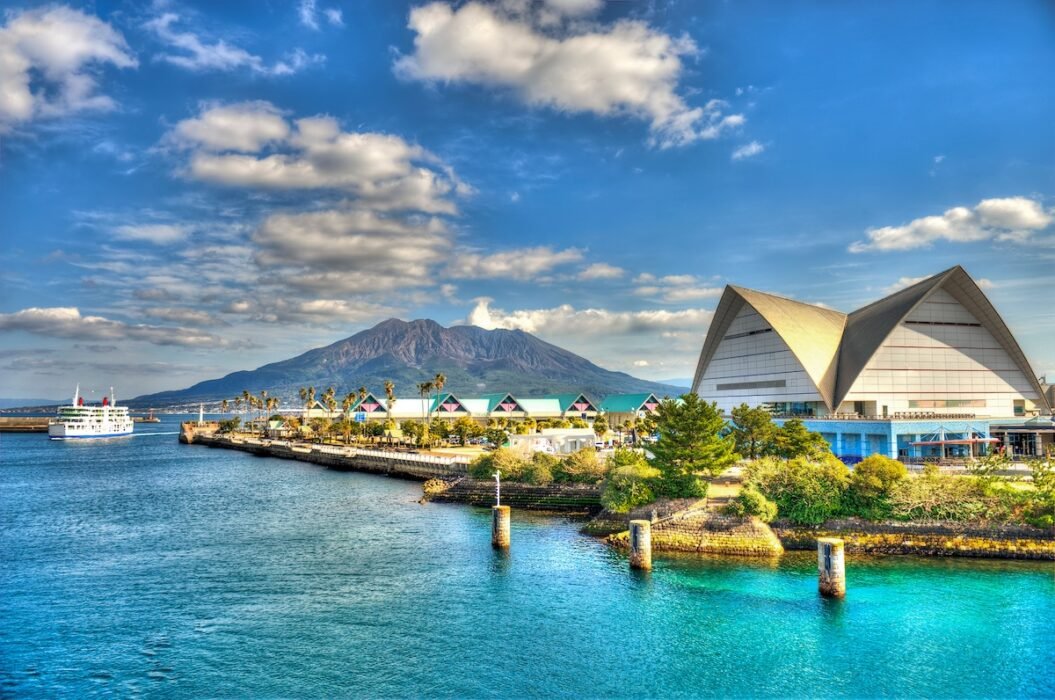
Kagoshima is one of Japan’s most fascinating and historically significant cities. Located at the southern tip of Kyushu Island, Kagoshima serves as the capital of Kagoshima Prefecture and is often referred to as the “Naples of the East” due to its warm climate, beautiful bay, and dramatic volcanic scenery. Dominated by the active volcano Sakurajima, Kagoshima offers visitors a unique combination of natural beauty, rich samurai heritage, modern urban life, and remarkable cultural traditions.
Throughout Japanese history, Kagoshima played a pivotal role in shaping the nation’s future. It was the center of the powerful Satsuma Domain, one of the most influential feudal territories during the Edo period. The city’s leaders and samurai contributed significantly to the Meiji Restoration, the political revolution that transformed Japan from a feudal society into a modern nation during the nineteenth century.
Today, Kagoshima is a thriving city where ancient traditions coexist with innovation and development. Visitors can explore historic gardens, volcanic landscapes, museums, hot springs, coastal scenery, and cultural landmarks while experiencing one of Japan’s most distinctive destinations.
1. Sakurajima – The Symbol of Kagoshima

The iconic Sakurajima is undoubtedly the most famous landmark in the region and one of Japan’s most active volcanoes.
Rising dramatically from Kagoshima Bay, Sakurajima has shaped the city’s landscape, culture, and history for centuries. The volcano frequently produces small eruptions and ash emissions, creating a dynamic natural spectacle visible throughout the city.
Originally an island, Sakurajima became connected to the mainland following a major eruption in 1914 that produced vast lava flows. Today, visitors can explore observation points, hiking trails, lava fields, hot springs, and educational centers dedicated to volcanic science.
The volcano serves as both a symbol of nature’s power and a defining feature of Kagoshima’s identity.
2. Sengan-en Garden – The Legacy of the Shimazu Clan

One of Kagoshima’s most treasured attractions is Sengan-en, a magnificent Japanese landscape garden established in 1658.
Created by the powerful Shimazu family, rulers of the Satsuma Domain, the garden beautifully incorporates Sakurajima and Kagoshima Bay into its design, using the surrounding scenery as a natural backdrop.
Visitors can explore traditional residences, tea houses, ponds, shrines, bamboo groves, and historical exhibits while learning about the influence of the Shimazu clan on Japanese history.
The garden remains one of the finest examples of traditional Japanese landscape architecture.
3. The History of the Satsuma Domain

For centuries, Kagoshima served as the center of the powerful Satsuma Domain, ruled by the influential Shimazu Clan.
The domain controlled much of southern Kyushu and maintained extensive trade networks with neighboring regions and foreign countries. Through strategic leadership and economic strength, Satsuma became one of Japan’s most powerful feudal territories.
Many of the political leaders who guided Japan through the Meiji Restoration originated from Kagoshima. Their efforts helped modernize the nation and establish the foundations of contemporary Japan.
The city’s historical significance continues to attract scholars and history enthusiasts from around the world.
4. Saigo Takamori – The Last Samurai

Kagoshima is closely associated with Saigo Takamori, one of the most revered figures in Japanese history.
Often called “The Last Samurai,” Saigo played a crucial role in overthrowing the Tokugawa Shogunate and helping establish the modern Japanese state. Later, he became a symbol of samurai values and resistance during the Satsuma Rebellion of 1877.
Monuments, museums, and historical sites throughout Kagoshima commemorate his life and achievements. Visitors can learn about his contributions to Japanese history while exploring locations connected to his legacy.
Saigo remains one of the city’s most celebrated historical figures.
5. Shiroyama Park – The Best View of Kagoshima

Perched above the city, Shiroyama Park offers some of the most spectacular views in southern Japan.
The observation deck provides panoramic vistas of Kagoshima City, Kagoshima Bay, and Sakurajima. The park is also historically significant as the site of the final battle of the Satsuma Rebellion.
Walking trails wind through lush forests while historical markers explain important events that occurred there.
The combination of natural beauty and historical importance makes Shiroyama one of Kagoshima’s most visited attractions.
6. Kagoshima Aquarium – Exploring the Waters of Southern Japan

The popular Io World Kagoshima Aquarium showcases the diverse marine ecosystems of southern Japan.
Visitors can observe dolphins, sharks, sea turtles, rays, and countless fish species inhabiting the waters around Kagoshima and the nearby islands. Large viewing tanks recreate local marine environments and provide educational insights into ocean conservation.
The aquarium is particularly popular among families and marine enthusiasts.
Its location along the waterfront further enhances the visitor experience.
7. Kirishima Mountains – Sacred Peaks and Hot Springs

Located north of the city, the Kirishima Mountains form one of Japan’s most beautiful volcanic landscapes.
The mountain range features active volcanoes, crater lakes, hiking trails, forests, and numerous hot spring resorts. According to Japanese mythology, this area is associated with the descent of the gods to Earth.
Visitors can enjoy outdoor adventures while experiencing breathtaking scenery and geological wonders.
The region remains one of Kyushu’s premier destinations for nature lovers.
8. Kagoshima’s Hot Springs and Volcanic Energy

Kagoshima’s volcanic activity has created an abundance of hot springs throughout the region.
These natural thermal waters have attracted visitors for centuries seeking relaxation and health benefits. Numerous resorts and traditional inns offer indoor and outdoor baths with views of mountains, forests, and coastlines.
Many hot spring facilities utilize geothermal energy generated by the region’s volcanic systems, highlighting the close relationship between nature and daily life in Kagoshima.
The onsen culture remains an essential part of the local lifestyle and tourism industry.
9. Kagoshima’s Culinary Heritage

Kagoshima is renowned throughout Japan for its exceptional culinary traditions.
The region is especially famous for Kagoshima Black Pork, prized for its tenderness, flavor, and quality. Other local specialties include fresh seafood, sweet potatoes, premium beef, and traditional distilled spirits known as shochu.
The fertile volcanic soil and favorable climate contribute to the production of high-quality agricultural products that support the local economy.
Food enthusiasts often consider Kagoshima one of Japan’s most rewarding culinary destinations.
10. Yakushima – An Island of Ancient Forests

Off the coast of Kagoshima lies the extraordinary Yakushima, a UNESCO World Heritage Site renowned for its ancient cedar forests.
Some of the island’s trees are believed to be thousands of years old, creating one of the most remarkable natural environments in the world. The island’s lush forests, waterfalls, mountains, and wildlife inspired landscapes featured in Japanese animation and literature.
Visitors can explore hiking trails that pass through pristine ecosystems largely unchanged for centuries.
Yakushima represents one of Japan’s greatest natural treasures and is closely connected to Kagoshima’s tourism and environmental heritage.
Related artical : Best place to visit in Okayama