
Now Reading: Best place to visit in Kaunas
-
01
Best place to visit in Kaunas
Best place to visit in Kaunas

Introduction
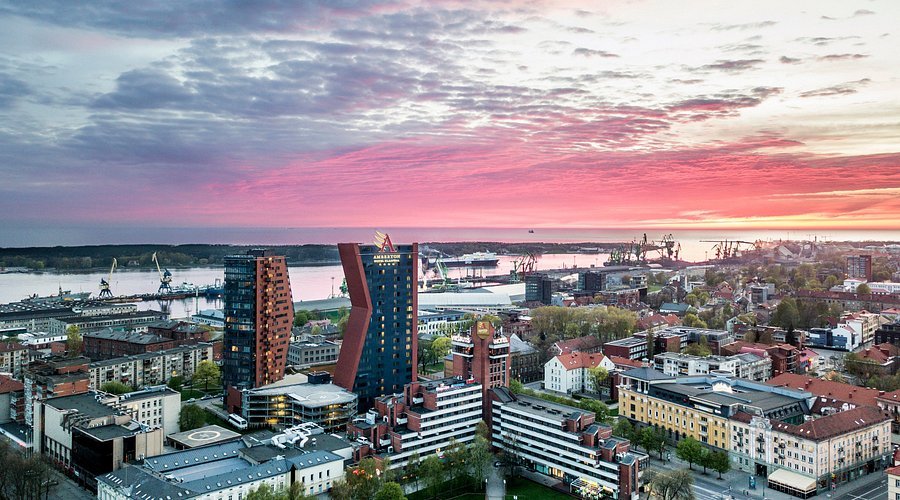
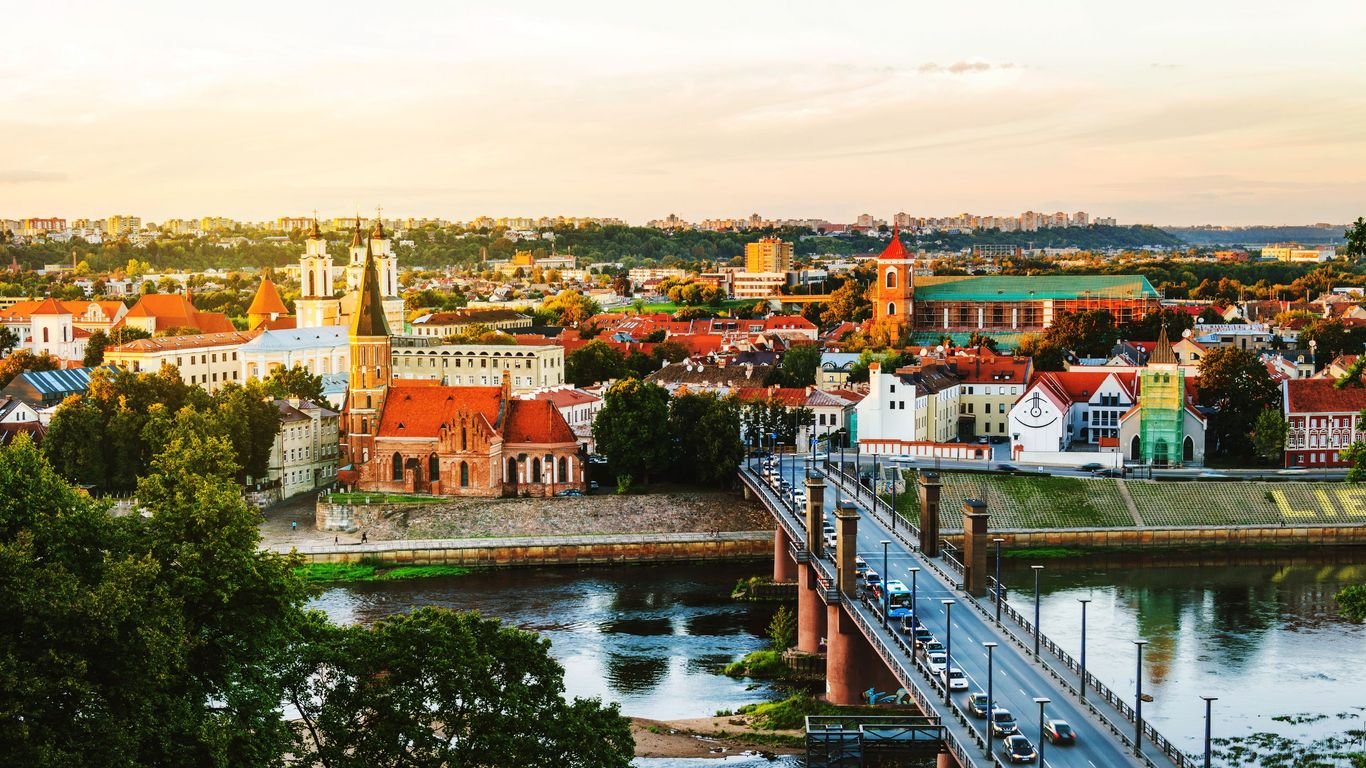
Kaunas is the second-largest city in Lithuania and one of the nation’s most important cultural, historical, and economic centers. Located at the confluence of the Nemunas and Neris rivers, Kaunas has played a crucial role in Lithuania’s development for centuries. Known for its medieval architecture, vibrant arts scene, fascinating museums, and rich national heritage, the city offers visitors a unique blend of tradition and modernity.
Often referred to as the “temporary capital” of Lithuania due to its role between the two World Wars, Kaunas has long been a center of education, politics, commerce, and innovation. The city’s well-preserved Old Town, historic fortifications, grand boulevards, and modern cultural institutions make it one of the most rewarding destinations in the Baltic region.
Today, Kaunas is recognized as one of Europe’s emerging cultural capitals, attracting visitors with its dynamic atmosphere, artistic creativity, and remarkable historical landmarks.
History of Kaunas
The history of Kaunas dates back to the Middle Ages when the city emerged as an important trading center along major river routes. Due to its strategic location, Kaunas became a key commercial and military settlement within the Grand Duchy of Lithuania.
The city gained prominence during the 14th century when defensive fortifications were constructed to protect against attacks by the Teutonic Knights. Throughout the centuries, Kaunas experienced periods of prosperity, conflict, occupation, and renewal.
During the interwar period from 1919 to 1940, Kaunas served as the temporary capital of Lithuania. This era transformed the city into the political, cultural, and economic center of the nation, resulting in significant architectural and urban development.
Today, Kaunas preserves its rich heritage while embracing innovation and modernization, making it one of Lithuania’s most vibrant cities.
1. Kaunas Old Town

A Journey Through Centuries of History
The Kaunas Old Town is one of the most beautiful historic districts in Lithuania.
Its cobblestone streets, colorful buildings, medieval churches, and charming squares create an atmosphere that reflects centuries of European history. Visitors can explore hidden courtyards, artisan shops, cafés, and numerous historical landmarks while enjoying the area’s timeless charm.
The Old Town remains the cultural and historical heart of Kaunas.
It offers a fascinating introduction to the city’s rich past.
2. Kaunas Castle

The City’s Medieval Guardian
The Kaunas Castle is one of Lithuania’s oldest stone castles and a symbol of the city’s medieval heritage.
Constructed during the 14th century, the castle played a crucial role in defending the region against invasions. Although partially reconstructed, it remains an impressive reminder of Lithuania’s military history.
Visitors can explore exhibitions detailing the castle’s history and enjoy panoramic views of the surrounding area.
The landmark remains one of Kaunas’s most popular attractions.
3. Town Hall Square

The Elegant Center of Old Kaunas
The beautiful Town Hall Square serves as one of the city’s most important public spaces.
Dominating the square is the stunning Town Hall, often called the “White Swan” due to its graceful appearance and tall tower. The square hosts festivals, markets, concerts, and cultural events throughout the year.
Surrounded by historic buildings and restaurants, it remains a vibrant gathering place for residents and visitors.
The square perfectly reflects the city’s architectural heritage.
4. Laisvės Alėja (Liberty Avenue)

The Vibrant Heart of Modern Kaunas
Laisvės Alėja is one of the longest pedestrian streets in Europe and serves as the city’s main boulevard.
Lined with cafés, restaurants, boutiques, cultural venues, and historic buildings, the avenue provides a lively atmosphere throughout the year.
Visitors enjoy strolling beneath tree-lined walkways while experiencing the energy of modern Kaunas.
The avenue remains one of the city’s most beloved destinations.
5. Ninth Fort Museum

A Powerful Historical Memorial
The Ninth Fort Museum is one of Lithuania’s most significant historical sites.
Originally built as part of a defensive fortress system, the fort later became a prison and a site of tragic mass executions during World War II.
Today, the museum preserves the memory of these events while educating visitors about Lithuania’s complex history.
Its exhibits provide important insights into the consequences of war and totalitarianism.
6. Pazaislis Monastery

A Baroque Masterpiece
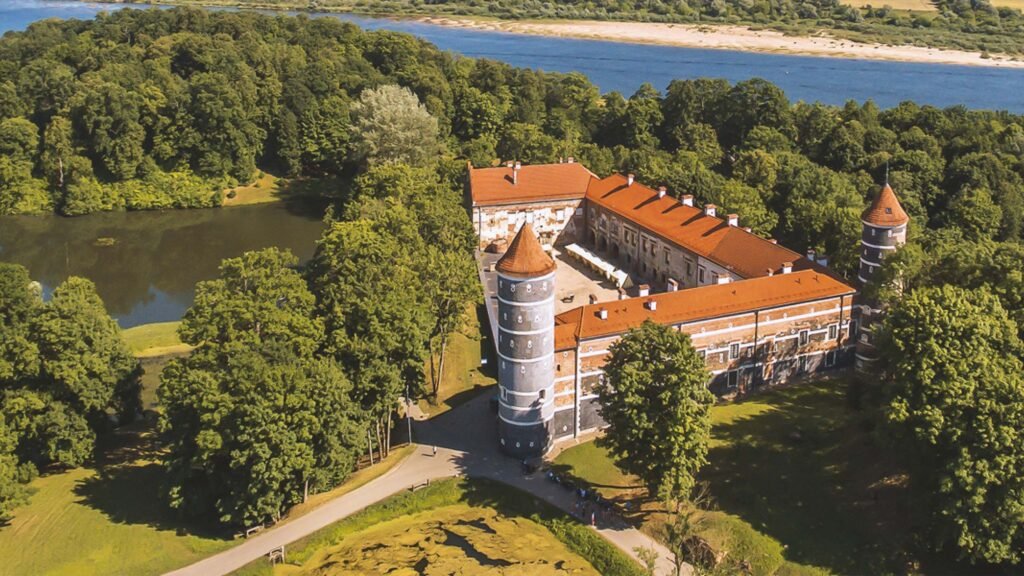
The magnificent Pažaislis Monastery is widely regarded as one of the finest examples of Baroque architecture in Northern Europe.
Built during the 17th century, the monastery features elaborate decorations, impressive frescoes, and beautifully landscaped surroundings.
Visitors are often captivated by its architectural elegance and peaceful atmosphere.
The complex remains one of Lithuania’s greatest cultural treasures.
7. Devil’s Museum

One of the World’s Most Unusual Museums
The Devil’s Museum houses one of the largest collections of devil-themed artworks and artifacts in the world.
Featuring thousands of sculptures, masks, carvings, and paintings from various cultures, the museum offers a fascinating and entertaining experience.
Its unique concept has made it one of Kaunas’s most famous attractions.
Visitors often find the exhibits both educational and surprisingly humorous.
8. Kaunas Reservoir Regional Park

Nature and Recreation Near the City
The Kaunas Reservoir Regional Park offers beautiful landscapes and recreational opportunities.
Visitors can enjoy hiking, cycling, boating, fishing, and wildlife observation while exploring forests, beaches, and lakeside scenery.
The park provides a peaceful escape from urban life and highlights Lithuania’s natural beauty.
It remains a favorite destination for outdoor enthusiasts.
9. Vytautas the Great War Museum

Honoring Lithuania’s Military Heritage
The Vytautas the Great War Museum is one of Lithuania’s most respected cultural institutions.
Its extensive collections explore military history, national identity, and the country’s struggle for independence. Exhibits include historical weapons, uniforms, documents, and artifacts from various periods.
Visitors gain valuable insight into Lithuania’s historical development.
The museum remains an important educational resource.
10. Christ’s Resurrection Basilica

The Largest Church in the Baltic States
The impressive Christ’s Resurrection Basilica is one of the most recognizable landmarks in the city.
Constructed as a symbol of Lithuanian independence and resilience, the church features modern architecture and a large rooftop observation terrace.
Visitors can enjoy spectacular panoramic views of Kaunas from the top of the basilica.
The landmark stands as a powerful symbol of national pride and faith.
Related artical : Best place to visit in Vilnius