
Now Reading: Best place to visit in Klaipėda
-
01
Best place to visit in Klaipėda
Best place to visit in Klaipėda

Introduction
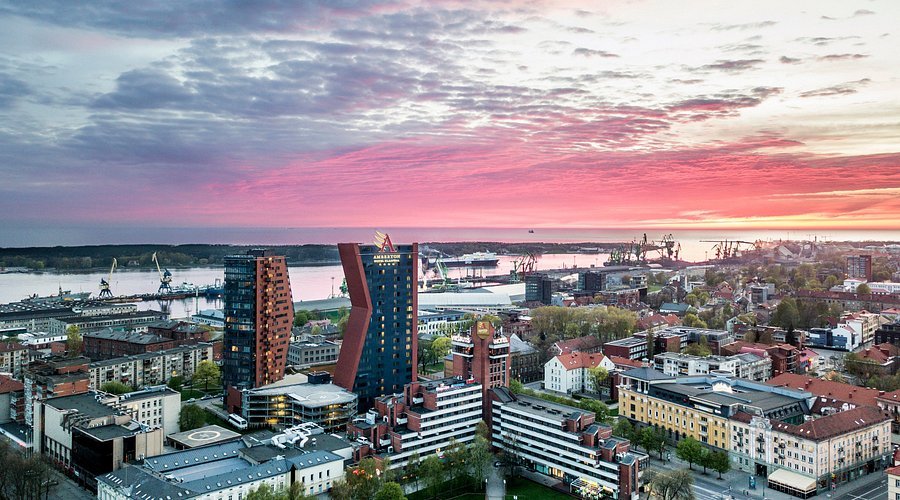
Klaipėda is Lithuania’s oldest city and the country’s only major seaport, located on the eastern coast of the Baltic Sea. Rich in maritime heritage, cultural diversity, and architectural charm, Klaipėda serves as an important economic, cultural, and tourism center for Lithuania. Positioned at the mouth of the Curonian Lagoon, the city has long been a strategic gateway connecting Eastern Europe with Scandinavia, Germany, and other Baltic nations.
Known for its unique blend of German, Lithuanian, and Scandinavian influences, Klaipėda offers visitors a fascinating combination of historic architecture, maritime traditions, modern cultural attractions, and beautiful coastal scenery. Its charming Old Town, bustling harbor, sandy beaches, and vibrant festivals make it one of Lithuania’s most attractive destinations.
Unlike many inland Baltic cities, Klaipėda possesses a distinctly maritime atmosphere. The sea, ships, fishing traditions, and coastal culture are deeply woven into everyday life, creating a unique identity that sets the city apart from the rest of Lithuania.
Today, Klaipėda continues to thrive as a modern port city while preserving the rich historical legacy that has shaped its character for centuries.
History of Klaipėda
The history of Klaipėda dates back to the 13th century when the city was founded by the Teutonic Knights in 1252 under the name Memel. For centuries, it served as an important trading center within the Hanseatic League and later became part of Prussia and Germany.
Due to its strategic location on the Baltic coast, Klaipėda played a significant role in regional commerce, shipbuilding, and maritime defense. Throughout its history, the city experienced periods of prosperity, conflict, occupation, and cultural transformation.
Following World War I and subsequent political changes, Klaipėda became part of Lithuania. The city suffered considerable damage during World War II but was later rebuilt and developed into Lithuania’s primary seaport.
Today, Klaipėda remains a symbol of resilience, cultural diversity, and maritime heritage.
1. Klaipėda Old Town

Exploring the Historic Heart of the City
The Klaipėda Old Town is one of the most charming and historically significant districts in Lithuania.
Featuring narrow cobblestone streets, half-timbered buildings, historic warehouses, and picturesque squares, the area reflects centuries of German and Baltic architectural influence. Visitors can explore cafés, galleries, museums, and boutique shops while enjoying the unique atmosphere of the old city.
The district preserves many traces of Klaipėda’s Hanseatic past.
Walking through the Old Town provides a fascinating journey through the city’s history.
2. Theatre Square

The Cultural Center of Klaipėda
The Theatre Square is the city’s most famous public space and an important gathering place for residents and visitors.
At the center of the square stands the iconic statue of Anne of Tharau, a beloved symbol of Klaipėda. Surrounded by historic buildings and cultural venues, the square hosts concerts, festivals, and public celebrations throughout the year.
The atmosphere combines history, culture, and community life.
It remains one of the city’s most photographed locations.
3. Klaipėda Castle Museum

Discovering the City’s Medieval Origins
The Klaipėda Castle Museum is built on the site of the former Teutonic fortress that gave rise to the city.
Visitors can explore archaeological exhibits, historical artifacts, and interactive displays that tell the story of Klaipėda’s development from a medieval stronghold into a modern seaport.
The museum provides valuable insight into the city’s military, political, and commercial history.
It remains one of Klaipėda’s most important historical attractions.
4. Meridianas Sailing Ship

A Symbol of Maritime Heritage
The Meridianas is one of the city’s most recognizable landmarks.
This beautifully restored sailing vessel is permanently moored along the Dane River and serves as a reminder of Klaipėda’s maritime traditions. Originally built as a training ship, it has become a beloved symbol of the city.
Visitors enjoy photographing the vessel and learning about Lithuania’s seafaring history.
The ship contributes greatly to the city’s nautical atmosphere.
5. Curonian Spit

A UNESCO Natural Wonder
The Curonian Spit is one of the most spectacular natural attractions in the Baltic region.
This narrow sand dune peninsula separates the Curonian Lagoon from the Baltic Sea and is recognized as a UNESCO World Heritage Site. Visitors can explore towering dunes, pine forests, charming fishing villages, and pristine beaches.
The landscape is among the most unique in Europe.
Many travelers consider the Curonian Spit the highlight of any visit to Klaipėda.
6. Smiltynė Beach

Relaxing by the Baltic Sea
The beautiful Smiltynė Beach offers visitors a peaceful coastal retreat.
Accessible by ferry from Klaipėda, the beach features soft golden sand, clear waters, and scenic natural surroundings. During summer, it becomes a popular destination for swimming, sunbathing, and outdoor recreation.
The beach showcases the beauty of Lithuania’s Baltic coastline.
Its unspoiled environment attracts nature lovers and families alike.
7. Lithuanian Sea Museum

Celebrating Maritime Life
The Lithuanian Sea Museum is one of Lithuania’s most popular family attractions.
Located within a historic coastal fortress, the museum features marine exhibits, aquariums, maritime history displays, and educational programs. Visitors can learn about Baltic marine ecosystems and Lithuania’s relationship with the sea.
The museum combines entertainment with education.
It remains a major attraction for visitors of all ages.
8. Dane River Waterfront

The Scenic Heart of the City
The waterfront along the Dane River is one of Klaipėda’s most attractive urban spaces.
Visitors can stroll along scenic promenades, admire historic ships, enjoy outdoor dining, and observe harbor activity. The waterfront beautifully connects the city’s maritime heritage with modern urban life.
The area is particularly popular during festivals and summer evenings.
It remains a favorite gathering place for residents and tourists.
9. Sculpture Park

Art in an Open-Air Setting
The Sculpture Park is one of the city’s most unique cultural attractions.
Featuring numerous works by Lithuanian artists, the park combines artistic expression with natural beauty. Visitors can explore walking paths while discovering sculptures representing different styles and themes.
The park contributes significantly to Klaipėda’s cultural identity.
It offers a peaceful environment for both relaxation and artistic appreciation.
10. Klaipėda Port

Lithuania’s Gateway to the World
The Port of Klaipėda is the largest and most important seaport in Lithuania.
For centuries, the harbor has served as a center of trade, transportation, shipbuilding, and international commerce. Today, it remains one of the busiest ports on the Baltic Sea and a key driver of the national economy.
Visitors can observe maritime operations and appreciate the importance of the port to Lithuania’s development.
The harbor remains central to Klaipėda’s identity.
Related artical : Best place to visit in Kaunas