
Now Reading: Best place to visit in Rehovot
-
01
Best place to visit in Rehovot
Best place to visit in Rehovot

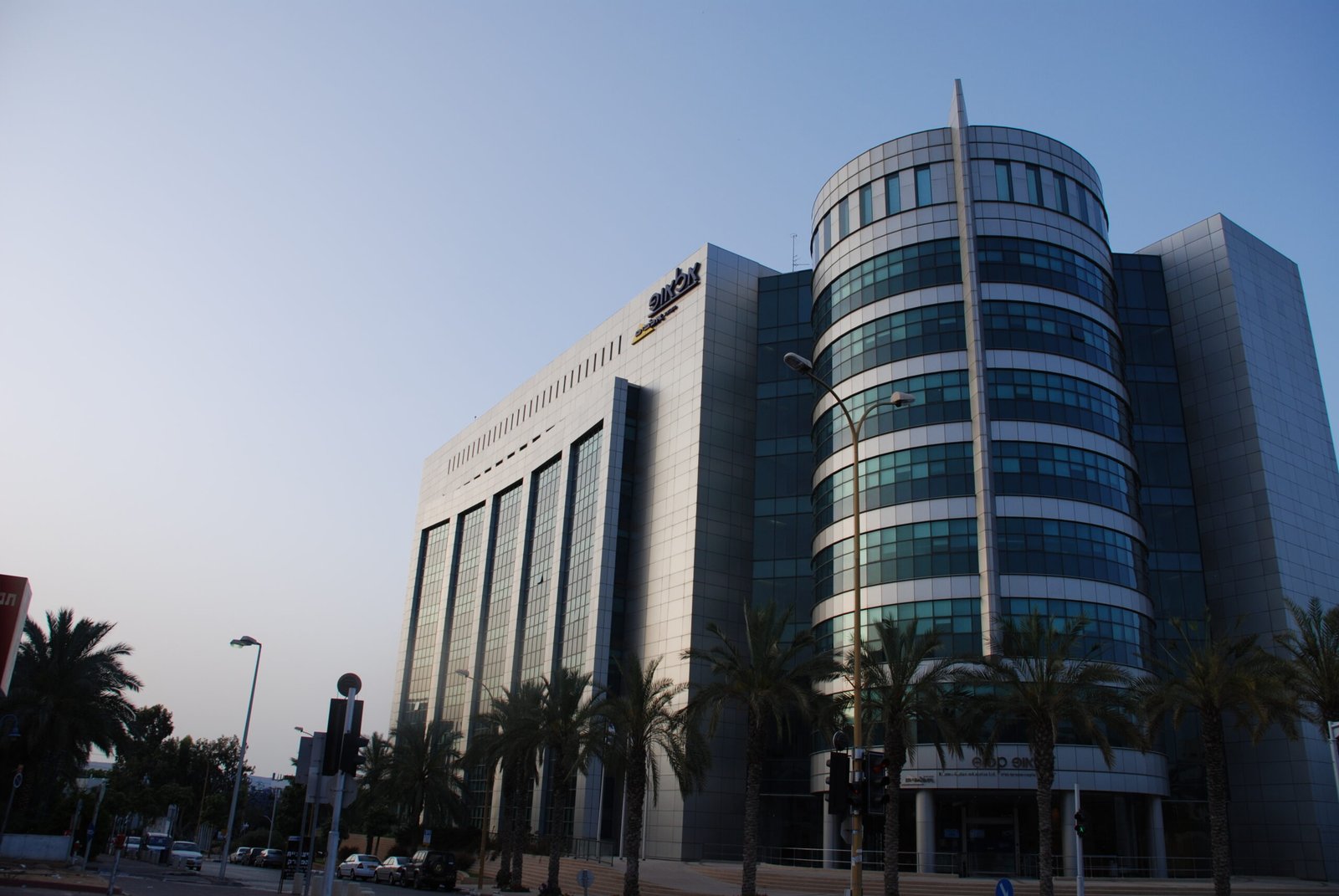
Rehovot is one of Israel’s most important scientific, educational, and cultural centers. Located approximately 20 kilometers south of Tel Aviv, Rehovot is internationally recognized for groundbreaking scientific research, prestigious educational institutions, historic citrus orchards, and a vibrant urban atmosphere.
Founded in 1890, Rehovot has evolved from a small agricultural settlement into one of the country’s leading centers of innovation and technology. The city is home to world-renowned research institutions, advanced laboratories, beautiful parks, museums, and historic landmarks that reflect its remarkable journey through history.
Often called the “City of Science,” Rehovot attracts researchers, students, entrepreneurs, and visitors from around the globe. The city’s unique combination of scientific excellence, historical heritage, and modern development makes it one of Israel’s most fascinating destinations.
Whether you are interested in history, science, education, nature, or culture, Rehovot offers an unforgettable travel experience.
History of Rehovot – From Citrus Fields to Global Innovation Hub
Rehovot was established in 1890 by Jewish settlers seeking to create an independent agricultural community. The name “Rehovot” means “wide spaces” and was inspired by a biblical passage symbolizing growth and prosperity.
In its early years, the city’s economy depended heavily on agriculture, particularly citrus farming. Rehovot’s oranges became famous internationally and contributed significantly to the region’s economic development.
During the 20th century, the city expanded rapidly and became a major center for scientific research and higher education. The establishment of leading research institutions transformed Rehovot into one of the most important knowledge centers in Israel.
Today, Rehovot stands as a symbol of innovation, education, and scientific achievement while maintaining strong connections to its agricultural heritage.
1. Weizmann Institute of Science – One of the World’s Leading Research Centers

Weizmann Institute of Science is one of the world’s most prestigious scientific research institutions.
Founded in 1934, the institute has become internationally renowned for breakthroughs in biology, chemistry, physics, mathematics, computer science, and medicine.
Visitors can explore the beautiful campus, scientific exhibits, research facilities, botanical gardens, and educational centers that showcase cutting-edge discoveries.
Many Nobel Prize-winning scientists and internationally respected researchers have been associated with the institute.
Its contributions to science and technology have had a profound impact on global research and innovation.
2. Clore Garden of Science – Learning Through Discovery

Clore Garden of Science is the world’s first outdoor science museum.
The attraction features interactive exhibits that allow visitors to explore scientific concepts through hands-on experimentation and observation.
Topics include physics, astronomy, energy, engineering, mathematics, and environmental science.
Families, students, and science enthusiasts can learn while participating in engaging activities designed to make science accessible and enjoyable.
The garden reflects Rehovot’s reputation as Israel’s scientific capital.
3. Ayalon Institute – Secret Factory of Israel’s Independence

Ayalon Institute is one of Israel’s most fascinating historical sites.
During the years before Israeli independence, the underground facility secretly produced ammunition for Jewish defense forces.
Hidden beneath a kibbutz, the factory operated in complete secrecy while appearing to be an ordinary agricultural settlement above ground.
Visitors can tour the underground complex and learn about the ingenuity, courage, and determination of those involved in the operation.
The site offers a unique insight into a critical chapter of Israeli history.
4. Weizmann House – Home of Israel’s First President

Weizmann House was the residence of Chaim Weizmann, one of the most influential figures in modern Israeli history.
The elegant home has been preserved as a museum showcasing the life, achievements, and legacy of Weizmann.
Visitors can explore beautifully furnished rooms, historical artifacts, photographs, and exhibits detailing his contributions to science and politics.
The property is surrounded by attractive gardens that enhance the visitor experience.
It remains one of Rehovot’s most important historical landmarks.
5. Rehovot Citrus Orchard Heritage Sites

The citrus orchards of Rehovot played a vital role in the city’s development and remain an important part of its identity.
Visitors can learn about traditional farming techniques, irrigation systems, agricultural innovation, and the history of citrus cultivation in the region.
The orchards symbolize the pioneering spirit of the city’s founders and their commitment to agricultural success.
Many heritage sites preserve this important chapter of local history.
The agricultural legacy continues to influence Rehovot’s cultural identity today.
6. Oppenheimer Park – A Green Escape in the City

Oppenheimer Park is one of the city’s most popular recreational areas.
The park offers walking trails, playgrounds, gardens, sports facilities, and picnic spaces for visitors of all ages.
Families gather here throughout the year to enjoy outdoor activities and community events.
The park contributes significantly to the city’s quality of life and environmental sustainability.
Its peaceful atmosphere makes it a favorite destination among residents.
7. Rehovot Market – Experience Local Culture

Rehovot Market offers visitors an authentic glimpse into daily life in the city.
The market features fresh produce, spices, baked goods, local delicacies, clothing, and household items.
Visitors can interact with local vendors, sample traditional foods, and experience the city’s vibrant multicultural atmosphere.
The market remains an important center of commerce and social interaction.
Its lively environment provides an enjoyable cultural experience.
8. Kaplan Science Park – Modern Innovation and Research

Rehovot is home to numerous technology companies, biotechnology firms, research laboratories, and innovation centers.
The city’s science and technology districts contribute significantly to Israel’s reputation as the “Startup Nation.”
Visitors interested in science, entrepreneurship, and innovation can learn about industries shaping the future.
The concentration of research and development activities makes Rehovot one of Israel’s most important knowledge-based economies.
Its scientific community continues to drive technological advancement.
9. Beit Miriam Museum – Preserving Local History

Beit Miriam Museum preserves the history and heritage of the city and surrounding region.
The museum features historical documents, photographs, archaeological artifacts, and exhibits exploring local development and community life.
Visitors can gain valuable insight into Rehovot’s transformation from an agricultural settlement into a major scientific center.
The museum plays an important role in preserving local memory and identity.
Its collections offer a fascinating perspective on regional history.
10. Food, Culture, and Lifestyle in Rehovot

Rehovot offers a vibrant culinary scene featuring Mediterranean cuisine, Middle Eastern specialties, international restaurants, cafés, bakeries, and modern dining establishments.
Visitors can enjoy fresh seafood, hummus, falafel, shawarma, artisan pastries, local wines, and innovative culinary creations inspired by the city’s diverse population.
The city also hosts cultural festivals, science events, art exhibitions, concerts, educational programs, and community celebrations throughout the year.
Its youthful atmosphere, driven by students, researchers, and professionals, contributes to a lively and welcoming environment.
Related artical : Best place to visit in Ashkelon