
Now Reading: Best place to visit in Saitama
-
01
Best place to visit in Saitama
Best place to visit in Saitama

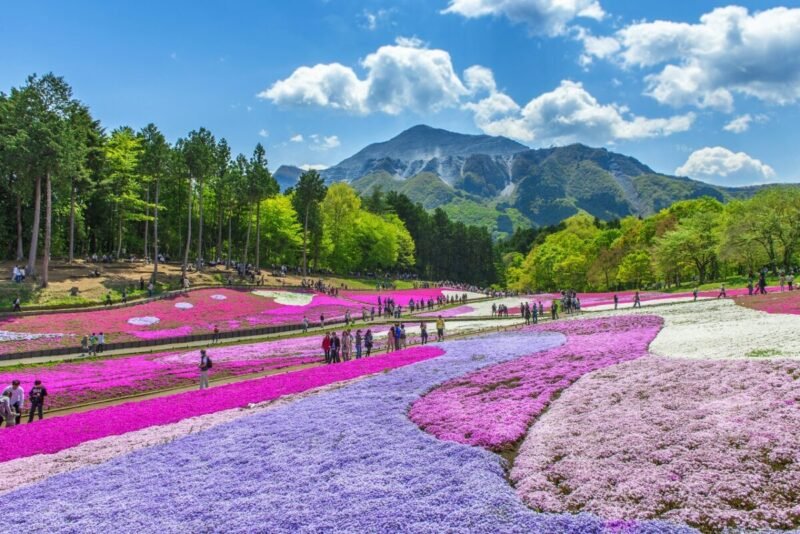
Saitama is one of Japan’s most dynamic and rapidly developing cities, serving as the capital of Saitama Prefecture and an important part of the Greater Tokyo metropolitan area. Located just north of Tokyo, Saitama has transformed from a collection of historic towns and rural communities into a thriving modern city that combines advanced urban development with rich cultural heritage and beautiful natural landscapes.
Although often associated with its proximity to Tokyo, Saitama possesses a distinct identity shaped by centuries of history, traditional festivals, scenic parks, and vibrant local culture. The city officially came into existence in 2001 through the merger of several municipalities, including Urawa, Omiya, and Yono, creating one of Japan’s largest urban centers.
Today, Saitama is recognized for its excellent quality of life, advanced transportation networks, cultural attractions, sports facilities, and educational institutions. Visitors can explore historic shrines, railway museums, expansive parks, modern shopping districts, and traditional neighborhoods while enjoying easy access to both urban and natural attractions.
The city’s blend of innovation, history, and community spirit makes it one of Japan’s most interesting yet often overlooked destinations.
1. Omiya Bonsai Village – The Heart of Japanese Bonsai Culture

One of Saitama’s most unique attractions is Omiya Bonsai Village, a world-renowned center dedicated to the art of bonsai cultivation.
Established during the early twentieth century, the village became home to master bonsai growers who relocated from Tokyo following the Great Kanto Earthquake. Today, visitors can explore traditional bonsai nurseries, museums, and gardens that showcase some of the world’s finest miniature trees.
The nearby Omiya Bonsai Art Museum provides fascinating insights into the history, techniques, and cultural significance of bonsai.
The village remains an important destination for gardening enthusiasts, artists, and anyone interested in Japanese traditions.
2. The Railway Museum – A Journey Through Japan’s Transportation History

The remarkable The Railway Museum is one of Japan’s most popular and educational attractions.
Dedicated to the history and future of rail transportation, the museum features dozens of historic locomotives, bullet trains, and interactive exhibits that illustrate the development of Japan’s world-famous railway network.
Visitors can explore full-size train cars, operate simulators, learn about engineering innovations, and experience hands-on educational activities suitable for all ages.
The museum highlights the crucial role railways have played in Japan’s modernization and economic development.
3. Hikawa Shrine – A Sacred Landmark with Ancient Origins

Founded more than 2,000 years ago, Musashi Ichinomiya Hikawa Shrine is one of the oldest and most important Shinto shrines in the region.
The shrine is surrounded by towering trees and peaceful pathways that create a tranquil atmosphere despite its urban location. Visitors pass through impressive torii gates before reaching the main sanctuary, where worshippers continue traditions that have endured for centuries.
The shrine hosts numerous festivals and ceremonies throughout the year and remains a significant spiritual center for local communities.
Its historical importance and serene environment make it one of Saitama’s most treasured landmarks.
4. Omiya Park – Saitama’s Most Beloved Green Space

The beautiful Omiya Park is one of the city’s most popular recreational areas.
Known for its seasonal beauty, the park features walking paths, ponds, gardens, museums, and sports facilities. During spring, thousands of cherry blossom trees attract visitors from across the region, while autumn transforms the park into a colorful landscape of red and gold foliage.
Families, joggers, photographers, and nature enthusiasts visit throughout the year to enjoy its peaceful atmosphere.
The park serves as an important gathering place and showcases Saitama’s commitment to preserving green spaces.
5. Saitama Super Arena – One of Japan’s Premier Event Venues

The impressive Saitama Super Arena is one of the largest and most technologically advanced indoor arenas in the country.
Known for its innovative movable seating system, the venue hosts international sporting events, concerts, exhibitions, conventions, and cultural performances. Over the years, it has welcomed some of the world’s biggest athletes, musicians, and entertainers.
Its modern design and versatility have made it a symbol of contemporary Saitama and an important center for entertainment and sports.
The arena attracts millions of visitors annually and contributes significantly to the city’s cultural life.
6. Kawagoe – The Little Edo of Saitama

A short distance from central Saitama lies Kawagoe, often called “Little Edo” due to its beautifully preserved historic district.
The city flourished during the Edo period as an important commercial center and retains many traditional warehouses, merchant houses, and historic streets that transport visitors back in time.
Highlights include the famous Bell Tower, traditional sweet shops, temples, shrines, and cultural festivals that celebrate the region’s heritage.
Kawagoe offers one of the best opportunities near Tokyo to experience the atmosphere of old Japan.
7. Saitama Stadium 2002 – Home of Japanese Football


Sports enthusiasts recognize Saitama Stadium 2002 as one of Asia’s finest football venues.
Built for the 2002 FIFA World Cup, the stadium has hosted numerous international matches and remains home to the famous Urawa Red Diamonds.
With a seating capacity exceeding 60,000 spectators, the stadium is known for its passionate fans and electrifying atmosphere.
The venue continues to play a significant role in Japan’s sporting culture.
8. Akigase Park – Nature Along the Arakawa River

Located along the banks of the Arakawa River, Akigase Park is one of the region’s most important natural areas.
The park features wetlands, forests, cycling paths, sports facilities, and wildlife habitats that support numerous bird species and native plants. Visitors enjoy outdoor activities while appreciating the area’s ecological significance.
The park provides a refreshing escape from urban life and demonstrates the importance of environmental conservation within metropolitan regions.
Its natural beauty attracts nature enthusiasts throughout the year.
9. Saitama City Museum – Exploring Local Heritage

The informative Saitama City Museum offers visitors a deeper understanding of the region’s history and cultural development.
Exhibits explore archaeology, traditional lifestyles, local industries, historical events, and the transformation of Saitama into a modern urban center. Artifacts, documents, and interactive displays provide valuable educational experiences.
The museum helps preserve the city’s heritage while connecting residents and visitors to its rich past.
It serves as an important cultural institution within the community.
10. Urawa District – The Cultural and Administrative Center

The vibrant Urawa district serves as the administrative and cultural heart of the city.
Known for its educational institutions, museums, shopping areas, restaurants, and public facilities, Urawa combines modern urban development with strong community traditions. The district has long been recognized for its emphasis on education and culture, contributing significantly to Saitama’s reputation for high quality of life.
Visitors can explore modern cityscapes while enjoying parks, cultural attractions, and local cuisine.
Urawa represents the dynamic and forward-looking character of contemporary Saitama.
Saitama is a city where tradition, innovation, culture, and nature come together to create a unique urban experience. From the ancient spirituality of Hikawa Shrine and the artistic heritage of Omiya Bonsai Village to world-class museums, sporting venues, and historic districts, the city offers visitors an impressive variety of attractions. Often overshadowed by nearby Tokyo, Saitama rewards travelers with authentic experiences, rich history, beautiful landscapes, and a welcoming atmosphere that showcases another fascinating side of Japan.
Related artical : Best place to visit in Kawasaki