
Now Reading: Best place to visit in Stralsund
-
01
Best place to visit in Stralsund
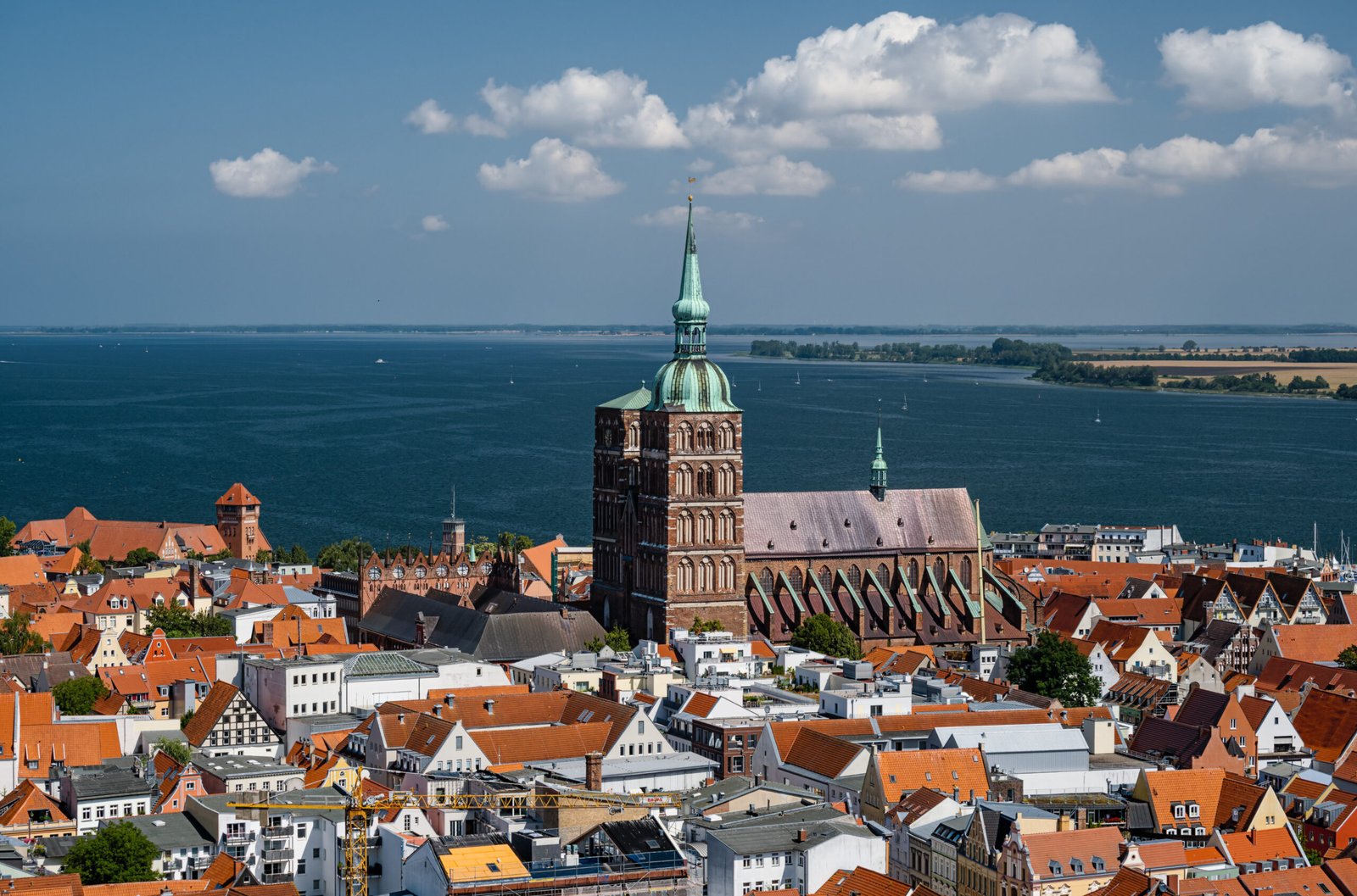
Best place to visit in Stralsund
🏛️ 1. Stralsund Old Town – UNESCO Medieval Masterpiece

Stralsund Old Town is one of the best-preserved medieval city centers in northern Europe and was recognized as a UNESCO World Heritage Site together with Wismar because of its outstanding Hanseatic architecture and historical importance.
Walking through the old town feels like entering a medieval storybook. Cobblestone streets, colorful merchant houses, Gothic churches, historical squares, and narrow alleys create unforgettable scenery throughout the city.
The architecture reflects Stralsund’s former wealth and power during the Hanseatic era when merchants traded goods across the Baltic Sea and northern Europe.
Beautifully restored buildings preserve centuries of history while cafes, restaurants, museums, and local shops add modern energy to the historical surroundings.
The old town is especially magical during sunset and winter evenings when warm lights illuminate the Gothic facades and narrow streets.
Every corner of Stralsund reveals another piece of medieval maritime history.
⛪ 2. St. Nicholas Church – Gothic Wonder of the Hanseatic Era

St. Nicholas Church is one of Stralsund’s most important architectural treasures and one of the finest examples of Brick Gothic architecture in northern Germany.
Built during the 13th century, the church served as the spiritual center for merchants and sailors connected to the Hanseatic League.
The enormous interior contains magnificent altars, medieval artwork, chandeliers, sculptures, stained-glass windows, and impressive religious decorations that reflect centuries of craftsmanship and devotion.
Visitors are often amazed by the towering ceilings and peaceful atmosphere inside the church.
Throughout history, St. Nicholas Church witnessed important political, religious, and cultural events that shaped the development of Stralsund.
Today, the church remains one of the city’s greatest historical landmarks and cultural attractions.
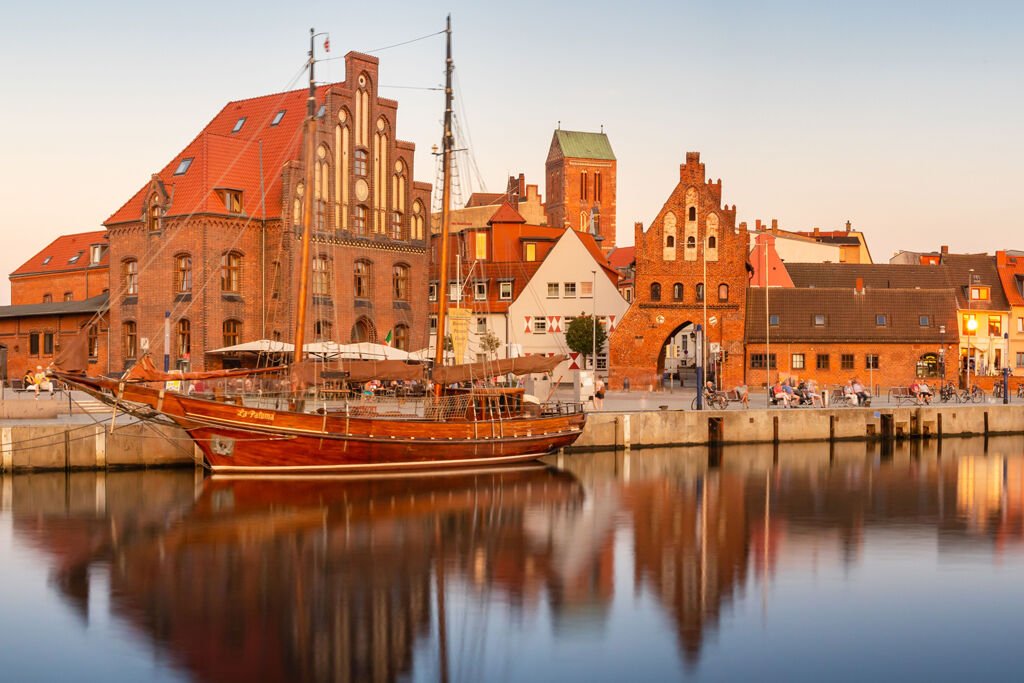
⚓ 3. Stralsund Harbor – Maritime Beauty & Waterfront Life

The harbor is the maritime heart of Stralsund and one of the city’s most scenic attractions. For centuries, ships arriving here carried goods from across Europe and helped transform Stralsund into a powerful trading center.
Today, the harbor remains lively with sailing boats, fishing vessels, ferries, cruise ships, and waterfront promenades filled with restaurants and cafes.
Visitors can enjoy peaceful walks beside the Baltic Sea while admiring historical ships and beautiful coastal scenery.
The harbor area also offers boat tours and excursions to nearby islands including the famous island of Rügen.
Fresh seafood restaurants near the waterfront serve traditional Baltic dishes while providing relaxing views across the sea.
Sunset reflections across the harbor create especially breathtaking scenery perfect for photography.
The harbor perfectly captures Stralsund’s maritime identity and coastal atmosphere.
🐠 4. Ozeaneum – Germany’s Famous Ocean Museum

The Ozeaneum is one of Germany’s most famous museums and a major attraction in Stralsund. This modern ocean museum focuses on marine life, Baltic Sea ecosystems, environmental science, and underwater exploration.
Visitors can explore enormous aquariums filled with sharks, rays, jellyfish, schools of fish, and marine species from the Baltic Sea, North Sea, and Atlantic Ocean.
Interactive exhibitions explain ocean conservation, climate change, marine biodiversity, and underwater ecosystems in educational and visually stunning ways.
Families and children especially enjoy the museum’s realistic displays and fascinating sea creatures.
The rooftop observation area also provides beautiful views across Stralsund Harbor and the Baltic coastline.
The Ozeaneum perfectly combines science, education, and entertainment while highlighting the importance of marine conservation.
🏰 5. Stralsund Town Hall – Symbol of Hanseatic Power

The Stralsund Town Hall is one of the city’s most famous landmarks and an extraordinary example of medieval Hanseatic architecture.
Located in the Old Market Square, the building’s impressive Gothic facade, arches, decorative brickwork, and towers reflect the wealth and influence of Stralsund during the Middle Ages.
Historically, the Town Hall served as the center of political and commercial life where merchants and city leaders made important decisions connected to Baltic trade.
The surrounding square remains lively with cafes, local events, markets, and cultural celebrations throughout the year.
Visitors enjoy photographing the elegant architecture while learning about the city’s Hanseatic history.
The Town Hall remains one of Stralsund’s proudest historical monuments.
🌉 6. Rügen Bridge & Gateway to Germany’s Largest Island

Stralsund is known as the gateway to the famous island of Rügen, Germany’s largest island and one of the country’s most popular coastal destinations.
The impressive Rügen Bridge connects the mainland city with the island across beautiful Baltic Sea waters.
Many travelers stay in Stralsund before exploring Rügen’s beaches, chalk cliffs, forests, and seaside resorts.
The bridge itself offers beautiful engineering and scenic views across the sea and coastline.
Because of its strategic location, Stralsund has long served as an important transportation and maritime hub in northern Germany.
The connection to Rügen adds additional importance and tourism value to the city.
🚢 7. Maritime Museum & Historic Ships

Stralsund’s maritime museums preserve the city’s deep relationship with shipping, fishing, trade, and naval history.
Visitors can explore exhibitions featuring historical vessels, navigation tools, ship models, fishing traditions, and maritime artifacts connected to centuries of Baltic Sea trade.
Historic ships docked near the harbor allow travelers to experience the life of sailors and merchants from earlier centuries.
The museums help explain how maritime culture shaped the economy, architecture, and traditions of Stralsund.
These attractions are especially popular among history enthusiasts and families interested in ocean exploration.
Related artical : Best place to visit in Wismar