Now Reading: Best place to visit in Greifswald
-
01
Best place to visit in Greifswald
Best place to visit in Greifswald
🏛️ 1. Greifswald Old Town – Medieval Hanseatic Charm

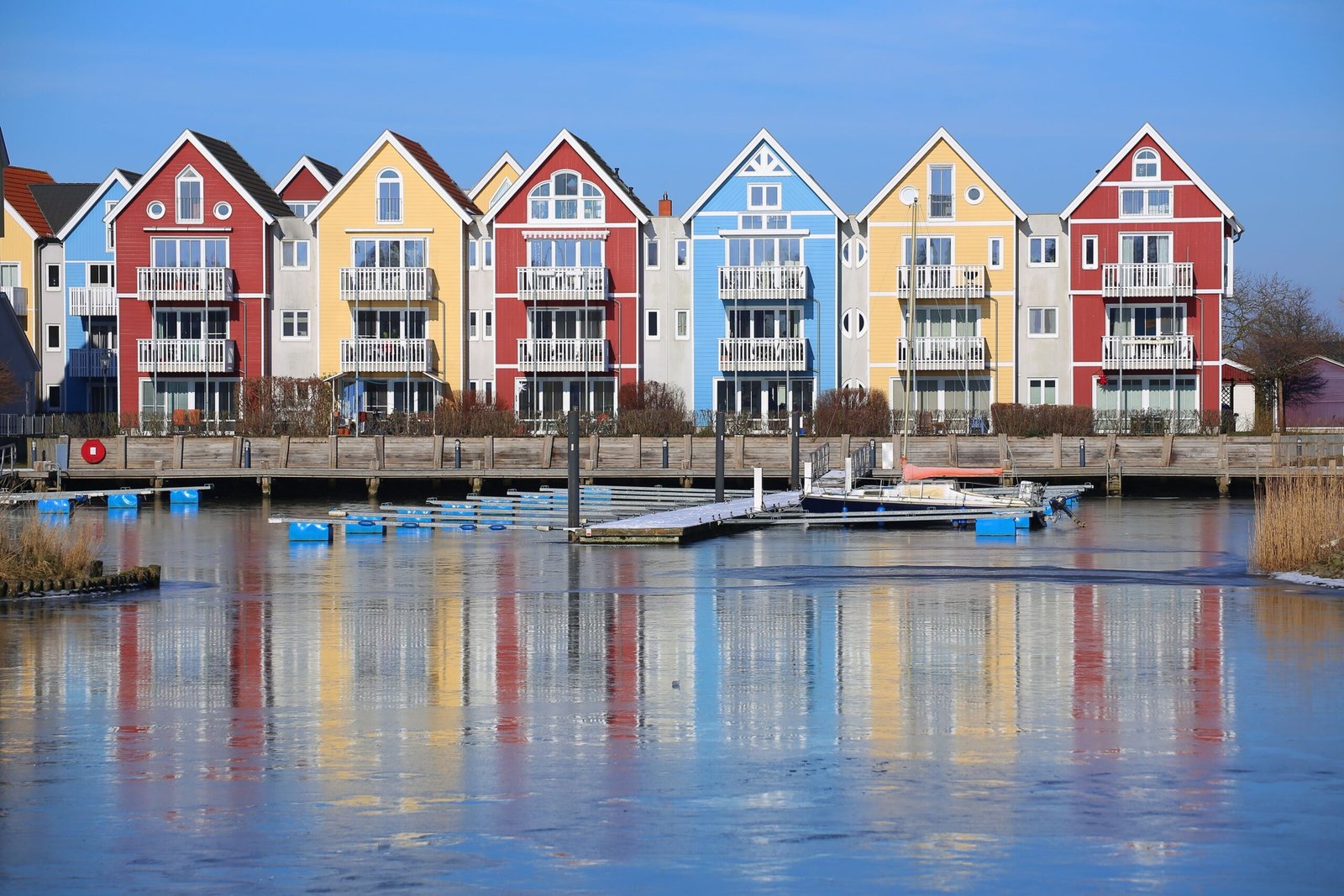
Greifswald Old Town is one of the city’s greatest attractions and beautifully preserves its Hanseatic history and medieval atmosphere. Walking through the historic center reveals colorful merchant houses, Gothic brick buildings, narrow streets, historical squares, and peaceful courtyards filled with centuries of history.
The architecture reflects Greifswald’s former wealth as a trading city connected to Baltic maritime commerce. Many buildings preserve their original medieval character while carefully restored facades create a charming urban landscape.
Small cafes, bakeries, art galleries, bookstores, and local restaurants give the old town a warm and welcoming atmosphere.
The Market Square serves as the central meeting point of the city and hosts festivals, markets, concerts, and seasonal celebrations throughout the year.
During winter, festive lights and Christmas decorations transform the historic streets into a magical holiday destination.
The Old Town perfectly captures the cultural and historical soul of Greifswald.
⛪ 2. St. Nikolai Cathedral – Gothic Landmark of Greifswald

St. Nikolai Cathedral is one of Greifswald’s most impressive historical landmarks and a magnificent example of Brick Gothic architecture. Built during the 13th century, the cathedral has long served as the city’s spiritual and architectural centerpiece.
The church’s tall tower dominates the skyline and can be seen from many parts of the city and surrounding countryside.
Inside, visitors can admire medieval altars, stained-glass windows, elegant pillars, religious artworks, and centuries of craftsmanship that reflect the city’s cultural importance.
The peaceful atmosphere inside the cathedral creates a beautiful contrast to the lively university streets outside.
Throughout history, the cathedral witnessed important religious, political, and academic events connected to Greifswald’s development.
The church remains one of the finest examples of northern German Gothic architecture.
🎓 3. University of Greifswald – One of Germany’s Oldest Universities

Founded in 1456, the University of Greifswald is one of the oldest universities in Germany and an important intellectual center in northern Europe.
For centuries, the university attracted scholars, scientists, philosophers, and students from across Europe, helping shape the cultural identity of the city.
The university buildings combine historical elegance with modern academic life. Libraries, lecture halls, research institutes, museums, and student cafes create a lively atmosphere throughout Greifswald.
The youthful energy brought by thousands of students gives the city a vibrant cultural scene filled with music, art, theater, and scientific events.
The university also played an important role in preserving knowledge and education during difficult historical periods.
Today, the institution continues to make Greifswald an internationally recognized academic city.
⚓ 4. Museum Harbor (Museumshafen) – Maritime Atmosphere & Historic Ships

Greifswald’s Museum Harbor is one of the city’s most scenic and relaxing attractions. Historic sailing ships, fishing boats, and restored wooden vessels create a charming maritime atmosphere beside the Ryck River.
The harbor reflects Greifswald’s long connection to Baltic Sea trade, fishing, and maritime culture.
Visitors can walk along the waterfront promenade while enjoying cafes, restaurants, fresh sea air, and beautiful views across the river and harbor basin.
Historical ships docked at the harbor provide insight into traditional shipbuilding and seafaring life from earlier centuries.
Sunsets at the harbor are especially beautiful as golden light reflects on the calm water and historic vessels.
The Museum Harbor perfectly combines coastal scenery, maritime heritage, and peaceful relaxation.
🎨 5. Caspar David Friedrich Heritage – Romantic Art & Landscapes

Greifswald is internationally famous as the birthplace of the great Romantic painter Caspar David Friedrich. His paintings often featured dramatic landscapes, Baltic coastlines, churches, forests, and peaceful natural scenery inspired by the Greifswald region.
Today, visitors can follow special routes connected to Friedrich’s life and artistic inspiration.
Museums, exhibitions, monuments, and walking trails celebrate his artistic legacy throughout the city.
Many landscapes surrounding Greifswald still resemble the scenes painted by Friedrich more than 200 years ago.
Art lovers especially enjoy exploring the locations connected to one of Germany’s greatest painters.
The connection between Greifswald and Romantic art gives the city unique cultural importance.
🌊 6. Baltic Sea Coast & Natural Landscapes

Greifswald’s location near the Baltic Sea makes it an ideal destination for nature lovers and coastal tourism.
Visitors can explore beaches, wetlands, forests, islands, cycling routes, and peaceful countryside landscapes throughout the surrounding region.
The nearby Greifswald Bodden lagoon creates beautiful scenery filled with birds, sailing boats, and calm coastal waters.
Nature reserves and protected wetlands attract birdwatchers and photographers from across Europe.
Fresh sea air and quiet natural surroundings make the area especially relaxing for travelers seeking peace away from crowded tourist cities.
The Baltic environment adds extraordinary beauty to Greifswald’s historical atmosphere.
Related artical : Best place to visit in Stralsund