
Now Reading: Best place to visit in Vientiane
-
01
Best place to visit in Vientiane
Best place to visit in Vientiane

Vientiane, the capital of Laos, is a city where ancient Buddhist traditions blend seamlessly with French colonial heritage and modern Lao culture. Situated along the Mekong River, Vientiane is known for its peaceful atmosphere, historic temples, grand monuments, bustling markets, and beautiful riverside scenery.
Founded as the capital of the powerful Lan Xang Kingdom in the 16th century, the city has witnessed centuries of cultural development, foreign influence, and national transformation. Today, Vientiane remains the political, cultural, and economic heart of Laos and offers visitors a fascinating journey through the country’s rich history.
The following attractions represent the best places to visit in Vientiane.
1. Pha That Luang – The National Symbol of Laos

History
Pha That Luang is the most important religious monument in Laos and the country’s national symbol.
Originally constructed in the 16th century by King Setthathirath, the golden stupa was built on the site of an earlier Khmer temple and is believed to contain sacred Buddhist relics.
Throughout history, the monument survived invasions, wars, and restorations, becoming a symbol of Lao identity and resilience.
Visitor Experience
Visitors can admire:
- Golden Buddhist architecture
- Sacred religious significance
- Beautiful temple grounds
- Historical monuments
- Traditional Lao culture
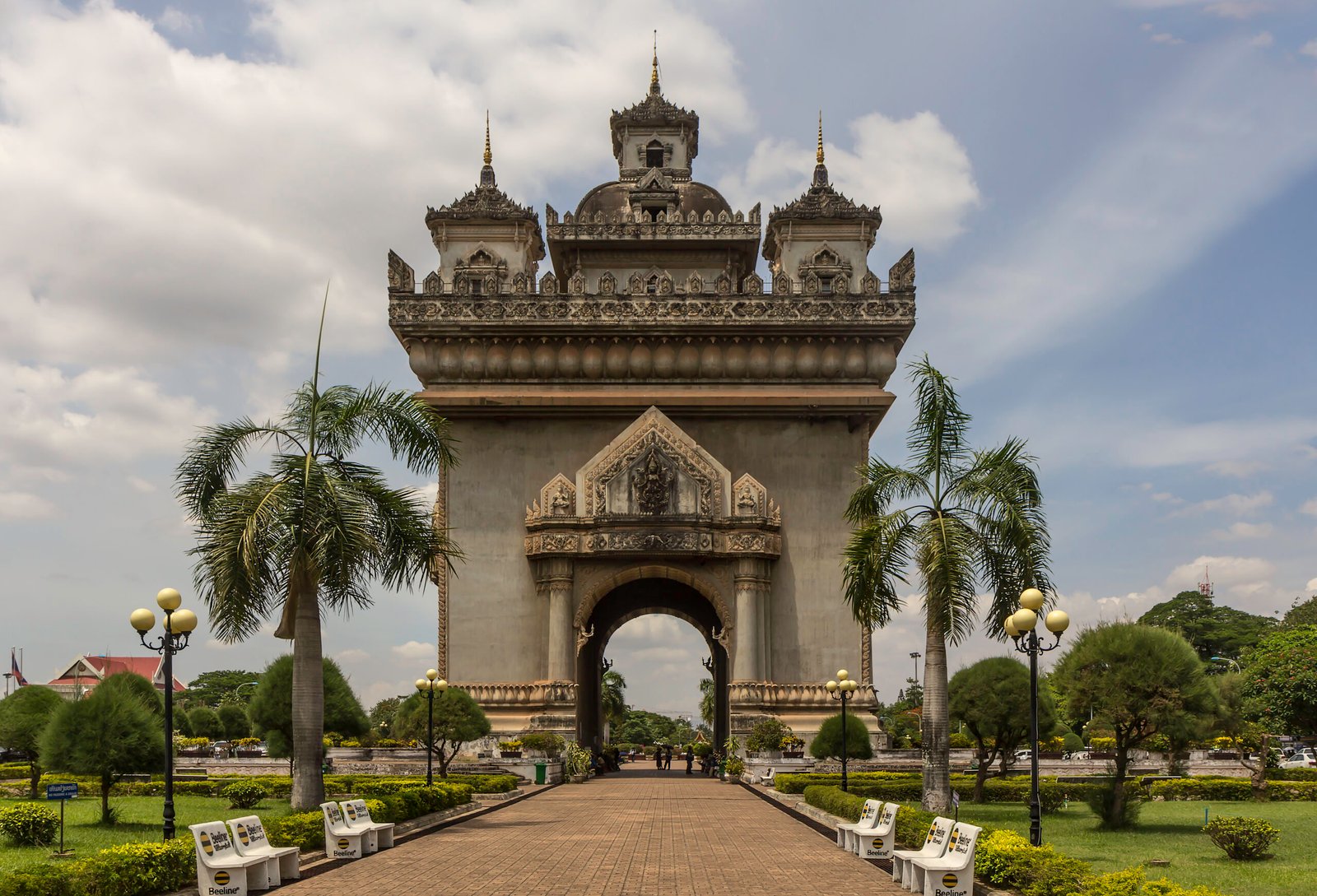
2. Patuxai – The Arc de Triomphe of Laos

History
Patuxai, meaning “Victory Gate,” was built between 1957 and 1968 to honor those who fought for Laos’ independence.
The monument combines traditional Lao decorative motifs with French-inspired architecture, reflecting the country’s unique historical influences.
Visitor Experience
Visitors can explore:
- Monument interiors
- Observation decks
- City panoramas
- Historical exhibits
- Landscaped gardens
3. Wat Si Saket – The Oldest Temple in the City

History
Built in 1818, Wat Si Saket is the oldest surviving temple in Vientiane.
Unlike many structures destroyed during Siamese invasions, this temple survived largely intact and preserves thousands of Buddha images.
Visitor Experience
Visitors can discover:
- Ancient Buddhist statues
- Historic architecture
- Peaceful courtyards
- Religious artifacts
- Cultural heritage
4. Haw Phra Kaew – The Former Royal Temple

History
Constructed in the 16th century by King Setthathirath, Haw Phra Kaew originally housed the famous Emerald Buddha.
Although the statue was later moved to Thailand, the building remains one of Laos’ most important cultural landmarks.
Visitor Experience
Visitors can explore:
- Buddhist art collections
- Historical relics
- Ancient sculptures
- Religious architecture
- Museum exhibits
5. Buddha Park (Xieng Khuan) – A Surreal Sculpture Garden

History
Created in 1958 by artist and mystic Bunleua Sulilat, Buddha Park contains over 200 religious sculptures inspired by Buddhist and Hindu traditions.
The park represents a unique blend of spirituality, mythology, and artistic creativity.
Visitor Experience
Visitors can enjoy:
- Giant religious statues
- Mythological sculptures
- Unique photography opportunities
- Cultural symbolism
- Peaceful gardens
6. Mekong Riverside Promenade – The Heart of Evening Life

History
The Mekong River has been central to Vientiane’s development for centuries, supporting trade, transportation, and cultural exchange.
The riverside has evolved into one of the city’s most popular gathering places.
Visitor Experience
Visitors can experience:
- River views
- Sunset walks
- Street food vendors
- Night markets
- Local entertainment
7. COPE Visitor Centre – Understanding Modern Lao History

History
The COPE Visitor Centre educates visitors about the impact of unexploded ordnance left from conflicts during the Vietnam War era.
It highlights ongoing humanitarian efforts and the resilience of the Lao people.
Visitor Experience
Visitors can learn about:
- Modern Lao history
- Humanitarian projects
- Educational exhibits
- Personal stories
- National recovery efforts
8. Talat Sao Morning Market – The Commercial Heart of Vientiane

History
Talat Sao has served as one of Vientiane’s most important commercial centers for decades.
The market reflects the city’s role as a hub of regional trade and commerce.
Visitor Experience
Visitors can browse:
- Traditional handicrafts
- Jewelry
- Textiles
- Souvenirs
- Local products
9. Wat Ong Teu Mahawihan – A Center of Buddhist Learning
History
Founded in the 16th century, Wat Ong Teu became an important center for Buddhist education and scholarship.
Its name derives from the large bronze Buddha image housed within the temple.
Visitor Experience
Visitors can admire:
- Traditional temple architecture
- Sacred Buddha statues
- Religious ceremonies
- Historic decorations
- Spiritual atmosphere
10. Presidential Palace – A Symbol of Modern Laos

History
Constructed during the French colonial period, the Presidential Palace stands as one of the finest examples of colonial architecture in Laos.
Although not open to the public, it remains one of Vientiane’s most recognizable landmarks.
Visitor Experience
Visitors can appreciate:
- Elegant architecture
- Historical significance
- Beautiful gardens
- Photography opportunities
- Colonial heritage
Related artical : Best place to visit in Kyrgyzstan