
Now Reading: Best place to visit in Tripoli
-
01
Best place to visit in Tripoli
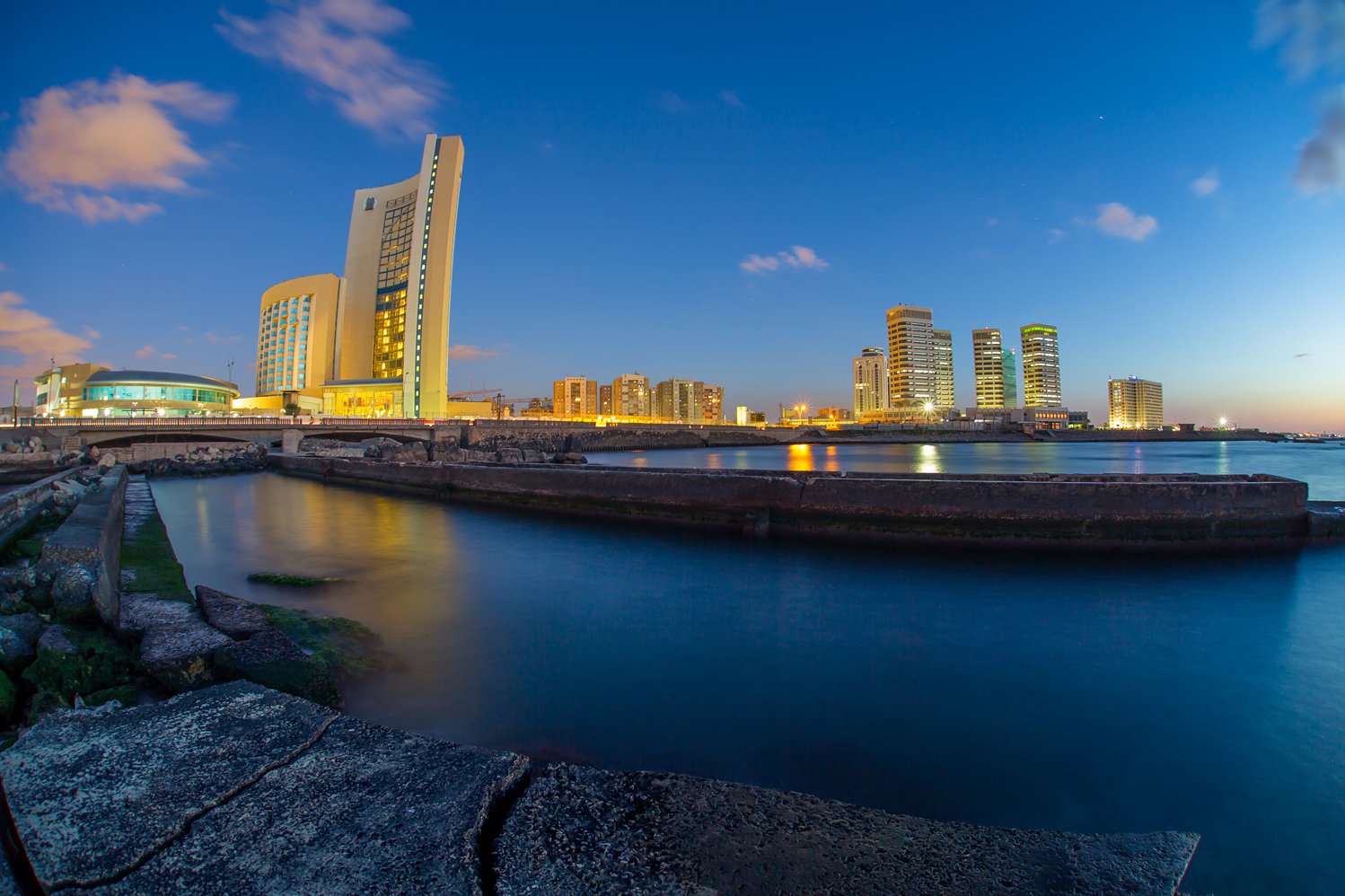
Best place to visit in Tripoli

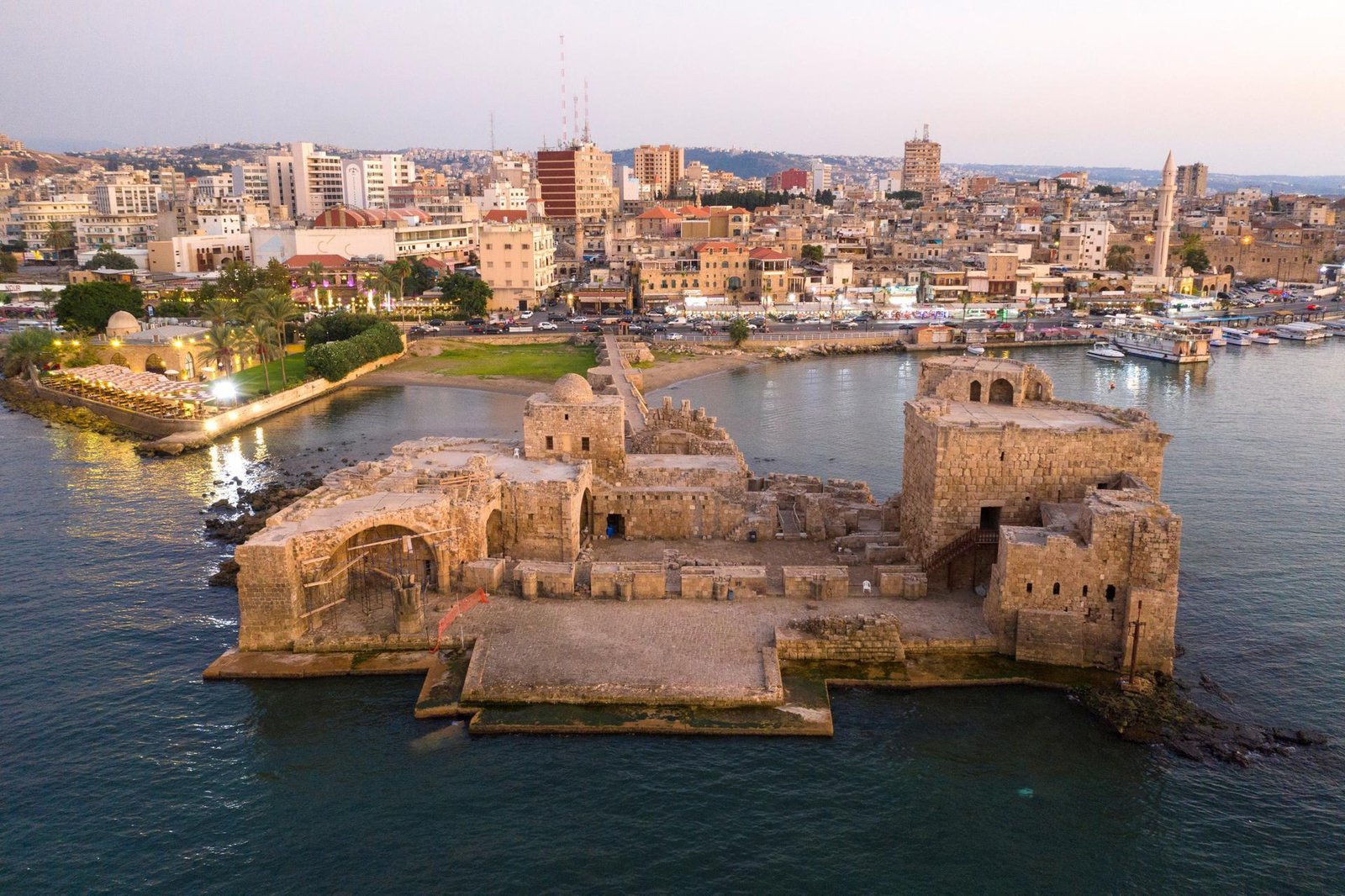
Tripoli is Lebanon’s second-largest city and one of the oldest continuously inhabited cities in the Mediterranean region. Located along Lebanon’s northern coast, Tripoli boasts a history spanning more than 3,000 years and has been shaped by Phoenician, Greek, Roman, Byzantine, Crusader, Mamluk, and Ottoman civilizations.
Often referred to as the “Capital of the North,” Tripoli is renowned for its medieval architecture, historic mosques, bustling souks, ancient citadel, and rich cultural heritage. Unlike many modern cities, Tripoli has preserved much of its historic character, allowing visitors to experience an authentic journey through centuries of Middle Eastern history.
The city’s narrow streets, traditional markets, historic buildings, and coastal scenery make it one of Lebanon’s most fascinating destinations. Visitors can explore ancient monuments, discover local traditions, and experience one of the country’s richest cultural landscapes.
The following attractions represent the best places to visit in Tripoli.
1. Citadel of Raymond de Saint-Gilles

The Citadel of Raymond de Saint-Gilles is the most iconic landmark in Tripoli and one of the largest medieval fortresses in Lebanon. Positioned on a hill overlooking the city, the citadel offers spectacular views of Tripoli, the Mediterranean coastline, and surrounding mountains.
The fortress was originally established during the Crusader period and later expanded by Mamluk and Ottoman rulers. Throughout its history, the citadel served as a military stronghold, administrative center, and symbol of political power.
Today, visitors can explore ancient walls, towers, courtyards, and underground chambers while learning about the city’s complex and fascinating history.
History
Construction of the original fortress began during the Crusader era in the twelfth century. Following the Mamluk conquest of Tripoli in 1289, the citadel was rebuilt and strengthened. Successive rulers continued to modify and expand the structure, creating the impressive fortress visible today.
2. Tripoli Old Souks

The Old Souks of Tripoli represent one of the finest surviving medieval market districts in the Middle East. The narrow alleyways, stone buildings, and traditional workshops create an atmosphere that has changed little over centuries.
Visitors can explore spice markets, soap shops, jewelry stores, textile merchants, and artisan workshops while experiencing the vibrant culture of the city. The souks remain an important commercial center and preserve many traditional crafts and trades.
The unique character of these markets makes them one of the most memorable attractions in Lebanon.
History
The souks developed during the Mamluk period when Tripoli became a major commercial center linking the Mediterranean with inland trade routes. Merchants from across the region contributed to the city’s prosperity and cultural diversity.
3. Al-Mansouri Great Mosque

Al-Mansouri Great Mosque is one of the most important religious monuments in Lebanon and a masterpiece of Mamluk architecture.
The mosque features elegant arches, impressive courtyards, decorative stonework, and a beautiful minaret that dominates the surrounding neighborhood. Its peaceful atmosphere and architectural beauty attract visitors from around the world.
History
Built shortly after the Mamluk conquest of Tripoli in the late thirteenth century, the mosque became the city’s principal religious institution. It remains an active place of worship and an important symbol of Tripoli’s Islamic heritage.
4. Hammam Al-Nouri
Hammam Al-Nouri is one of the oldest and most famous public bathhouses in Lebanon. The building reflects the social and cultural importance of hammams in Middle Eastern cities.
Visitors can admire the traditional architecture, domed ceilings, and historic interiors that illustrate centuries of urban life and community traditions.
History
Constructed during the Mamluk period, the bathhouse served as an important gathering place where residents socialized, conducted business, and maintained personal hygiene. It remains a valuable example of medieval urban architecture.
5. Khan Al-Khayyatin
Khan Al-Khayyatin, also known as the Tailors’ Khan, is one of the most impressive historic caravanserais in Tripoli. These structures once accommodated merchants and travelers arriving from distant regions.
The building’s courtyards, stone arches, and workshops provide valuable insight into medieval trade and commerce.
History
Established during the Mamluk era, the khan played an important role in supporting commercial activity and facilitating trade between coastal and inland markets.
6. Tripoli Clock Tower

The Tripoli Clock Tower is one of the city’s most recognizable landmarks and a symbol of its Ottoman heritage.
Standing prominently in the central square, the tower combines elegance and historical significance while serving as a focal point of urban life.
History
The tower was commissioned during the Ottoman period in the early twentieth century to commemorate the reign of Sultan Abdul Hamid II. It remains an important architectural monument and gathering place.
7. Abdel Wahab Island

Abdel Wahab Island offers visitors a peaceful escape from the city’s busy streets. Surrounded by clear Mediterranean waters, the island provides opportunities for relaxation, photography, and nature observation.
The coastal scenery and marine environment make it a popular destination for boat excursions and outdoor activities.
History
The island has long been associated with local fishing communities and maritime traditions that shaped the economy of Tripoli’s coastline.
8. Tripoli Port

The Port of Tripoli has been a center of trade and maritime activity for thousands of years. Its strategic location on the Mediterranean Sea contributed significantly to the city’s prosperity and historical importance.
Visitors can observe modern shipping operations while appreciating the historical role of the harbor in connecting civilizations across the Mediterranean.
History
The harbor traces its origins to Phoenician times and later served Greek, Roman, Byzantine, and Arab traders who used Tripoli as a major commercial gateway.
9. Saint Gilles Church
Saint Gilles Church reflects the diverse religious history of Tripoli and serves as an important Christian landmark within the city.
Its architecture, religious significance, and historical associations make it a valuable cultural attraction for visitors interested in Lebanon’s multicultural heritage.
History
The church developed during periods of European influence and remains an important symbol of the coexistence of different religious communities throughout the city’s history.
10. El Mina

El Mina is the picturesque coastal district of Tripoli and one of the city’s most charming areas. The waterfront is lined with fishing boats, seafood restaurants, historic buildings, and scenic promenades.
Visitors can enjoy beautiful sea views, local cuisine, and a relaxed atmosphere while exploring one of Lebanon’s most authentic coastal communities.
History
For centuries, El Mina served as the maritime gateway of Tripoli. Fishermen, merchants, and sailors helped establish the district as an essential part of the city’s economic and cultural life.
Related artical : Best place to visit in Beirut