
Now Reading: Best place to visit in Anjar
-
01
Best place to visit in Anjar
Best place to visit in Anjar

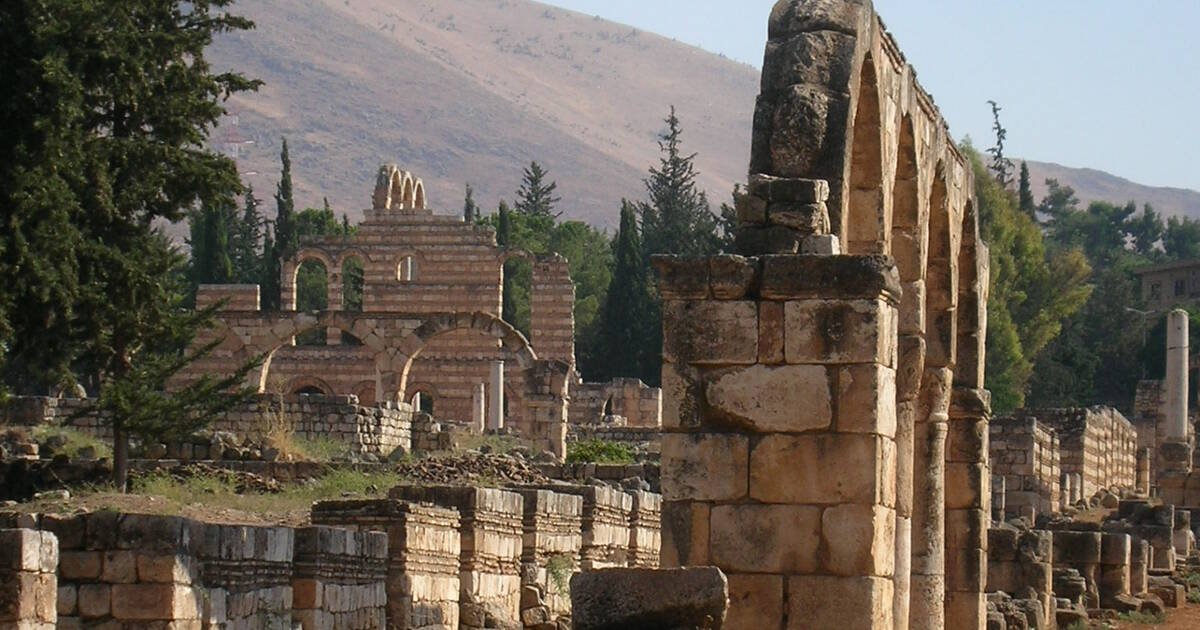
Anjar is one of Lebanon’s most fascinating historical destinations and a remarkable treasure of early Islamic civilization. Located in the fertile Beqaa Valley near the foothills of the Anti-Lebanon Mountains, Anjar is best known for its extraordinary archaeological ruins, which have earned recognition as a UNESCO World Heritage Site. Unlike many ancient cities that evolved over centuries, Anjar was established as a planned city during the Umayyad period, making it one of the most important examples of early Islamic urban design in the world.
The city occupies a strategic location along historic trade routes that connected the Mediterranean coast with inland Syria and the broader Middle East. Throughout its history, the region witnessed the influence of Roman, Byzantine, Arab, Ottoman, and modern Lebanese cultures, creating a rich and diverse heritage that continues to attract historians, archaeologists, and travelers.
Today, visitors can explore ancient palaces, monumental gates, historic streets, cultural landmarks, and scenic landscapes while experiencing one of Lebanon’s most unique destinations. Anjar combines archaeological significance, cultural diversity, and natural beauty, offering a remarkable journey into the history of the Middle East.
The following attractions represent the best places to visit in Anjar.
1. Anjar Archaeological Site

The Anjar Archaeological Site is the city’s most important attraction and one of the finest examples of early Islamic architecture in existence. Covering a large area enclosed by fortified walls, the site contains the remains of palaces, administrative buildings, markets, bathhouses, and residential districts.
Visitors can walk along ancient streets and explore the remarkably preserved urban layout that reveals the sophistication of Umayyad city planning. The combination of Roman, Byzantine, and Islamic architectural influences makes the site unique among archaeological destinations in the Middle East.
History
Anjar was founded during the early eighth century by the Umayyad Caliph Al-Walid I. Designed as a royal city and commercial center, it served as an important hub connecting various regions of the empire. Although inhabited for only a relatively short period, its ruins provide invaluable insight into early Islamic civilization.
2. Great Palace of Anjar

The Great Palace stands among the most impressive structures within the archaeological complex. Featuring courtyards, ceremonial halls, and decorative architectural elements, the palace demonstrates the wealth and power of the Umayyad rulers.
Visitors can admire the scale of the structure while learning about royal life during one of the most influential periods in Islamic history.
History
Constructed during the Umayyad era, the palace served as an administrative and ceremonial center where important political and governmental activities took place.
3. Small Palace of Anjar

The Small Palace complements the Great Palace and provides additional insight into the organization and design of the city.
Although more modest in scale, the structure displays elegant architectural features and contributes to understanding the social and administrative functions of ancient Anjar.
History
The building was likely used for residential or administrative purposes and formed part of the broader urban complex established during the Umayyad period.
4. Anjar Main Colonnaded Street

One of the most striking features of Anjar is its main colonnaded street, which runs through the center of the ancient city. Lined with impressive stone columns, the avenue reflects the influence of Roman and Byzantine urban planning traditions.
Visitors can walk along the ancient route and imagine the bustling commercial activity that once characterized the city.
History
The street served as the primary transportation and commercial artery of Anjar, connecting markets, public buildings, and residential districts.
5. Anjar City Gates
The monumental gates of Anjar demonstrate the city’s importance and strategic significance. Built as part of the fortified walls surrounding the settlement, the gates controlled access to the city and protected its inhabitants.
Visitors can admire the engineering and architectural achievements that contributed to the city’s defense.
History
The gates were constructed during the city’s foundation and formed an integral part of its carefully planned design.
6. Armenian Quarter of Anjar
Modern Anjar is home to one of Lebanon’s most vibrant Armenian communities. Visitors can explore the town’s Armenian cultural heritage through its churches, schools, cultural institutions, and traditional restaurants.
The community contributes significantly to the unique identity of Anjar and offers valuable cultural experiences for visitors.
History
Many Armenian families settled in Anjar during the twentieth century after relocating from various parts of the region. Their presence transformed the town into an important center of Armenian culture in Lebanon.
7. Armenian Churches of Anjar

The Armenian churches of Anjar are among the town’s most important cultural landmarks. Their distinctive architecture, spiritual significance, and community role make them valuable destinations for visitors interested in religious and cultural heritage.
Visitors can admire beautiful interiors and learn about the traditions of Lebanon’s Armenian population.
History
These churches were established to serve the growing Armenian community and continue to play an important role in preserving cultural identity and religious traditions.
8. Bekaa Valley Vineyards

The fertile Bekaa Valley surrounding Anjar is famous for its vineyards and agricultural landscapes. Visitors can enjoy scenic drives, vineyard tours, and opportunities to experience one of the oldest wine-producing regions in the world.
The picturesque countryside offers a beautiful contrast to the archaeological monuments of Anjar.
History
Agriculture has flourished in the Bekaa Valley for thousands of years due to fertile soil, abundant water resources, and favorable climatic conditions.
9. Mount Sannine Viewpoints

The nearby viewpoints overlooking Mount Sannine and the Bekaa Valley provide some of the most spectacular scenery in Lebanon.
Visitors can enjoy panoramic views of mountains, valleys, vineyards, and surrounding countryside while appreciating the natural beauty of the region.
History
These landscapes have shaped settlement patterns, agriculture, and transportation networks throughout the history of the Bekaa Valley.
10. Anjar Cultural Center
The Cultural Center serves as a hub for educational programs, exhibitions, performances, and community activities that celebrate the heritage of Anjar.
Visitors can learn about the history of the city, the Armenian community, and the cultural traditions that continue to shape local identity.
History
The center was established to preserve and promote the historical and cultural legacy of Anjar while supporting educational initiatives and cultural exchange.
Related artical : Best place to visit in Bcharre