
Now Reading: Best place to visit in Bcharre
-
01
Best place to visit in Bcharre
Best place to visit in Bcharre

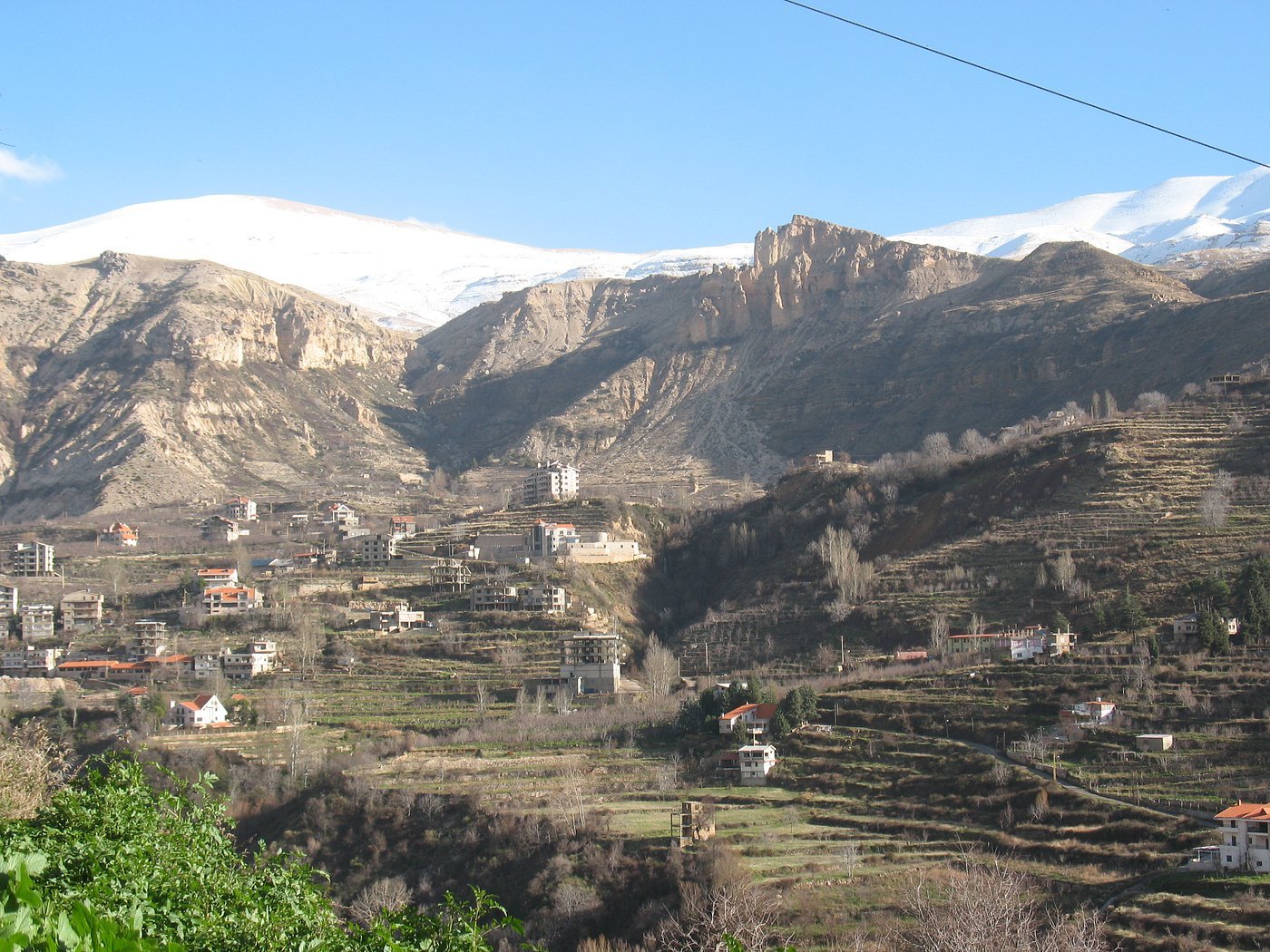
Bcharre is one of Lebanon’s most spectacular mountain towns, located high in the northern reaches of the Mount Lebanon range. Surrounded by dramatic cliffs, deep valleys, cedar forests, and snow-capped peaks, Bcharre is widely regarded as one of the country’s most beautiful destinations. The town is best known as the birthplace of the world-renowned writer and artist Kahlil Gibran and as the gateway to the legendary Qadisha Valley and the famous Cedars of God forest.
Perched at an altitude of over 1,400 meters, Bcharre offers breathtaking landscapes throughout the year. During winter, snow covers the surrounding mountains, while spring and summer transform the region into a lush paradise filled with greenery and wildflowers. The town combines natural beauty, religious heritage, cultural significance, and outdoor adventure, making it one of Lebanon’s premier tourism destinations.
Throughout history, Bcharre served as a refuge for communities seeking protection within the rugged mountains of northern Lebanon. The region became an important center of spirituality, monastic life, and cultural development, preserving traditions that continue to influence Lebanese identity today.
The following attractions represent the best places to visit in Bcharre.
1. Qadisha Valley

The Qadisha Valley, also known as the Holy Valley, is one of the most important cultural and natural sites in Lebanon. Recognized as a UNESCO World Heritage Site, the valley is famous for its dramatic cliffs, ancient monasteries, caves, rivers, and breathtaking scenery.
Visitors can hike through spectacular landscapes while discovering centuries-old religious communities that found refuge within the valley’s rugged terrain. The peaceful environment and natural beauty make it one of the most rewarding destinations in the Middle East.
History
For more than a thousand years, monks, hermits, and religious communities lived within the valley’s caves and monasteries. The region became a center of Christian spirituality and played a crucial role in preserving religious traditions during periods of conflict and persecution.
2. Cedars of God

The Cedars of God is one of Lebanon’s most famous natural landmarks and among the last surviving remnants of the ancient cedar forests that once covered much of the region.
The majestic cedar trees, some of which are believed to be over a thousand years old, have become national symbols of Lebanon and appear prominently on the country’s flag.
Visitors can walk among these extraordinary trees and experience one of the most historically significant forests in the world.
History
The cedar forests supplied timber to ancient civilizations including the Phoenicians, Egyptians, Assyrians, Babylonians, Persians, Greeks, and Romans. Their wood was highly valued for shipbuilding, temples, palaces, and monumental construction projects.
3. Gibran Museum

The Gibran Museum is dedicated to the life and legacy of Kahlil Gibran, one of the most celebrated writers and philosophers of the modern era.
Housed within a historic monastery overlooking the valley, the museum contains original manuscripts, paintings, personal belongings, and rare documents related to Gibran’s life and work.
Visitors gain valuable insight into the creative achievements of one of Lebanon’s most influential cultural figures.
History
The museum was established following Gibran’s death and serves as both a memorial and cultural institution dedicated to preserving his artistic and literary contributions.
4. Saint Anthony Monastery of Qozhaya

Saint Anthony Monastery of Qozhaya is one of the oldest continuously inhabited monasteries in the Middle East. Nestled within the cliffs of the Qadisha Valley, the monastery offers visitors a unique combination of spirituality, history, and natural beauty.
The complex includes chapels, caves, courtyards, and historical artifacts that illustrate centuries of monastic life.
History
Founded during the early Christian era, the monastery became a refuge for monks and scholars seeking isolation and spiritual devotion. It remains an active religious institution today.
5. Bcharre Town Center

The town center of Bcharre is a charming area filled with traditional stone houses, churches, cafés, local shops, and scenic viewpoints.
Visitors can stroll through the streets, experience local hospitality, and enjoy spectacular views of the surrounding mountains and valleys.
History
The town developed over centuries as mountain communities established settlements in the region. Its architecture and cultural traditions reflect the unique heritage of northern Lebanon.
6. Bcharre Ski Resort Area

The mountains surrounding Bcharre offer some of the best winter sports opportunities in Lebanon. During the snowy season, visitors can enjoy skiing, snowboarding, snowshoeing, and breathtaking alpine scenery.
The combination of snow-covered peaks and ancient cedar forests creates an unforgettable winter landscape.
History
Winter tourism developed significantly during the twentieth century as Lebanon became known for its mountain resorts and recreational opportunities.
7. Maronite Patriarchal Sites

The Bcharre region contains numerous sites associated with the history of the Maronite Church. Monasteries, chapels, and religious institutions throughout the area reflect centuries of spiritual and cultural development.
Visitors interested in religious history can explore these landmarks while learning about the role of the Maronite community in Lebanese history.
History
The mountains of northern Lebanon provided refuge for Maronite communities during various periods of political instability, allowing them to preserve their traditions and identity.
8. Qannoubine Monastery

Qannoubine Monastery is one of the most important religious sites in Lebanon and was once the seat of the Maronite Patriarchate.
Located deep within the Qadisha Valley, the monastery offers visitors an extraordinary combination of historical significance and natural beauty.
History
For centuries, the monastery served as the spiritual center of the Maronite Church and played a critical role in preserving religious traditions throughout the region.
9. Bcharre Scenic Viewpoints

Bcharre offers numerous scenic viewpoints that provide breathtaking panoramas of the Qadisha Valley, cedar forests, mountains, and surrounding villages.
These locations are especially popular at sunrise and sunset when changing light conditions create spectacular photographic opportunities.
History
Travelers, pilgrims, and explorers have admired these landscapes for centuries, contributing to the region’s reputation as one of Lebanon’s most beautiful destinations.
10. Qadisha Valley Hiking Trails

The hiking trails around Bcharre offer some of the finest outdoor experiences in Lebanon. Routes pass through forests, valleys, monasteries, cliffs, rivers, and traditional villages, allowing visitors to fully appreciate the region’s natural and cultural heritage.
The trails range from easy walks to challenging mountain hikes suitable for experienced adventurers.
History
Many of these pathways originated as routes used by monks, villagers, and traders who traveled through the mountains long before modern roads existed.
Related artical : Best place to visit in Bint Jbeil