
Now Reading: Best place to visit in Kobe
-
01
Best place to visit in Kobe
Best place to visit in Kobe

Kobe is one of Japan’s most sophisticated and internationally influenced cities. Located between the sparkling waters of Osaka Bay and the dramatic peaks of the Rokko Mountain Range, Kobe serves as the capital of Hyogo Prefecture and is one of the country’s most important port cities. Known worldwide for its luxurious Kobe beef, stunning waterfront districts, cosmopolitan atmosphere, and rich history, Kobe offers visitors a unique blend of Japanese tradition and international influence.
For centuries, Kobe’s strategic coastal location made it an important center for trade and cultural exchange. However, the city’s modern transformation began in 1868 when the Port of Kobe opened to foreign trade during Japan’s modernization period. Merchants, diplomats, and entrepreneurs from Europe, China, and other parts of Asia settled in Kobe, shaping the city’s architecture, cuisine, and culture. As a result, Kobe developed into one of Japan’s most international cities, a character that remains visible today.
Kobe is also remembered for the devastating Great Hanshin Earthquake of 1995, which caused widespread destruction and loss of life. The city’s remarkable recovery became a symbol of resilience and determination, and today Kobe stands as a thriving metropolis that honors its past while embracing the future.
Visitors can explore scenic waterfronts, historic foreign residences, beautiful gardens, mountain viewpoints, cultural districts, and culinary destinations that make Kobe one of Japan’s most rewarding cities to discover.
1. Kobe Harborland – The Heart of Kobe’s Waterfront

One of the city’s most popular attractions, Kobe Harborland is a vibrant waterfront district that combines shopping, dining, entertainment, and stunning views of Osaka Bay.
Developed as part of Kobe’s urban revitalization efforts, Harborland features modern architecture, waterfront promenades, shopping complexes, hotels, and cultural attractions. Visitors can stroll along the harbor while admiring views of ships entering the port and the city’s impressive skyline.
At night, the area transforms into one of Japan’s most beautiful waterfront destinations as illuminated buildings and landmarks reflect across the water. Restaurants serving local and international cuisine provide opportunities to enjoy the scenery while experiencing Kobe’s culinary excellence.
Harborland perfectly showcases the city’s blend of maritime heritage and modern development.
2. Kobe Port Tower – The Symbol of the City

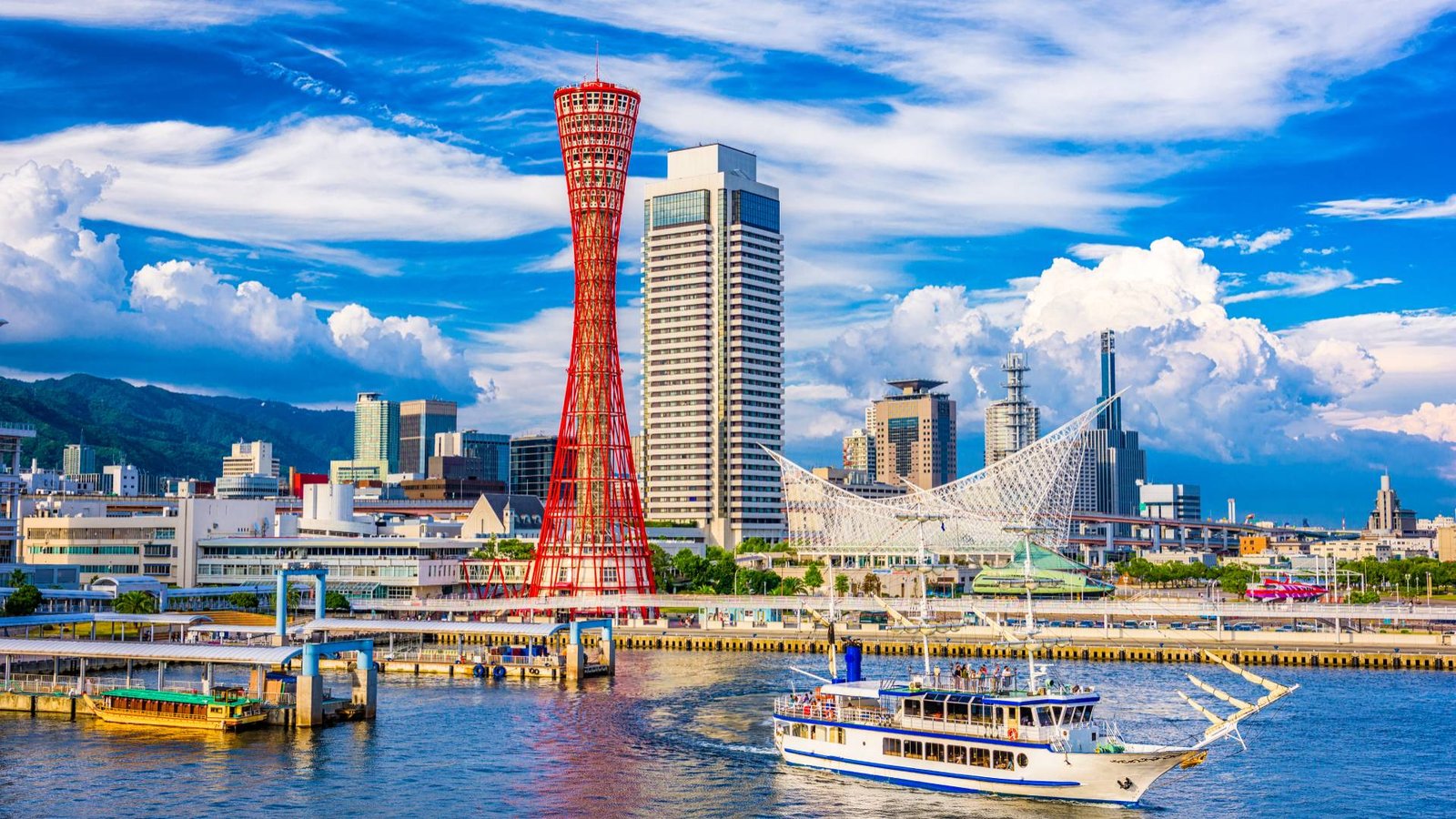
Standing prominently along the waterfront, Kobe Port Tower has become one of the city’s most recognizable landmarks.
Completed in 1963, the tower’s distinctive red steel structure resembles a traditional Japanese drum and rises above the harbor, offering spectacular panoramic views of the city, mountains, and sea. Observation decks provide visitors with breathtaking vistas during both daytime and nighttime.
The tower serves as a symbol of Kobe’s maritime identity and international outlook. Its unique design and scenic location have made it one of the most photographed landmarks in western Japan.
For many visitors, a trip to Kobe would not be complete without experiencing the views from Kobe Port Tower.
3. Mount Rokko – Kobe’s Scenic Mountain Escape

Overlooking the city from the north, Mount Rokko offers some of Japan’s most spectacular panoramic views.
The mountain range provides hiking trails, botanical gardens, observation decks, museums, and recreational facilities that attract visitors throughout the year. The famous night view from Mount Rokko is often ranked among Japan’s finest, with countless city lights stretching across Osaka Bay and the surrounding region.
Visitors can reach the summit using cable cars and ropeways while enjoying dramatic scenery along the journey. Seasonal beauty, including autumn foliage and winter snow, enhances the appeal of the area.
Mount Rokko provides a refreshing natural escape while showcasing the remarkable geography that defines Kobe.
4. Kitano District – Kobe’s International Heritage

The charming Kitano District preserves the legacy of the foreign merchants and diplomats who settled in Kobe after the opening of its port.
The neighborhood is famous for its beautifully preserved Western-style residences known as Ijinkan. These historic homes reflect architectural influences from Europe, America, and other regions, creating a unique atmosphere rarely found elsewhere in Japan.
Visitors can tour former residences, museums, cafés, and gardens while learning about Kobe’s role as an international gateway. The district’s winding streets and elegant architecture provide a fascinating contrast to traditional Japanese neighborhoods.
Kitano remains one of Kobe’s most distinctive and culturally significant areas.
5. Kobe Chinatown – Nankinmachi

The lively Nankinmachi is one of Japan’s most famous Chinatowns and a major center of culinary and cultural activity.
Established by Chinese merchants during the nineteenth century, the district features colorful gates, bustling streets, traditional architecture, and countless food vendors. Visitors can sample authentic Chinese cuisine, street food, and regional specialties while exploring the vibrant atmosphere.
Festivals and cultural events throughout the year celebrate the community’s heritage and contribute to the area’s popularity.
Nankinmachi reflects Kobe’s long history as a multicultural and internationally connected city.
6. Kobe Beef – The World’s Most Famous Wagyu

No discussion of Kobe would be complete without mentioning the legendary Kobe Beef.
Produced from carefully raised Tajima cattle in Hyogo Prefecture, Kobe Beef is internationally renowned for its extraordinary marbling, tenderness, flavor, and quality standards. Strict regulations ensure that only a limited number of cattle qualify for the prestigious Kobe Beef designation.
Visitors from around the world travel to Kobe specifically to enjoy this culinary delicacy. High-end restaurants and specialty establishments throughout the city offer unforgettable dining experiences showcasing one of the world’s most celebrated foods.
Kobe Beef has become a symbol of Japanese culinary excellence and contributes significantly to the city’s international reputation.
7. Meriken Park – Kobe’s Waterfront Landmark

Located along the waterfront, Meriken Park is one of the city’s most important public spaces.
The park features open plazas, sculptures, waterfront promenades, museums, and memorials dedicated to Kobe’s history and recovery following the Great Hanshin Earthquake. Visitors can enjoy beautiful views of the harbor while exploring attractions such as the famous BE KOBE monument.
The park serves as a gathering place for residents and tourists alike, hosting festivals, cultural events, and community activities throughout the year.
Its combination of history, recreation, and scenic beauty makes it one of Kobe’s most beloved destinations.
8. Kobe Nunobiki Herb Gardens – A Floral Paradise

The beautiful Kobe Nunobiki Herb Gardens is one of Japan’s largest herb gardens and a major attraction for nature lovers.
Accessible via an aerial ropeway, the gardens feature hundreds of varieties of herbs, flowers, and plants spread across scenic mountain slopes. Visitors can enjoy walking trails, observation decks, cafés, and educational exhibits while admiring panoramic views of the city below.
Seasonal blooms ensure that the gardens remain attractive throughout the year.
The combination of natural beauty and breathtaking scenery makes the gardens a highlight of any visit to Kobe.
9. Arima Onsen – Japan’s Ancient Hot Spring Retreat

Located within the mountains north of the city, Arima Onsen is one of Japan’s oldest and most famous hot spring resorts.
With a history spanning more than 1,000 years, the town has welcomed emperors, nobles, samurai, and travelers seeking relaxation and healing. The mineral-rich waters are believed to offer various health benefits and remain a central attraction for visitors.
Traditional inns, narrow streets, local shops, and historic bathhouses create an atmosphere that preserves the charm of old Japan.
Arima Onsen provides a peaceful retreat that complements Kobe’s urban attractions.
10. Kobe Maritime Museum – Celebrating a Global Port

The fascinating Kobe Maritime Museum explores the city’s deep connection to the sea and international trade.
Through interactive exhibits, historical artifacts, ship models, and multimedia presentations, visitors can learn about Kobe’s development as one of Japan’s most important ports. The museum highlights the role maritime commerce played in shaping the city’s economy, culture, and global significance.
Its striking architecture, resembling a sail, makes it a landmark in its own right.
The museum offers valuable insight into the history and identity of Kobe as a city built on international exchange and maritime innovation.
Kobe is a city where mountains meet the sea, where Japanese traditions blend with international influences, and where history, culture, and innovation come together in remarkable harmony. From the scenic heights of Mount Rokko and the historic streets of Kitano to the world-famous Kobe Beef and vibrant waterfront districts, the city offers visitors an unforgettable journey through one of Japan’s most elegant and cosmopolitan destinations. Its resilience, beauty, and unique character continue to make Kobe one of Japan’s most treasured cities.
Related artical : Best place to visit in Fukuoka