
Now Reading: Best place to visit in Chekka
-
01
Best place to visit in Chekka
Best place to visit in Chekka

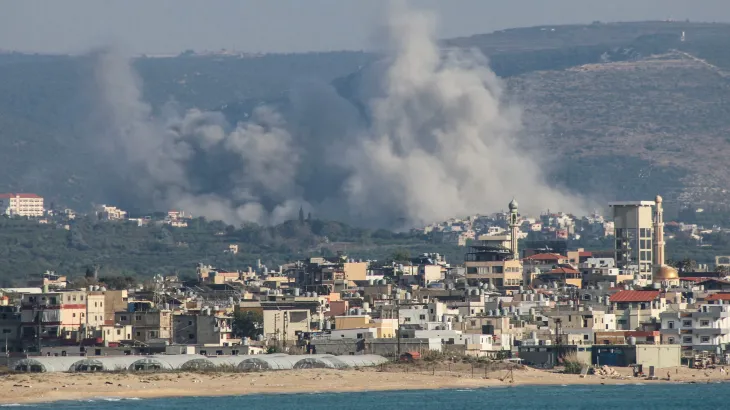
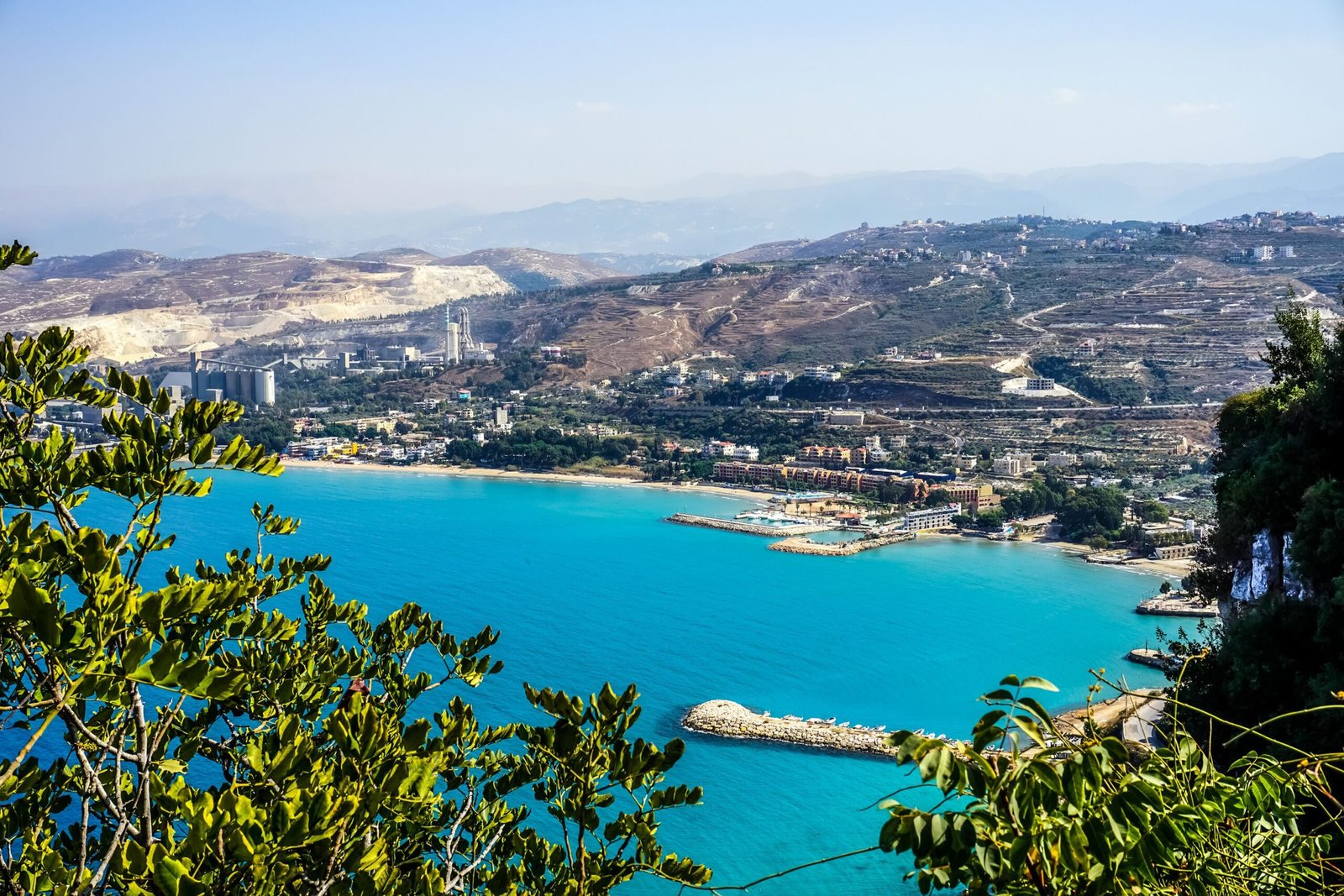
Chekka is a beautiful coastal town located in northern Lebanon between Batroun and Tripoli. Overlooking the sparkling waters of the Mediterranean Sea and backed by the dramatic mountains of northern Lebanon, Chekka offers a unique combination of natural beauty, historical significance, religious landmarks, and cultural heritage.
The town occupies an important position along Lebanon’s northern coastline and has been inhabited since ancient times. Throughout its history, the region witnessed the influence of Phoenician, Roman, Byzantine, Arab, Crusader, Ottoman, and modern Lebanese civilizations. Its coastal location made it an important center for trade, fishing, and agriculture while contributing to the rich cultural traditions that define the town today.
Modern Chekka is known for its beautiful coastline, ancient monasteries, scenic viewpoints, religious sanctuaries, and access to nearby historical attractions. Visitors can enjoy stunning sea views, explore historic sites, and experience the peaceful atmosphere of one of northern Lebanon’s most picturesque destinations.
The following attractions represent the best places to visit in and around Chekka.
1. Our Lady of Nourieh Monastery
The Monastery of Our Lady of Nourieh is the most famous landmark in Chekka and one of Lebanon’s most spectacular religious sites. Perched dramatically on a rocky cliff overlooking the Mediterranean Sea, the monastery offers breathtaking panoramic views of the coastline and surrounding mountains.
Visitors can explore the historic chapel, peaceful grounds, and observation points while enjoying one of the most beautiful coastal landscapes in Lebanon. The combination of spiritual significance and natural beauty makes this destination unforgettable.
History
According to tradition, the monastery was founded centuries ago after sailors were miraculously guided to safety by a divine light during a violent storm. The name “Nourieh” derives from the Arabic word for “light,” reflecting the legend that inspired the site’s creation. Over time, the monastery became an important pilgrimage destination for Christians throughout the region.
2. Chekka Coastline

The coastline of Chekka is among the most scenic stretches of shoreline in Lebanon. Rocky cliffs, clear blue waters, and spectacular sea views create an ideal environment for relaxation, photography, and sightseeing.
Visitors can enjoy coastal walks, observe fishing boats, and experience stunning sunsets over the Mediterranean Sea.
History
For centuries, the coastline supported fishing communities and maritime trade. Its strategic location contributed to the development of settlements and economic activity throughout the region.
3. Saint George Church
Saint George Church is one of the most important religious landmarks in Chekka. The church features beautiful architecture and serves as a center of spiritual life for the local community.
Visitors interested in religious history and architecture will appreciate its peaceful atmosphere and cultural significance.
History
The church has served generations of worshippers and remains an important symbol of the town’s Christian heritage and traditions.
4. Chekka Old Town

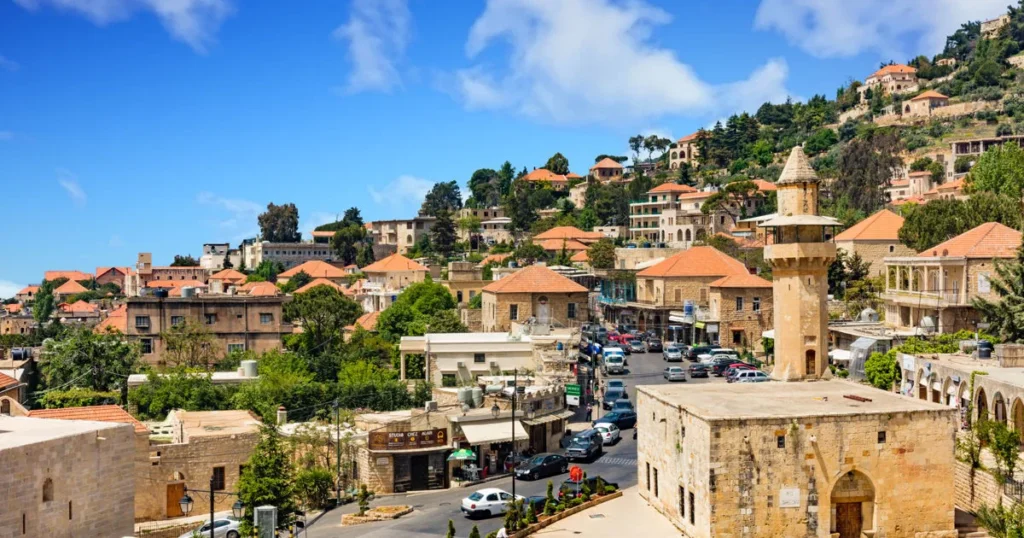
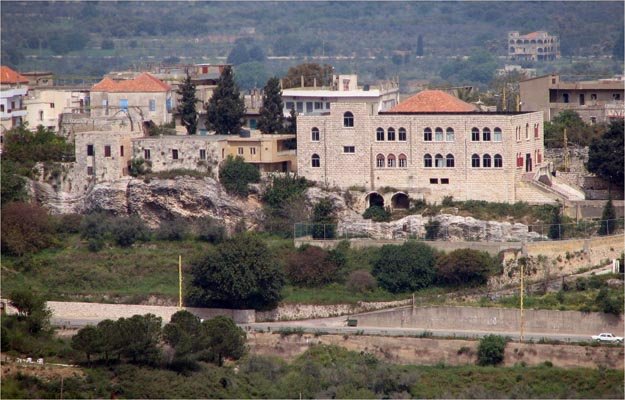
The Old Town area preserves much of Chekka’s traditional character through its historic streets, stone houses, and local businesses.
Walking through the town allows visitors to experience authentic Lebanese culture while learning about the daily life and traditions of the community.
History
The town developed gradually over centuries as fishermen, merchants, and farmers established settlements along the coast. Many buildings reflect architectural styles influenced by different historical periods.
5. Chekka Seaside Viewpoints
The elevated areas surrounding Chekka provide magnificent viewpoints overlooking the Mediterranean Sea, nearby mountains, and coastal villages.
These observation points are particularly popular at sunrise and sunset when the changing light creates spectacular photographic opportunities.
History
Historically, high coastal viewpoints served as observation posts for sailors and local communities monitoring maritime activity.
6. Batroun Coastal Region

Located a short distance from Chekka, the Batroun coastal region offers visitors access to historic landmarks, beaches, ancient walls, and charming seaside streets.
Many travelers combine visits to Chekka and Batroun to experience the cultural richness of northern Lebanon’s coastline.
History
The surrounding region was an important center of Phoenician maritime activity and continues to preserve evidence of its ancient heritage.
7. Chekka Fishing Harbor

The small fishing harbor remains an important part of local life and provides visitors with a glimpse into traditional maritime culture.
Colorful fishing boats, coastal scenery, and daily fishing activities create a charming atmosphere that reflects the town’s connection to the sea.
History
Fishing has sustained local families for generations and continues to contribute to the cultural identity and economy of Chekka.
8. Chekka Mountain Trails

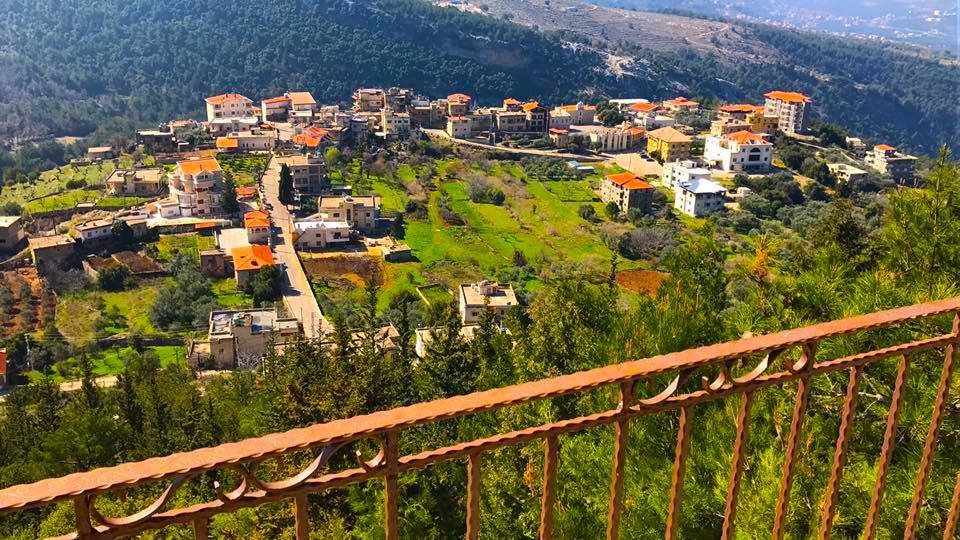
The hills and mountains surrounding Chekka offer excellent opportunities for hiking and outdoor exploration. Visitors can discover scenic landscapes, forests, and panoramic viewpoints while enjoying fresh mountain air.
The trails are suitable for both casual walkers and experienced hikers.
History
Many routes were originally used by local farmers and villagers traveling between coastal settlements and inland communities.
9. Agricultural Terraces of Chekka

The countryside around Chekka is characterized by beautiful agricultural terraces planted with olive trees, fruit orchards, and other crops.
Visitors can explore rural landscapes and learn about traditional farming methods that have supported local communities for centuries.
History
Agriculture has long been a cornerstone of life in the region, providing food, trade goods, and economic stability for generations.
10. Northern Lebanon Coastal Drive

The coastal road passing through Chekka is one of Lebanon’s most scenic driving routes. Travelers enjoy spectacular views of the sea, mountains, cliffs, and traditional villages while exploring northern Lebanon.
The route offers countless opportunities for sightseeing and photography.
History
For centuries, coastal roads connected trading ports and settlements, facilitating commerce and cultural exchange throughout the region.
History of Chekka
The history of Chekka dates back to ancient times when Phoenician communities established settlements along Lebanon’s northern coastline. Its location near maritime trade routes allowed it to participate in the economic and cultural exchanges that shaped Mediterranean civilization.
During the Roman and Byzantine periods, the region continued to prosper through trade, agriculture, and religious development. Christianity became firmly established, leading to the construction of churches and monasteries that remain important landmarks today.
One of the most significant chapters in Chekka’s history is associated with the Monastery of Our Lady of Nourieh. The monastery’s dramatic location and legendary origins transformed it into a major pilgrimage destination that continues to attract visitors from across Lebanon and beyond.
Throughout Ottoman rule and the modern era, Chekka maintained its identity as a coastal community while adapting to economic and social changes. Today, it remains a symbol of northern Lebanon’s cultural diversity, religious heritage, and natural beauty.
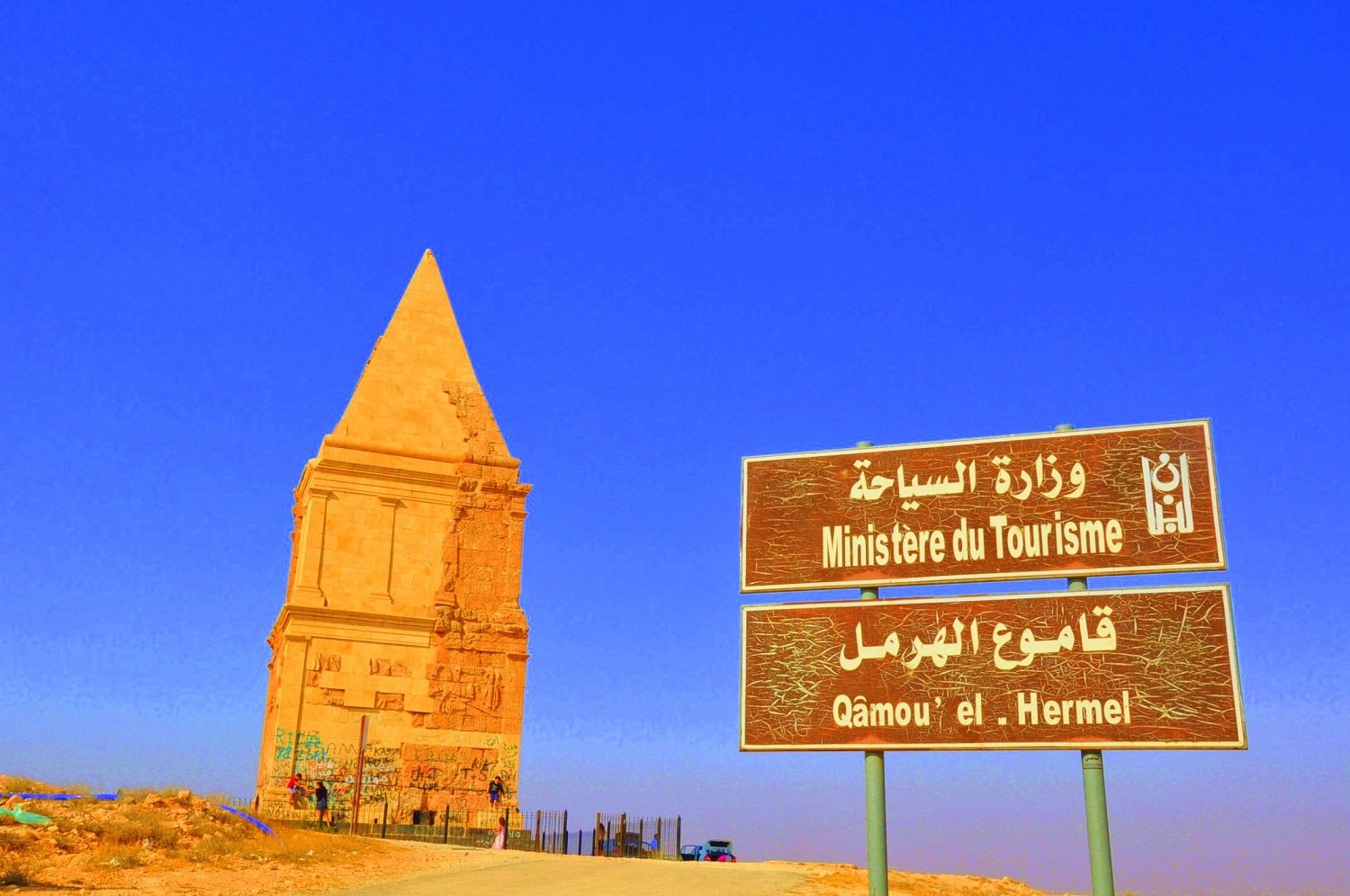
Related artical : Best place to visit in Hermel