
Now Reading: Best place to visit in Amioun
-
01
Best place to visit in Amioun
Best place to visit in Amioun

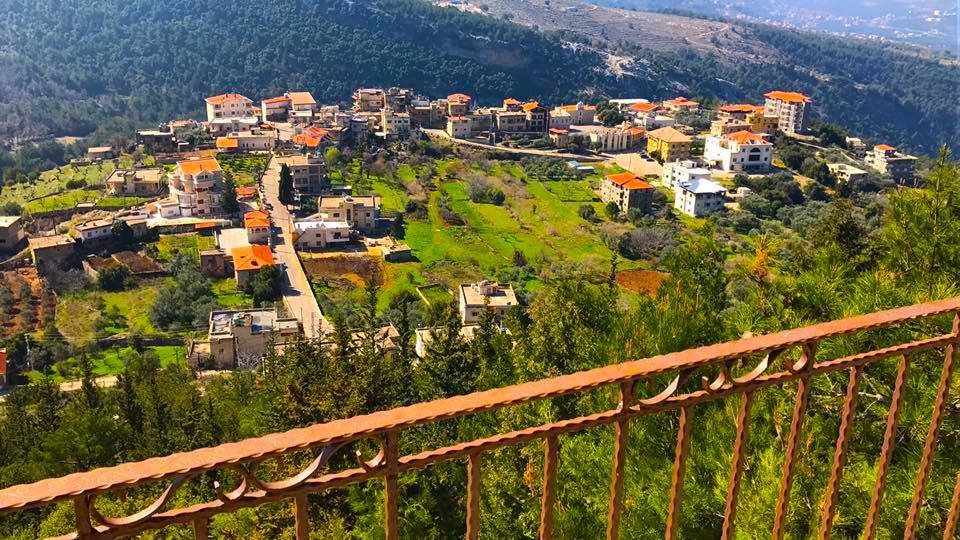
Amioun is one of the oldest continuously inhabited towns in Lebanon and serves as the administrative center of the Koura District in northern Lebanon. Perched on a scenic hill overlooking olive groves, valleys, and Mediterranean landscapes, Amioun is renowned for its rich history, Byzantine churches, ancient monasteries, archaeological remains, and strong cultural traditions.
Often referred to as the “City of Churches,” Amioun possesses one of the highest concentrations of historic churches in Lebanon. Its roots extend deep into antiquity, with evidence of settlement dating back thousands of years. Throughout its long history, the town has been influenced by Phoenician, Greek, Roman, Byzantine, Arab, Crusader, Ottoman, and modern Lebanese civilizations.
The fertile lands surrounding Amioun have supported agriculture for centuries, particularly olive cultivation, which remains a defining feature of the local economy and landscape. Today, visitors can explore ancient churches, historic neighborhoods, monasteries, archaeological sites, and beautiful countryside while experiencing one of Lebanon’s most culturally significant towns.
The following attractions represent the best places to visit in Amioun.
1. Saint George Cathedral
Saint George Cathedral is one of the most important religious monuments in northern Lebanon and a symbol of Amioun’s spiritual heritage. Built partially into the rock, the cathedral features remarkable Byzantine frescoes, ancient stone architecture, and a peaceful atmosphere that attracts visitors throughout the year.
The church offers valuable insight into the development of Christianity in the region and remains an active place of worship.
History
The cathedral dates back to the Byzantine era and was constructed on the site of even older religious structures. Its frescoes and architectural elements provide important evidence of the artistic and religious traditions that flourished in northern Lebanon during the medieval period.
2. Our Lady of Bkeftine Monastery

This historic monastery is one of the region’s most important spiritual centers. Surrounded by beautiful landscapes and traditional villages, it offers visitors an opportunity to experience the religious heritage of northern Lebanon.
The monastery’s peaceful setting and historic architecture make it a popular destination for pilgrims and tourists alike.
History
The monastery has served local communities for centuries and played an important role in preserving religious traditions, education, and cultural heritage throughout the Koura region.
3. Amioun Old Town
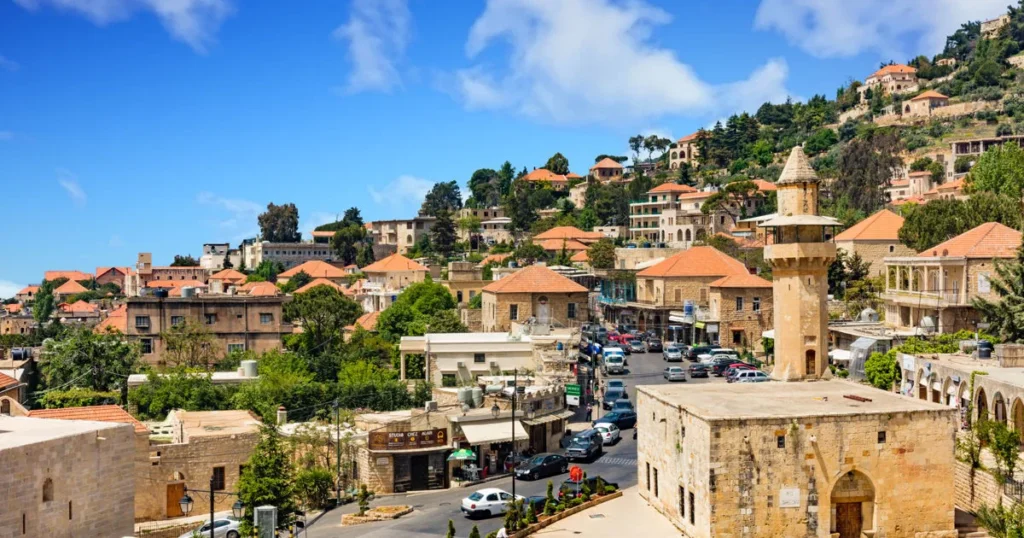
The Old Town of Amioun preserves much of its traditional character through narrow streets, stone houses, historic churches, and charming public spaces.
Visitors can wander through the historic district while discovering local culture, architecture, and everyday life that reflects centuries of continuous habitation.
History
Many of the buildings found in the old quarter date back to the Ottoman period, although the settlement itself has existed since ancient times and contains layers of historical development.
4. Saint John Monastery

Saint John Monastery is another important religious site that reflects Amioun’s reputation as a center of Christian heritage.
Visitors can admire the monastery’s architecture, religious artwork, and tranquil surroundings while learning about centuries of monastic life.
History
The monastery served as a center of worship and education for generations and contributed significantly to the religious development of the region.
5. Olive Groves of Koura

The Koura District surrounding Amioun is famous for its vast olive groves, which create some of the most beautiful agricultural landscapes in Lebanon.
Visitors can explore scenic countryside, traditional farms, and olive orchards while learning about olive oil production and rural life.
History
Olive cultivation has been practiced in the region for thousands of years and remains one of the most important agricultural activities in northern Lebanon.
6. Amioun Archaeological Sites

Various archaeological remains scattered throughout Amioun provide evidence of the town’s long and complex history.
Visitors interested in archaeology can discover traces of ancient civilizations that once occupied the region and contributed to its development.
History
Excavations have revealed artifacts and structures from different historical periods, demonstrating Amioun’s significance as a continuously inhabited settlement.
7. Koura Scenic Viewpoints

The elevated location of Amioun provides numerous panoramic viewpoints overlooking olive groves, valleys, villages, and the Mediterranean Sea.
These observation points offer some of the most beautiful scenery in northern Lebanon and are particularly popular among photographers.
History
Historically, the strategic location of Amioun provided natural protection and allowed residents to monitor surrounding trade routes and agricultural lands.
8. Traditional Souk Area
The traditional market area offers visitors an opportunity to experience local culture and daily life. Small shops, cafés, bakeries, and family-owned businesses contribute to the town’s welcoming atmosphere.
Visitors can sample local products and interact with residents while exploring the commercial heart of Amioun.
History
The market developed as a trading center serving agricultural communities throughout the Koura District and continues to play an important role in local commerce.
9. Ancient Rock-Cut Structures

Several ancient rock-cut structures can be found in and around Amioun, reflecting the ingenuity of earlier civilizations that occupied the region.
These features provide valuable insight into historical construction methods and settlement patterns.
History
Many of these structures date back to ancient periods and were used for religious, residential, or agricultural purposes.
10. Koura Countryside Trails

The countryside surrounding Amioun offers excellent opportunities for hiking, cycling, and outdoor exploration. Trails pass through olive groves, valleys, traditional villages, and scenic viewpoints.
Visitors can enjoy the peaceful rural environment while experiencing the natural beauty of northern Lebanon.
History
These routes were historically used by farmers, traders, and villagers traveling between settlements and agricultural lands.
History of Amioun
Amioun is widely considered one of the oldest continuously inhabited settlements in Lebanon. Archaeological evidence suggests that human communities have occupied the area for several thousand years, benefiting from fertile soil, abundant water resources, and a strategic location overlooking the surrounding region.
During the Phoenician period, Amioun likely served as an agricultural and trading center connected to the coastal cities of northern Lebanon. The Roman and Byzantine eras brought further development, including the construction of churches, roads, and religious institutions that transformed the town into an important Christian center.
The Byzantine period was particularly significant, as many of Amioun’s oldest churches and religious monuments were established during this era. Throughout the medieval period, monasteries and churches played a central role in preserving education, culture, and spiritual traditions.
Under Ottoman rule, Amioun continued to prosper through agriculture and commerce, while its residents maintained strong religious and cultural identities. Olive cultivation expanded significantly, contributing to the region’s economic success.
Today, Amioun remains a symbol of northern Lebanon’s rich heritage, combining ancient history, religious significance, and beautiful natural landscapes. Its churches, monasteries, archaeological remains, and traditional culture continue to attract visitors from around the world.
Related artical : Best place to visit in Chekka