
Now Reading: Best place to visit in Hasbaya
-
01
Best place to visit in Hasbaya
Best place to visit in Hasbaya

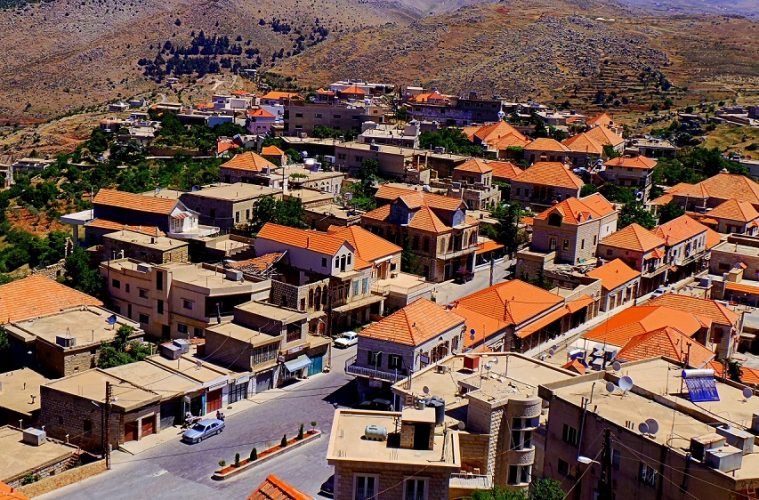
Hasbaya is one of Lebanon’s most historic and picturesque towns, located in the southeastern part of the country at the foot of the majestic Mount Hermon range. Surrounded by fertile valleys, olive groves, vineyards, and dramatic mountain landscapes, Hasbaya is renowned for its rich history, medieval architecture, cultural heritage, and breathtaking natural scenery.
The town occupies a strategic position overlooking the Hasbani River Valley and has served as an important center of commerce, agriculture, and governance for centuries. Throughout its long history, Hasbaya was influenced by Phoenician, Roman, Byzantine, Arab, Crusader, Ottoman, and modern Lebanese civilizations. These influences are reflected in the town’s architecture, traditions, and historical landmarks.
Hasbaya is especially famous for its magnificent fortress-palace, traditional stone houses, ancient religious sites, and proximity to some of Lebanon’s most beautiful natural attractions. Visitors can explore castles, markets, rivers, mountain trails, and cultural monuments while experiencing the authentic charm of one of southern Lebanon’s oldest towns.
The following attractions represent the best places to visit in Hasbaya.
1. Hasbaya Citadel

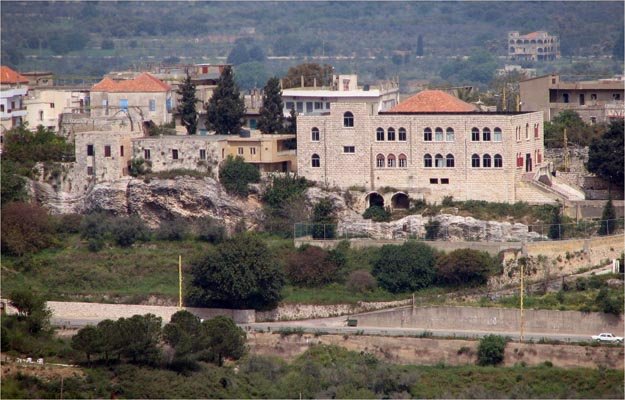
The Hasbaya Citadel is the town’s most famous landmark and one of the largest and best-preserved fortresses in Lebanon. Dominating the town skyline, the citadel combines elements of a medieval fortress, palace, and residential complex.
Visitors can admire massive stone walls, elegant courtyards, towers, arches, and historic chambers while learning about centuries of political and military history. The structure offers spectacular views of the surrounding mountains and valleys.
History
The origins of the citadel date back to the Crusader period, although parts of the site may be even older. During the fifteenth century, the fortress became the residence of the influential Shihab family, who transformed it into a magnificent palace while maintaining its defensive features. For centuries, the citadel served as the administrative and political center of the region.
2. Hasbani River

The Hasbani River is one of Lebanon’s most important waterways and a major natural attraction near Hasbaya. Flowing through fertile valleys and lush landscapes, the river creates a peaceful environment ideal for relaxation, photography, and outdoor recreation.
Visitors can enjoy riverside walks, picnics, and scenic views while exploring the beautiful countryside surrounding the town.
History
The river has supported agriculture and human settlement for thousands of years. Ancient communities relied on its waters for irrigation, farming, and trade, contributing to the prosperity of the region.
3. Hasbaya Old Souk

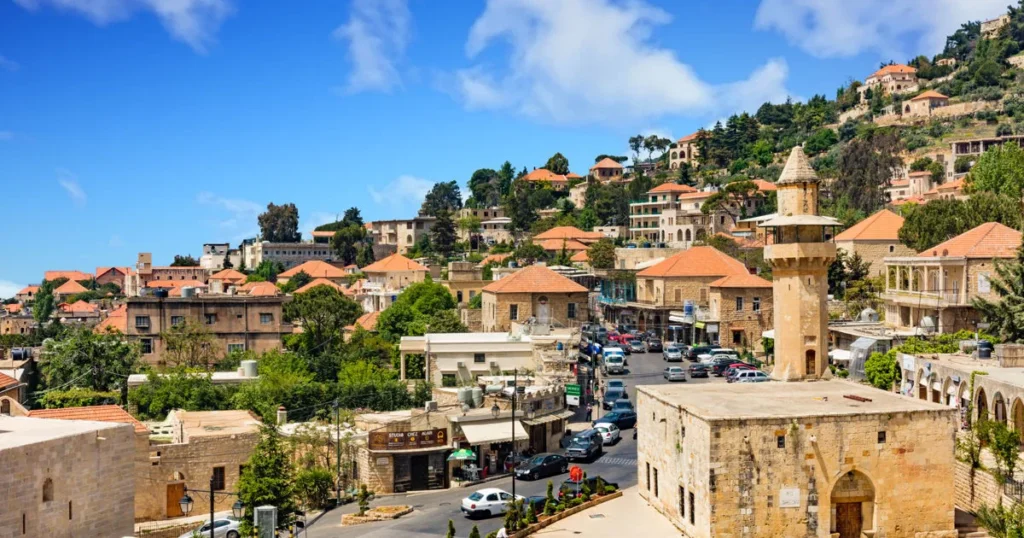
The Old Souk of Hasbaya is a charming district filled with traditional shops, stone buildings, local cafés, and artisan workshops. Walking through the market provides visitors with an authentic glimpse into daily life and cultural traditions.
The atmosphere of the souk reflects centuries of commerce and community interaction that continue to define the town today.
History
The market developed as a regional trading center serving farmers, merchants, and travelers from surrounding villages and mountain communities.
4. Mount Hermon Viewpoints

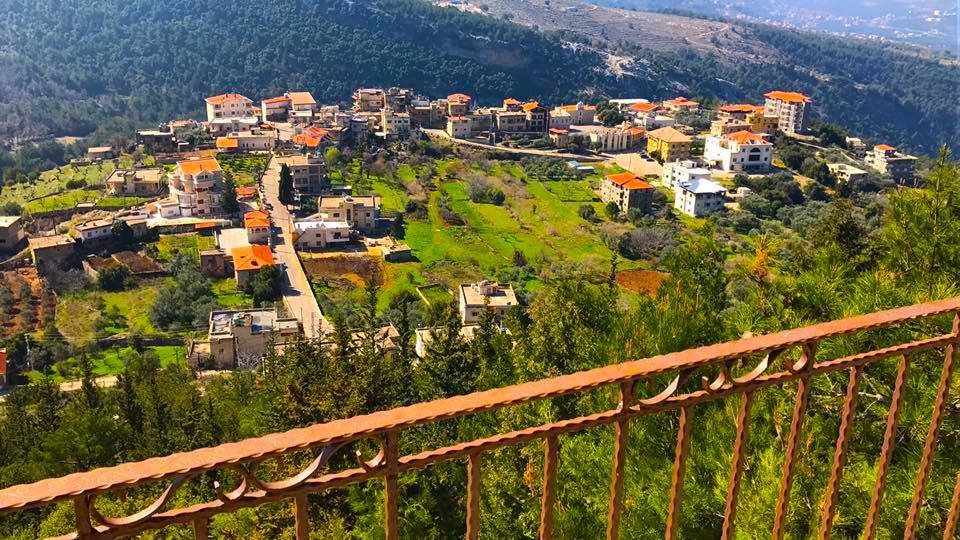
The elevated location of Hasbaya provides spectacular views of Mount Hermon, the highest mountain in the region. Visitors can enjoy panoramic landscapes featuring snow-capped peaks, valleys, forests, and agricultural lands.
The viewpoints are particularly popular among photographers and nature enthusiasts.
History
Mount Hermon has held strategic, cultural, and religious significance throughout history and appears in numerous historical and religious traditions.
5. Saint George Church
Saint George Church is one of the most important religious monuments in Hasbaya. The church reflects the town’s diverse cultural heritage and offers visitors an opportunity to appreciate traditional religious architecture.
Its peaceful setting and historical significance make it a rewarding destination for travelers interested in heritage tourism.
History
The church has served local Christian communities for generations and remains an important symbol of religious and cultural continuity.
6. Traditional Stone Houses of Hasbaya

The historic residential quarters of Hasbaya feature beautifully preserved stone houses, courtyards, balconies, and architectural details that showcase traditional Lebanese craftsmanship.
Visitors can wander through these neighborhoods while admiring the town’s distinctive architectural character.
History
Many of these houses were built during the Ottoman period and reflect the prosperity and cultural sophistication of Hasbaya’s residents.
7. Hasbaya Olive Groves

The countryside surrounding Hasbaya is famous for its extensive olive groves. These landscapes create beautiful scenery while supporting an agricultural tradition that has existed for centuries.
Visitors can explore rural areas and learn about olive cultivation, olive oil production, and local farming practices.
History
Olive farming has been central to the region’s economy since ancient times and remains one of the most important agricultural activities in southern Lebanon.
8. Wazzani Springs
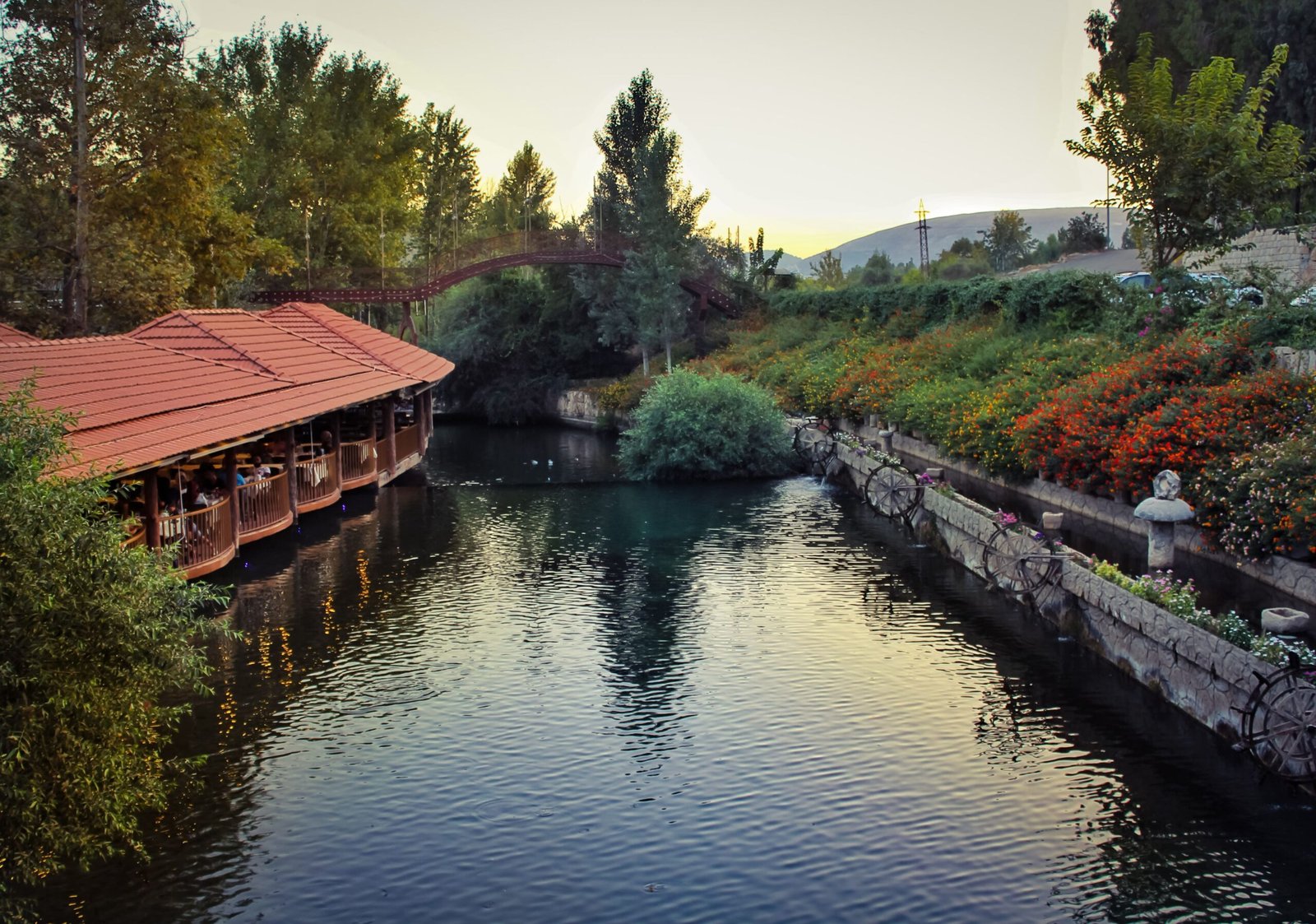
Located near Hasbaya, the Wazzani Springs are among the most beautiful natural attractions in southern Lebanon. Crystal-clear waters emerge from underground sources, creating a refreshing environment surrounded by greenery and scenic landscapes.
Visitors often enjoy relaxing by the water while appreciating the tranquility of the area.
History
The springs have supplied water to local communities for centuries and remain an important natural resource for the region.
9. Hasbaya Cultural Heritage Center

The Cultural Heritage Center preserves and promotes the history, traditions, and customs of Hasbaya and the surrounding region.
Visitors can explore exhibits featuring historical artifacts, traditional crafts, photographs, and educational displays that highlight the town’s rich cultural legacy.
History
The center was established to safeguard local heritage and provide educational opportunities for future generations.
10. Hasbaya Mountain Trails

The mountains surrounding Hasbaya offer excellent opportunities for hiking, nature walks, and outdoor exploration. Trails pass through forests, valleys, agricultural terraces, and scenic viewpoints.
Visitors can experience the natural beauty of southeastern Lebanon while enjoying fresh mountain air and spectacular landscapes.
History
Many of these routes were historically used by farmers, shepherds, traders, and travelers moving between mountain villages and regional markets.
History of Hasbaya
The history of Hasbaya extends back thousands of years, making it one of the oldest continuously inhabited settlements in southern Lebanon. Its strategic location near important trade routes and water sources contributed to its growth as a regional center of commerce and agriculture.
During the Roman and Byzantine periods, the area prospered through farming and trade. Christianity spread throughout the region, leading to the construction of churches and religious institutions that shaped local culture.
The medieval period brought significant political and military importance to Hasbaya. The construction and expansion of the Hasbaya Citadel transformed the town into a center of regional governance. Under the Shihab family, the fortress became one of the most influential political residences in Lebanon.
Throughout Ottoman rule and the modern era, Hasbaya maintained its importance as a cultural, agricultural, and administrative center. The town successfully preserved its historical character while adapting to changing economic and social conditions.
Today, Hasbaya remains one of Lebanon’s most fascinating historical destinations, offering visitors a unique combination of heritage, architecture, and natural beauty.
Related artical : Best place to visit in Amioun