
Now Reading: Best place to visit in Rashaya
-
01
Best place to visit in Rashaya
Best place to visit in Rashaya
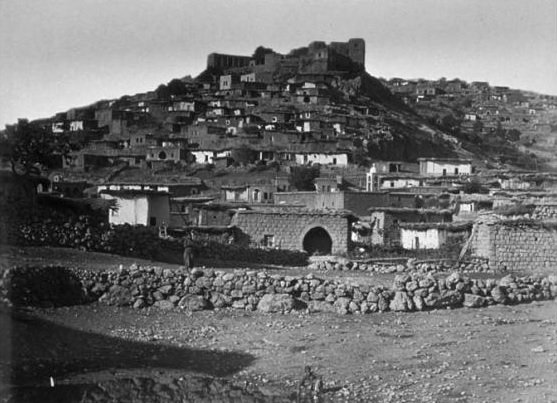
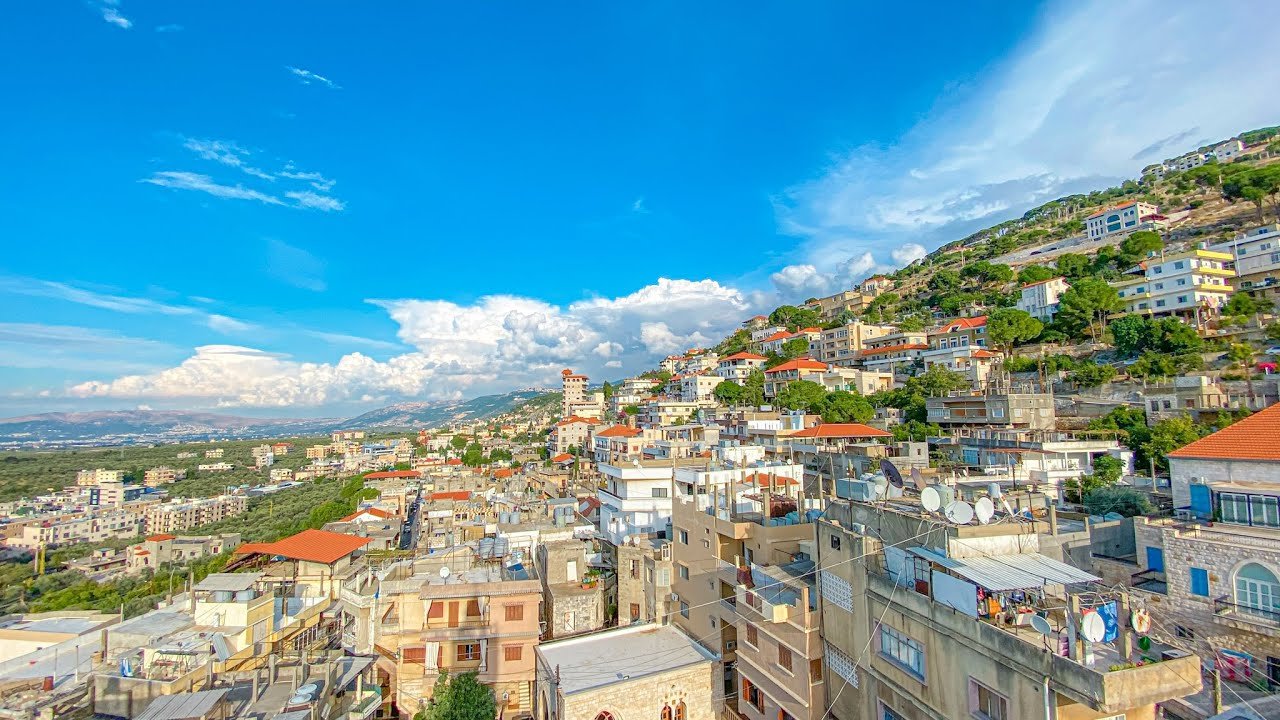
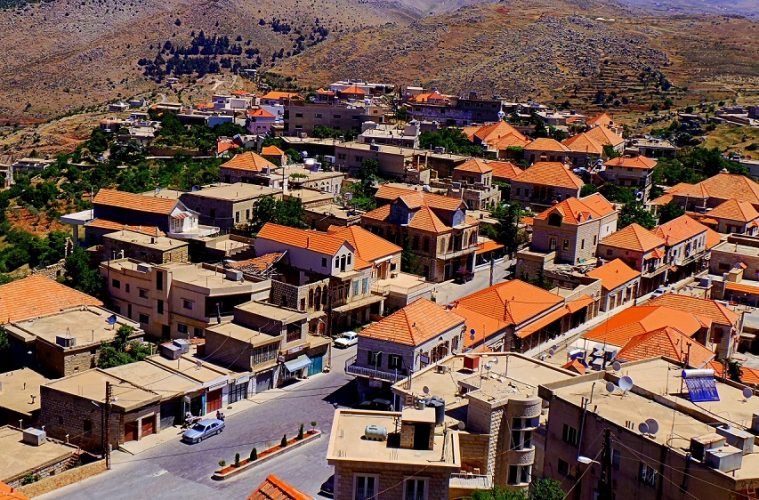
Rashaya, often called Rashaya Al-Wadi, is one of Lebanon’s most historic mountain towns, located on the western slopes of Mount Hermon in the southeastern part of the country. Surrounded by dramatic mountain landscapes, fertile valleys, vineyards, and traditional villages, Rashaya is renowned for its rich history, cultural heritage, Ottoman-era architecture, and strategic importance throughout the centuries.
Situated at an elevation of approximately 1,200 meters above sea level, Rashaya enjoys a pleasant climate and spectacular panoramic views of the surrounding countryside. The town has served as an important administrative, military, and commercial center since ancient times, attracting various civilizations including the Phoenicians, Romans, Byzantines, Arabs, Mamluks, Ottomans, and modern Lebanese communities.
Today, Rashaya offers visitors an extraordinary combination of historical landmarks, mountain scenery, traditional culture, and outdoor adventure opportunities. From its famous citadel and historic old town to nearby forests and valleys, Rashaya remains one of Lebanon’s most fascinating yet lesser-known destinations.
The following attractions represent the best places to visit in Rashaya.
1. Rashaya Citadel

The Rashaya Citadel is the town’s most famous landmark and one of Lebanon’s most important historical monuments. Dominating the skyline from its elevated position, the fortress offers spectacular views of Mount Hermon, surrounding valleys, and nearby villages.
Visitors can admire massive stone walls, defensive towers, courtyards, and architectural features that reflect centuries of military and political history. The citadel remains one of the best-preserved fortresses in southeastern Lebanon.
History
The fortress dates back to ancient times but was expanded and strengthened during various historical periods, including the Crusader and Ottoman eras. It became particularly significant during Lebanon’s struggle for independence in the twentieth century, when national leaders were imprisoned within its walls by French authorities. Today, the citadel stands as a symbol of Lebanese resilience and independence.
2. Rashaya Old Town

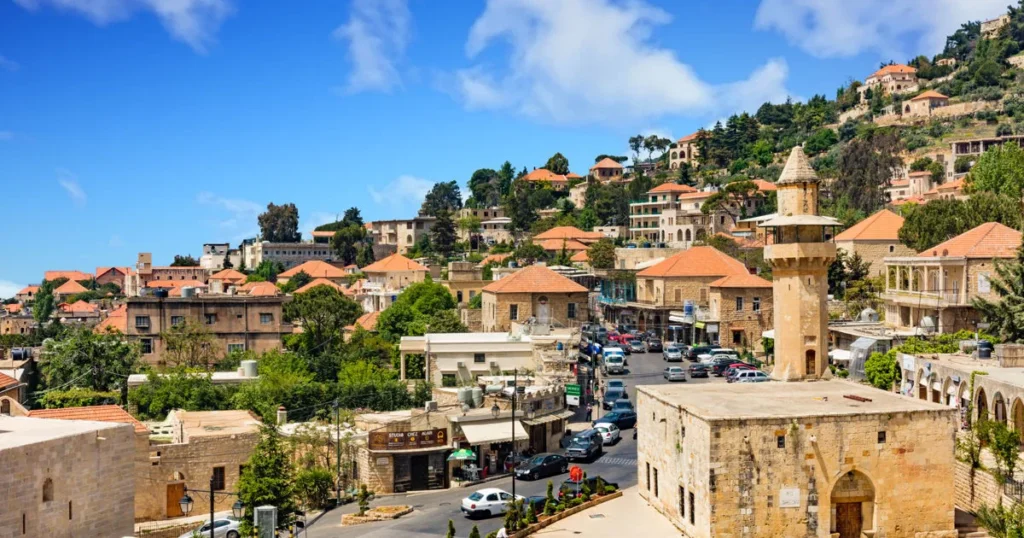
The Old Town of Rashaya is filled with traditional stone houses, narrow alleys, historic buildings, and charming public squares. Walking through the town provides visitors with a glimpse into centuries of architectural and cultural heritage.
Many homes feature red-tiled roofs, arched windows, and decorative stonework that showcase the craftsmanship of earlier generations.
History
The town developed gradually as a commercial and administrative center serving surrounding mountain communities. Many structures visible today date back to the Ottoman period and reflect Rashaya’s historical prosperity.
3. Mount Hermon Viewpoints

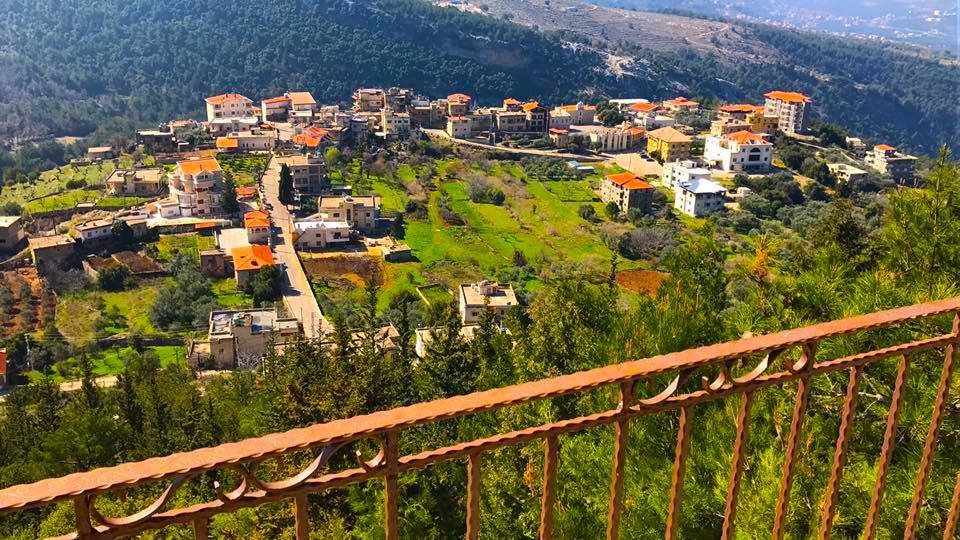
Rashaya offers some of the finest views of Mount Hermon, one of the most iconic mountains in the Middle East. Observation points around the town provide breathtaking panoramas of snow-capped peaks, valleys, forests, and agricultural lands.
These locations are particularly popular among photographers and nature enthusiasts.
History
Mount Hermon has held religious, cultural, and strategic significance throughout history and appears in numerous ancient traditions and historical records.
4. Independence Memorial Sites

Several locations in Rashaya commemorate the events surrounding Lebanon’s independence. Visitors can learn about the important role the town played during the nation’s struggle for sovereignty.
These memorials provide valuable insight into modern Lebanese history and national identity.
History
In 1943, several Lebanese leaders were detained in Rashaya Citadel by French authorities. Their imprisonment became a pivotal moment in Lebanon’s path toward independence, making Rashaya an important symbol of national freedom.
5. Rashaya Traditional Market

The traditional market area offers visitors an authentic cultural experience with local shops, artisan workshops, cafés, and family-owned businesses.
Visitors can purchase handmade products, traditional crafts, and regional specialties while experiencing the warm hospitality of the local community.
History
The market has served surrounding villages for centuries and remains an important center of commerce and social interaction.
6. Rashaya Vineyards and Orchards

The fertile lands surrounding Rashaya support vineyards, fruit orchards, olive groves, and agricultural terraces that create beautiful landscapes throughout the year.
Visitors can explore the countryside while learning about traditional farming practices that have shaped the local economy for generations.
History
Agriculture has sustained communities in the region since ancient times due to favorable climate conditions and fertile mountain soils.
7. Kfar Qouq Archaeological Area
Located near Rashaya, Kfar Qouq contains archaeological remains that offer insight into the ancient civilizations that once inhabited the region.
Visitors interested in archaeology can explore ruins and learn about the historical significance of southeastern Lebanon.
History
The area contains remains from Roman and Byzantine periods, reflecting the long history of settlement and cultural development in the region.
8. Rashaya Forest Trails

The forests and mountains around Rashaya offer excellent opportunities for hiking, nature walks, and wildlife observation.
Visitors can enjoy fresh mountain air, scenic landscapes, and peaceful surroundings while exploring the natural beauty of the area.
History
Many trails originated as routes used by shepherds, farmers, and traders traveling between mountain villages and agricultural lands.
9. Traditional Stone Houses of Rashaya
The traditional houses of Rashaya represent some of the finest examples of mountain architecture in Lebanon. Constructed using local stone and traditional building techniques, these homes contribute significantly to the town’s historic character.
Visitors can admire the craftsmanship and architectural beauty preserved throughout the community.
History
Many houses date back to the nineteenth century and reflect the wealth and cultural sophistication of the region during the Ottoman era.
10. Mount Hermon Hiking Routes

The mountain routes surrounding Rashaya provide exceptional opportunities for outdoor adventure. Trails lead through forests, valleys, rocky landscapes, and panoramic viewpoints that showcase the natural beauty of southeastern Lebanon.
Visitors can experience some of the country’s most impressive mountain scenery while exploring the region.
History
These routes have connected communities for centuries and played an important role in trade, agriculture, and communication throughout the Mount Hermon region.
History of Rashaya
The history of Rashaya extends back thousands of years, with evidence of settlement dating to ancient civilizations that inhabited the fertile valleys surrounding Mount Hermon. The town’s strategic location made it an important center of trade and administration throughout different historical periods.
During Roman and Byzantine times, the region prospered through agriculture and commerce. The medieval period brought increased military importance, leading to the construction and expansion of fortifications that protected local communities and trade routes.
Under Ottoman rule, Rashaya developed into a thriving mountain town known for its markets, agricultural production, and political significance. The town gained national prominence during Lebanon’s struggle for independence in 1943 when leading political figures were imprisoned within Rashaya Citadel.
Today, Rashaya remains a symbol of Lebanese heritage and resilience. Its well-preserved architecture, historic landmarks, and stunning natural landscapes continue to attract visitors interested in history, culture, and mountain tourism.
Related artical : Best place to visit in Hasbaya